
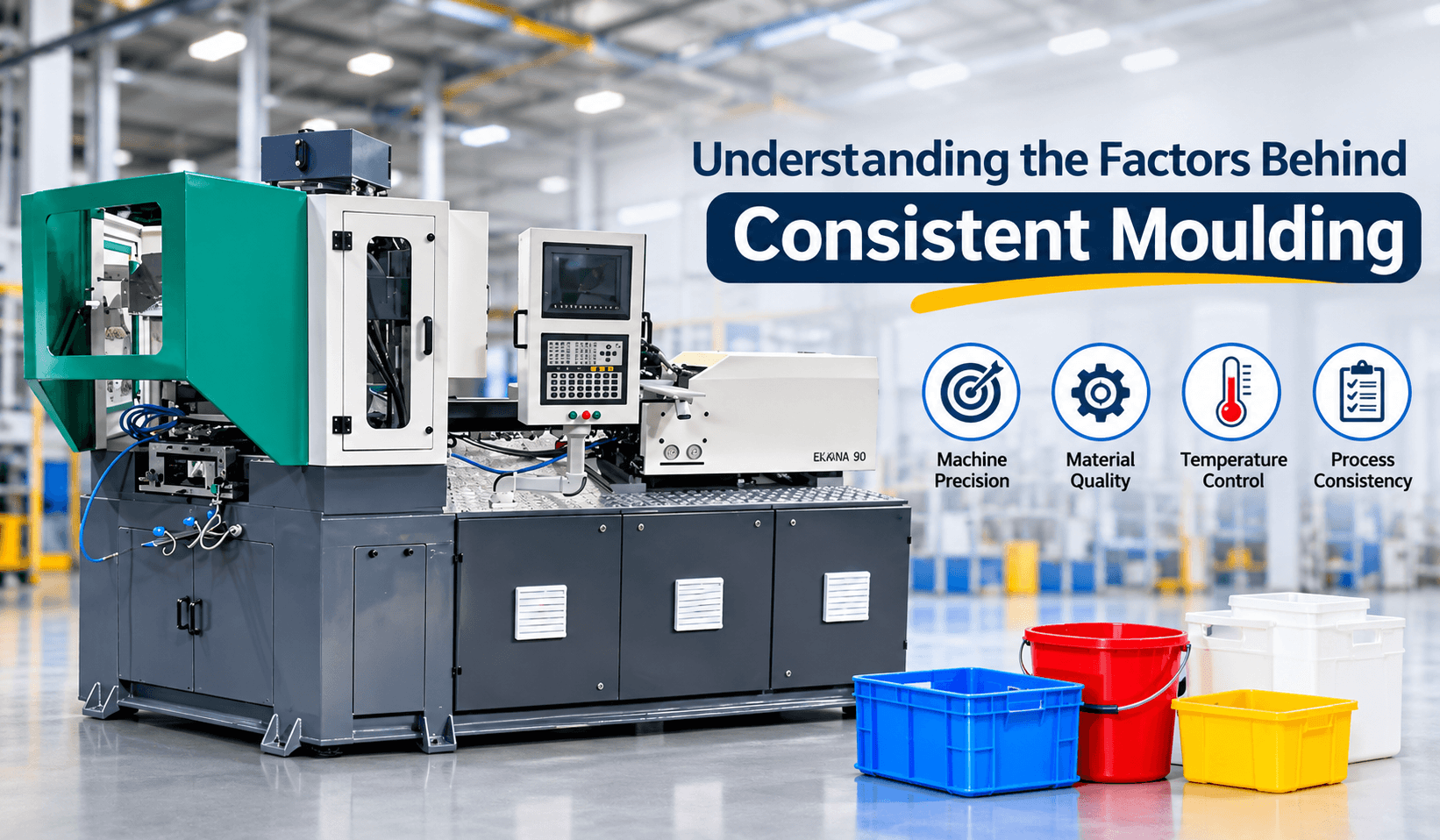
Injection moulding involves several stages working in sequence. Plastic granules are heated and plasticised inside a barrel, then injected into a closed mould under pressure. After cooling, the mould opens and the finished component is ejected. Variations in any stage can affect dimensions, surface finish, weight and cycle time.
Machine selection should therefore begin with the product rather than a catalogue specification. Consider the component’s size, wall thickness, material, geometry and expected production volume. These details influence the required injection capacity, clamping force, mould space and cooling arrangements. When evaluating plastic injection moulding machine manufacturers in India, businesses should prioritise machines that match their product requirements and production goals while ensuring consistent quality and efficient manufacturing.
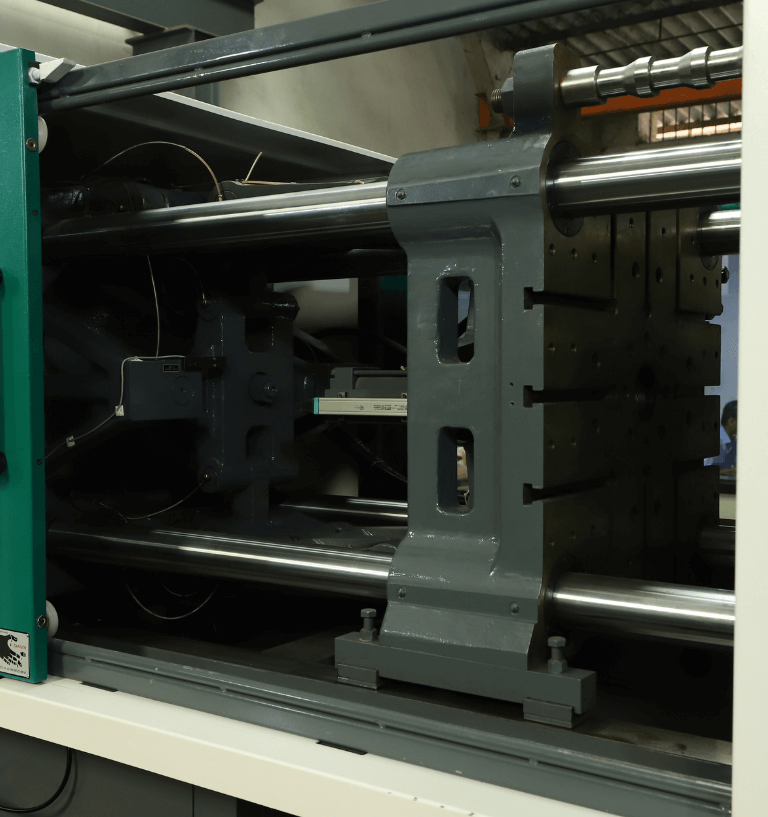
Clamping stability is particularly important. The mould must remain securely closed during injection to prevent flash and dimensional inconsistencies. A suitable clamping mechanism should distribute force appropriately while supporting repeatable opening and closing movements.
Comparing Different Machine Configurations
Manufacturers evaluating top injection moulding machine manufacturers in india should look beyond broad product categories and examine how each configuration addresses their production requirements. A toggle-type machine and a two-platen machine, for example, have different structural arrangements and may suit different mould sizes and factory layouts.
Esemplast Avinya’s product range includes the Amara toggle-type series, the Dyota two-platen series and the Ekaiva injection blow moulding series. These serve different processing needs, so buyers should compare machines within the relevant application category.
| Configuration | Key characteristic | Typical consideration |
| Toggle-type | Mechanical toggle clamping arrangement | Cycle requirements and clamping performance |
| Two-platen | Two main platens for mould clamping | Larger moulds and available floor space |
| Injection blow moulding | Forms hollow products through a blowing stage | Product geometry and compatible thermoplastics |
The intended output matters as much as the machine category. A factory producing compact, high-volume components may prioritise cycle consistency and quick changeovers. A manufacturer handling larger parts may place greater emphasis on mould dimensions, platen support and machine accessibility.
Why Mechanical Design Influences Production Quality
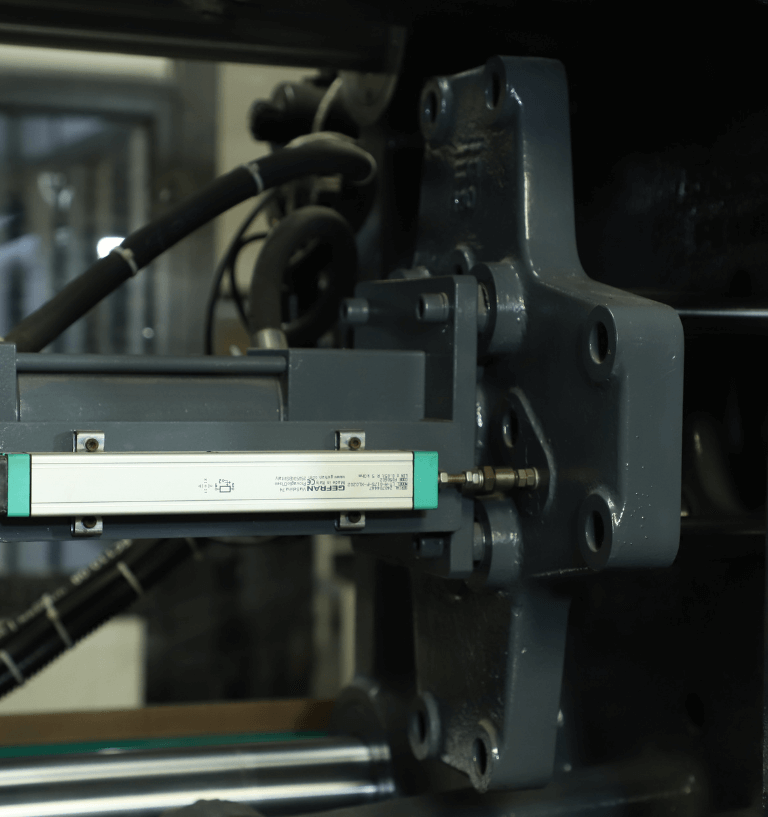
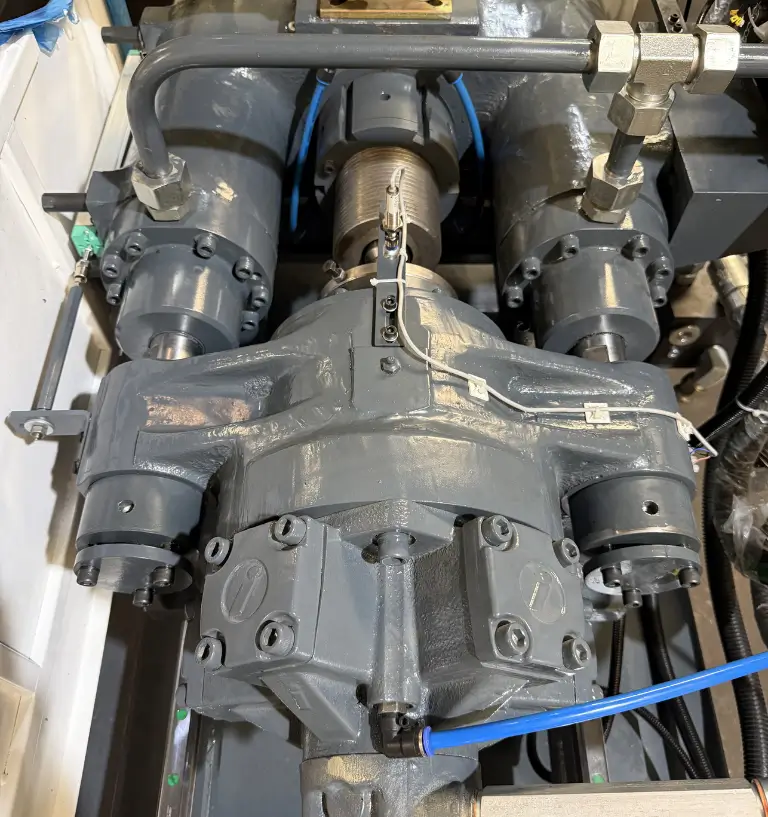
A machine’s performance depends on the interaction between its injection unit, clamping system, guideways, drive and control components. Strong individual parts are useful, but their alignment and coordination determine how consistently the equipment operates.
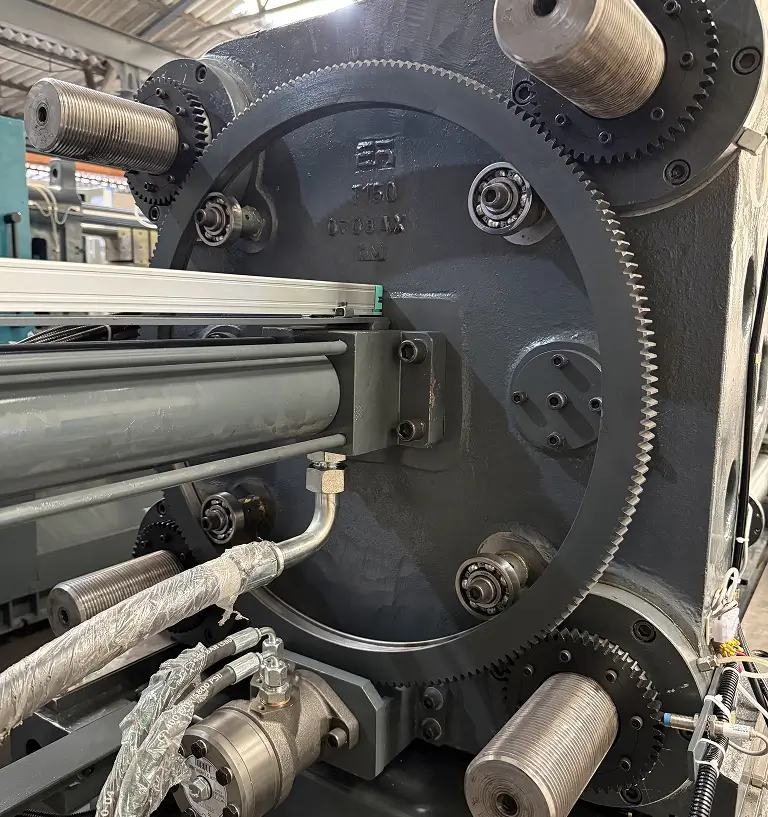
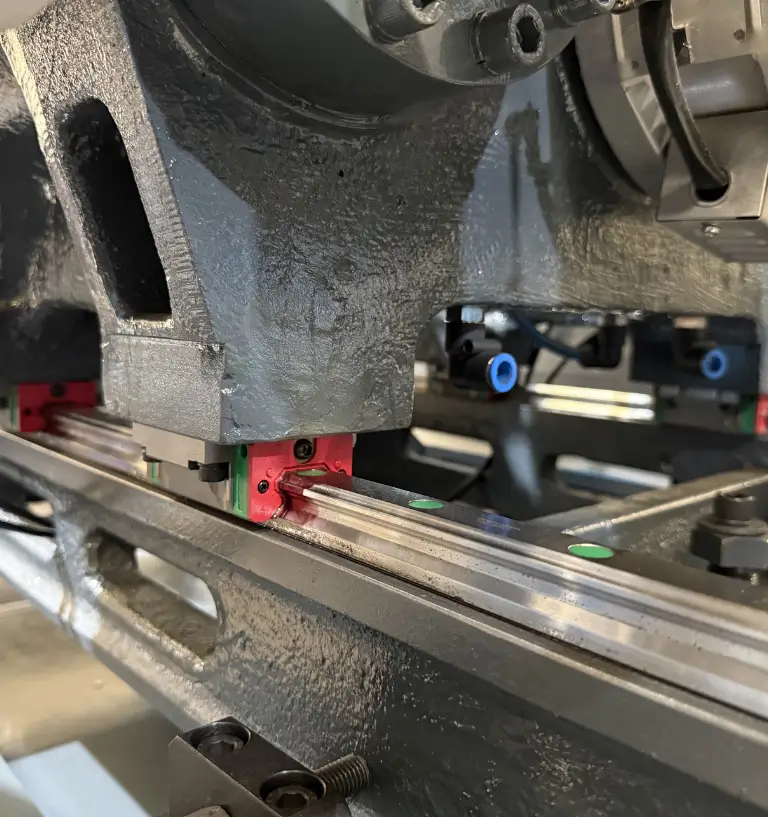
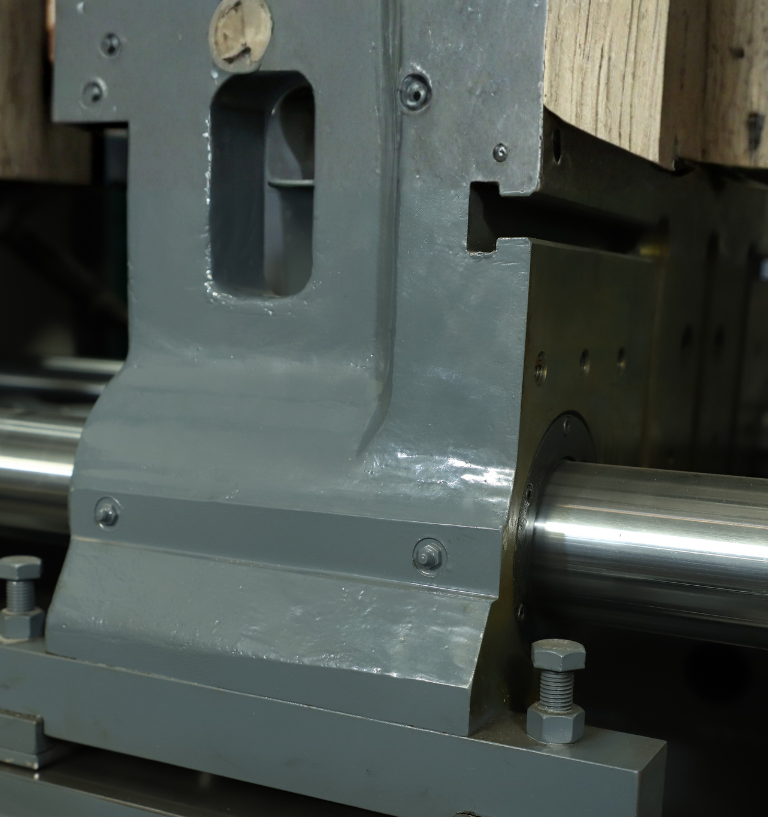
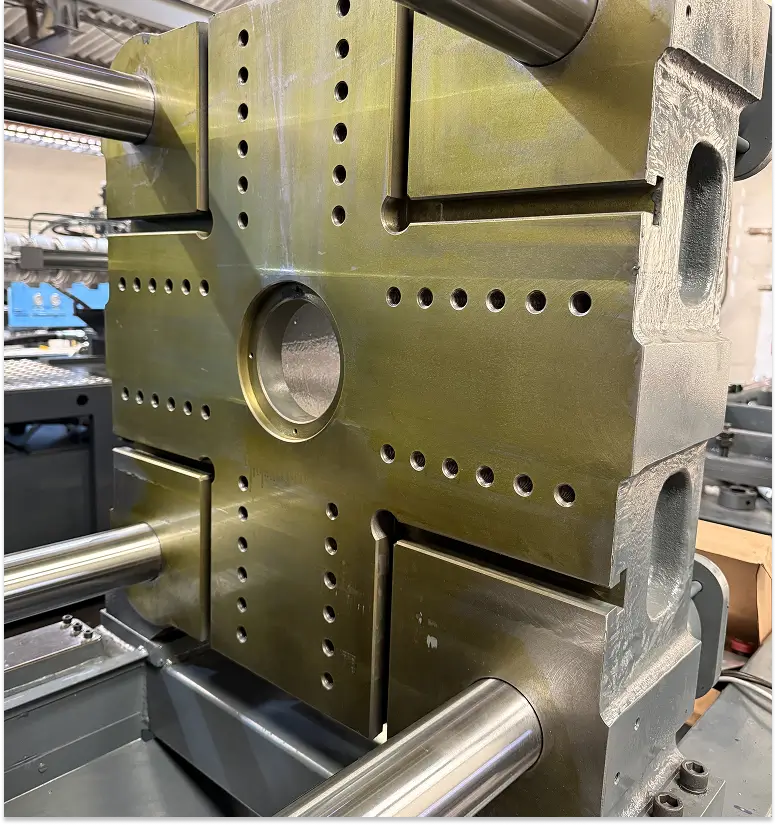
Linear guideways, for instance, support controlled movement and alignment. The design of the platen support influences deflection under load, while the tie bars contribute to the structural stability of the clamping unit. These elements deserve attention when assessing equipment intended for sustained production.
Other features can affect operating efficiency:
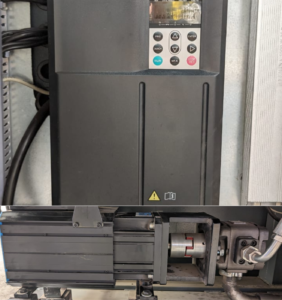
- Servo motor and drive systems can regulate hydraulic response and help reduce energy consumption, depending on the application and operating conditions.
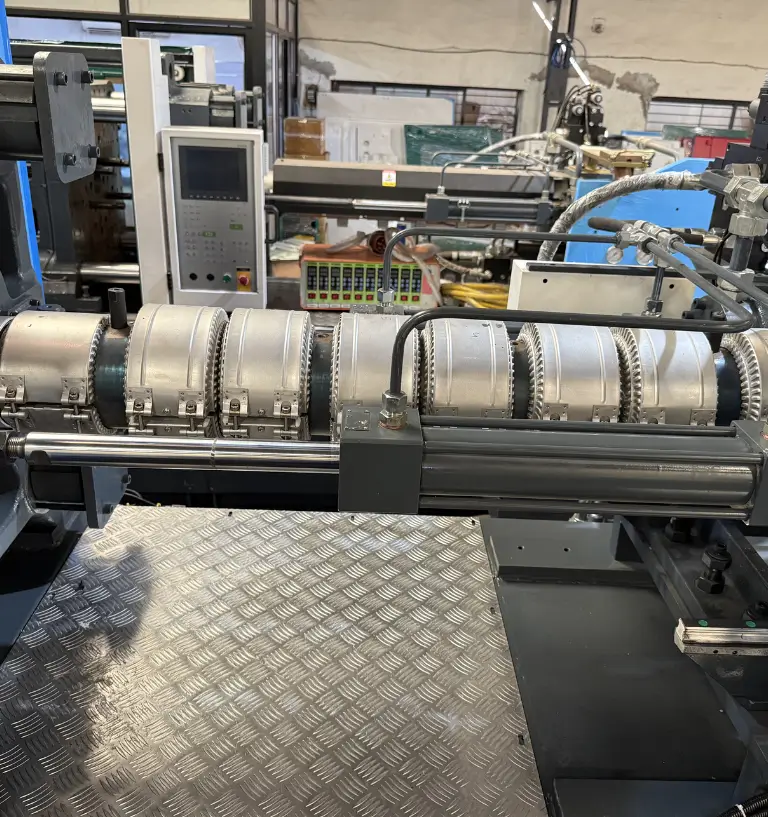
- Temperature-zone controls help maintain suitable heating conditions along the barrel.
- Multi-stage ejection can support controlled part removal, particularly where component geometry requires a specific ejection sequence.
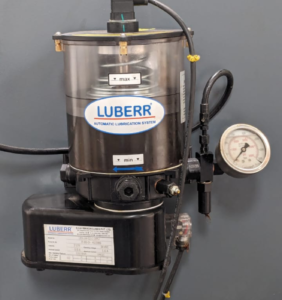
- Automatic lubrication helps deliver lubricant to designated moving parts at controlled intervals.
These features should be assessed in relation to the product being manufactured. More functions do not automatically mean better performance if they do not address a real production requirement.
What to Assess When Evaluating Equipment Suppliers
Comparing plastic injection moulding machine manufacturers requires attention to engineering capability as well as the machine specification. Buyers should understand how the equipment is built, what components are used and what support is available after installation.
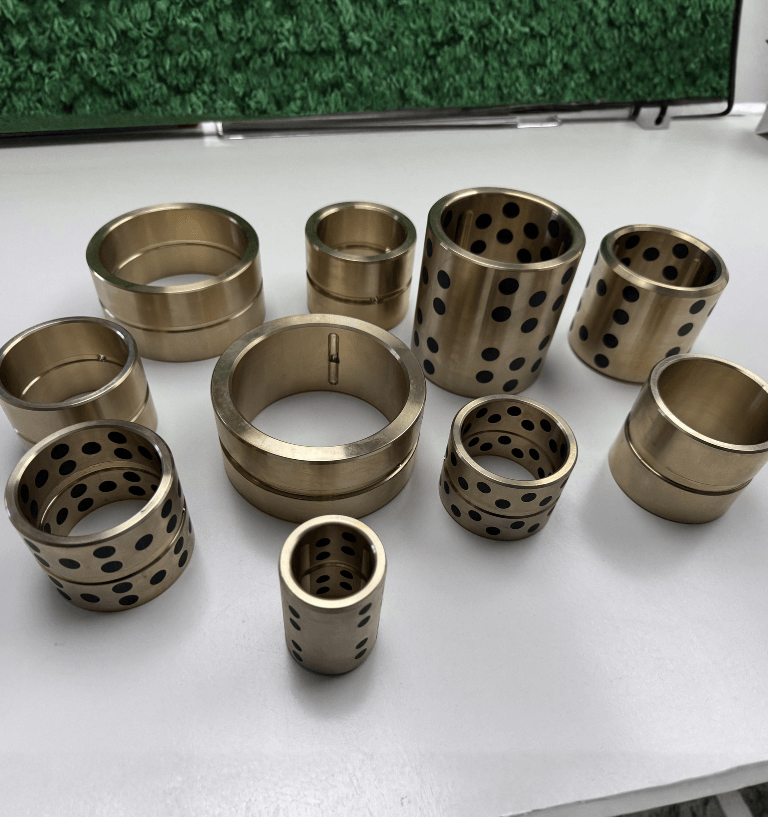
Esemplast Avinya describes an approach that includes in-house manufacturing of mechanical components such as castings, machine parts and mainframes. Its stated design features also include high-strength alloy-steel tie bars, bronze bushes and graphite-impregnated oil-less bushes. Such details can help buyers frame more useful technical questions during supplier discussions.
Before making a decision, request information on:
- Machine dimensions, clamping force and injection capacity.
- Compatible mould sizes and material requirements.
- Power consumption under representative operating conditions.
- Installation, commissioning and operator training.
- Availability of spare parts and service support.
- Warranty terms and recommended maintenance schedules.
Where possible, discuss a representative production application with the supplier. Sharing a sample component, material specification and target output can make technical evaluation more meaningful than relying on general claims.
Planning for Productivity Beyond Installation
The purchase decision should account for the conditions in which the machine will operate. Factory layout, electrical supply, cooling water, material storage and operator skill all influence how smoothly production begins. Insufficient planning can delay commissioning even when the selected equipment is technically suitable.
It is also useful to estimate the total cost of ownership. Electricity, maintenance, consumables, rejected components and unplanned downtime can affect operating costs over the machine’s service life. A lower initial price may not represent better value if the equipment is poorly matched to the production process.
Establishing standard settings during commissioning can support repeatability. Record suitable temperatures, injection parameters, cooling times and cycle settings for each mould and material combination. These records help operators investigate defects and reproduce successful production conditions.
FAQs
How do I select the right machine capacity?
Start with component weight, projected shot size, mould dimensions and required clamping force. A technical assessment should confirm that the machine can handle the complete moulding requirement.
What is the difference between toggle and two-platen machines?
They use different clamping arrangements. Toggle systems use a mechanical linkage, while two-platen designs use two principal platens. The suitable option depends on mould size, production needs and factory layout.
Why is a servo drive considered in machine selection?
A servo system can adjust motor output according to demand, potentially reducing energy use and improving hydraulic response. Actual savings depend on the machine, process and operating pattern.
Can one machine process different plastic materials?
Many machines can process multiple compatible thermoplastics, but material requirements differ. Processing temperature, viscosity, screw design and other settings should be checked before changing materials.
Conclusion
Choosing equipment is ultimately about matching mechanical capability, process requirements and long-term operating needs. A careful evaluation of clamping design, injection performance, controls, energy use and after-sales support helps manufacturers avoid costly mismatches. Selecting a suitable plastic injection moulding machine begins with a clear understanding of the product and the production conditions it must meet.
No comment