
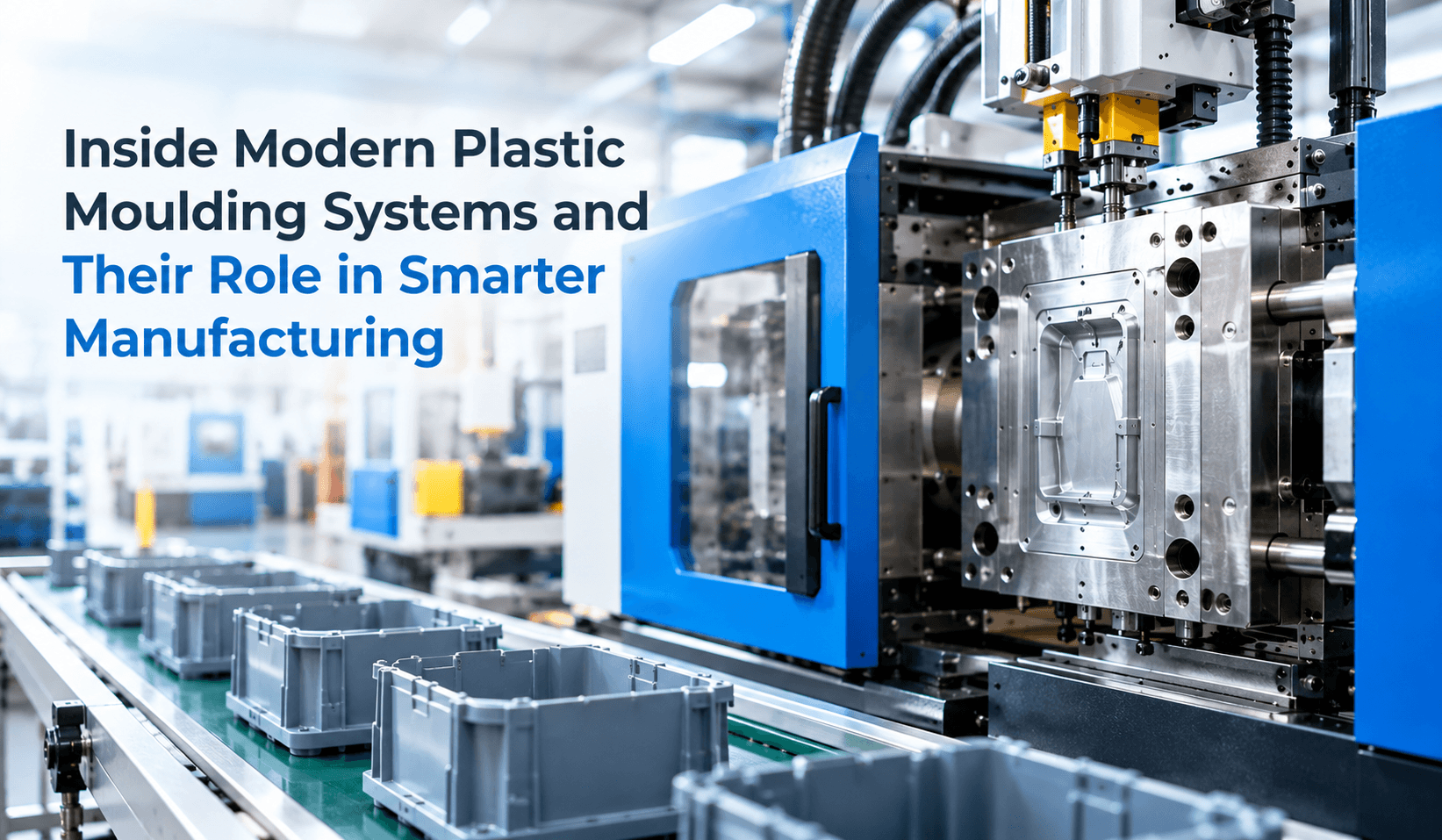
Selecting production equipment is a significant investment for plastic manufacturers because the right machine can influence productivity, consistency, energy use, and operating costs for years. Buyers comparing injection moulding machine manufacturers in ahmedabad often need to look beyond basic specifications and understand how machine configuration aligns with their actual production requirements. Esemplast Avinya provides injection moulding solutions for manufacturers evaluating equipment according to application, capacity, and operational needs.
Evaluating Injection Moulding Machine Requirements
The first step is to understand the products that will be manufactured. Component size, material, mould dimensions, production volume, and required cycle time all influence machine selection. A machine designed for small, lightweight components may not be suitable for larger structural parts, even if its general operating principle is similar.
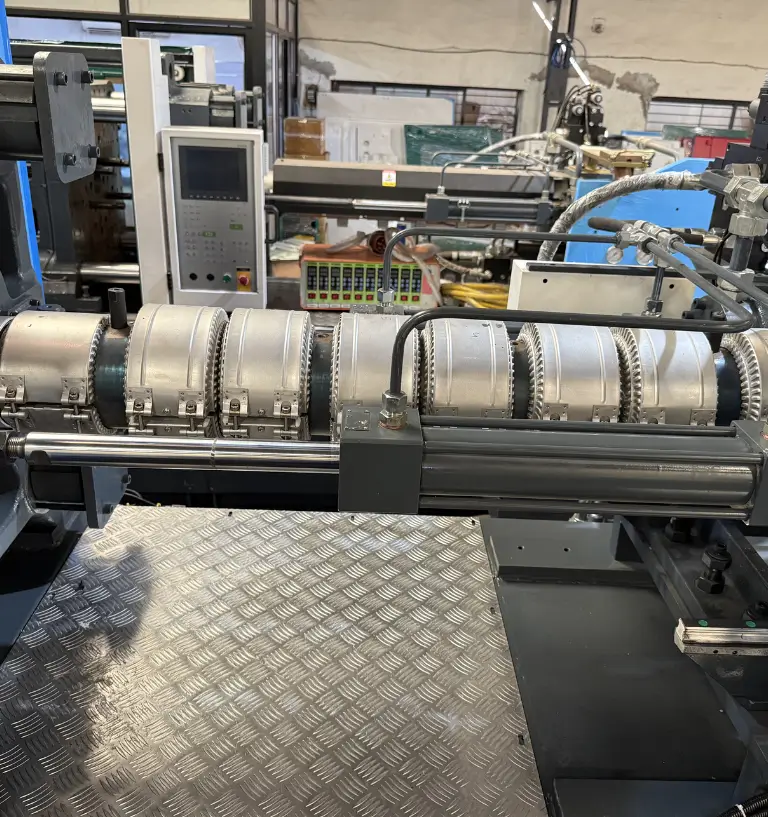
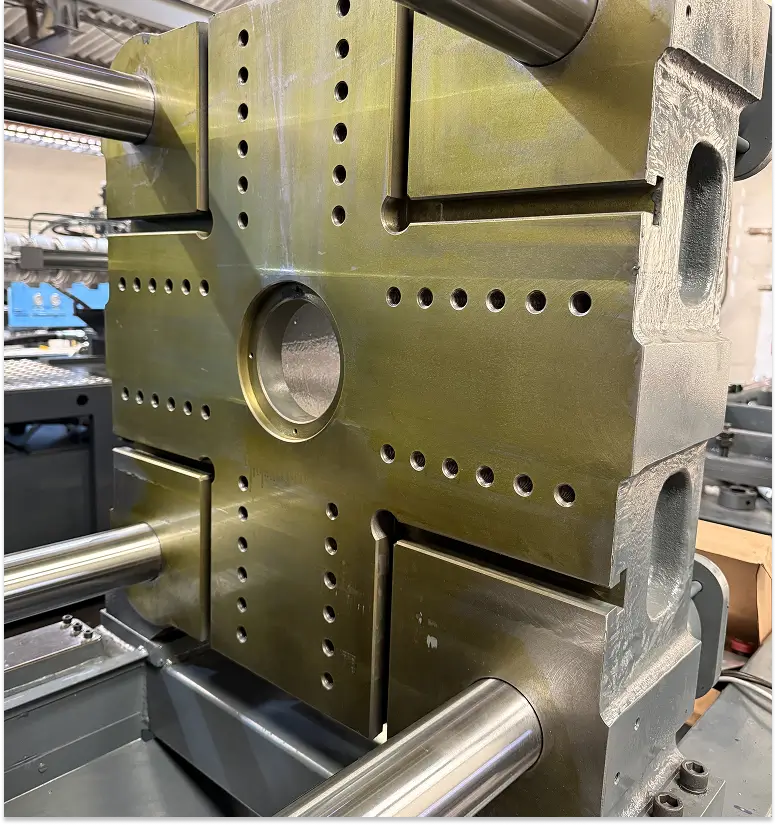
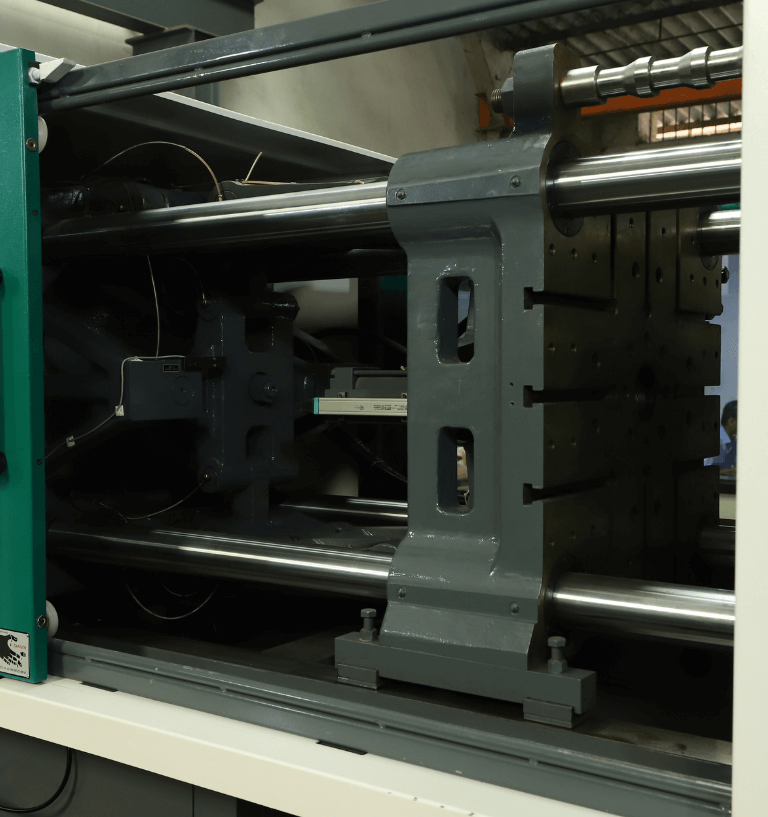
Clamping force is particularly important because the machine must maintain sufficient pressure to keep the mould closed during injection. Injection capacity, screw diameter, platen dimensions, tie-bar spacing, and maximum mould height should also be assessed.
Other considerations include:
- Expected production volume
- Type and grade of thermoplastic
- Required shot weight
- Desired cycle time
- Automation requirements
- Available factory space and utilities
Defining these parameters before comparing models helps prevent over-specification and ensures the selected equipment matches practical production conditions.
Understanding What Makes a Machine Suitable
Searching for the best injection moulding machine in india can produce many results, but there is no universal machine that is ideal for every manufacturer. Suitability depends on the intended application and the balance between performance, flexibility, maintenance, and cost.
A useful comparison should consider both technical specifications and operating conditions.
| Factor | What to assess | Potential impact |
| Clamping force | Required force for the mould and material | Moulding stability |
| Injection unit | Shot size and material compatibility | Product consistency |
| Cycle time | Target production rate | Overall productivity |
| Control system | Monitoring and adjustment capabilities | Process repeatability |
| Energy use | Drive and heating requirements | Operating expenditure |
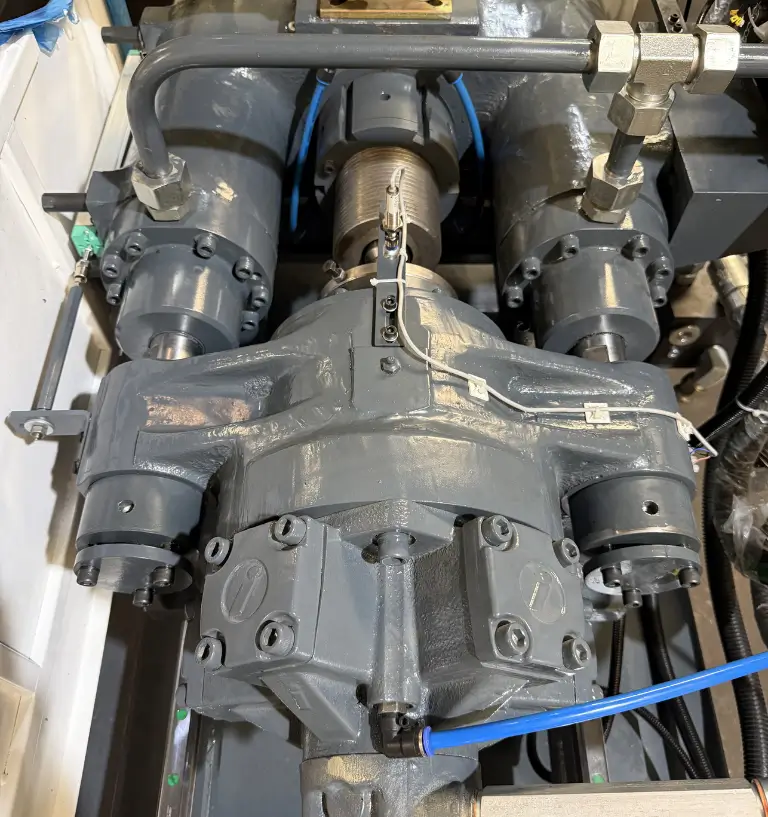
| Maintenance | Access to critical components | Downtime and servicing |
Supplier support should also be considered. Clear technical documentation, installation guidance, spare-part availability, and service arrangements can become important throughout the equipment’s operating life.
Matching Equipment With Product Demands
Different plastic products place different demands on machinery. Thin-walled packaging may require fast injection and accurate process control, while automotive or industrial components may require greater clamping capacity and precise mould handling.
Material selection also affects machine configuration. Different polymers can have different melting temperatures, flow characteristics, drying requirements, and processing sensitivities. Equipment should therefore be evaluated alongside the intended resin rather than independently.
For manufacturers producing several product types, flexibility can be valuable. A machine capable of accommodating a reasonable range of moulds and materials may reduce the need for separate equipment as production requirements change.
Comparing Injection Moulding Manufacturers
When evaluating injection moulding machine manufacturers, buyers should examine how well each supplier understands the complete production process. A machine may have attractive specifications, but its suitability ultimately depends on how those specifications translate into real operating conditions.
Important questions to consider include:
- Does the machine accommodate the intended mould dimensions?
- Is the injection unit appropriate for the materials being processed?
- Can operators adjust important process parameters efficiently?
- Are maintenance points reasonably accessible?
- What technical assistance is available after installation?
It is also useful to assess whether the supplier can provide a configuration that reflects the manufacturer’s actual requirements instead of simply offering a standard machine.
Looking Beyond the Initial Purchase Price
The purchase price is only one part of the total cost of ownership. Electricity consumption, routine maintenance, component replacement, downtime, operator training, and future upgrades can all influence the long-term economics of equipment.
Manufacturers should estimate operating costs over a realistic period and compare machines using consistent criteria. Energy efficiency may be particularly important for facilities running multiple shifts, while easy maintenance can reduce service-related interruptions.
Future production plans also deserve attention. If output is expected to increase or product designs are likely to change, choosing equipment with appropriate capacity and flexibility can prevent an expensive replacement sooner than expected.
FAQs
How do I determine the required clamping force?
It depends on factors including projected mould cavity pressure, projected area, material, and mould design. The moulding application should be evaluated before selecting the machine.
Does cycle time affect machine selection?
Yes. The required production rate can influence the injection system, controls, cooling requirements, and overall machine configuration.
Is energy efficiency important for moulding equipment?
Yes. For high-utilisation facilities, energy consumption can have a meaningful effect on operating costs over the equipment’s lifetime.
Should future production requirements be considered?
Yes. Anticipated changes in product size, materials, output, or mould configurations can help determine the appropriate capacity and flexibility.
What should I ask a machine supplier?
Discuss application requirements, machine specifications, mould compatibility, controls, maintenance, installation, training, and technical support before making a decision.
Conclusion
Choosing moulding equipment should involve more than comparing advertised specifications or purchase prices. Manufacturers need to evaluate product requirements, materials, mould dimensions, production targets, energy use, maintenance, and future capacity together. Working with experienced best injection moulding machine manufacturers in india can help buyers assess these factors more systematically and select equipment that supports reliable production and sustainable long-term value.
No comment