
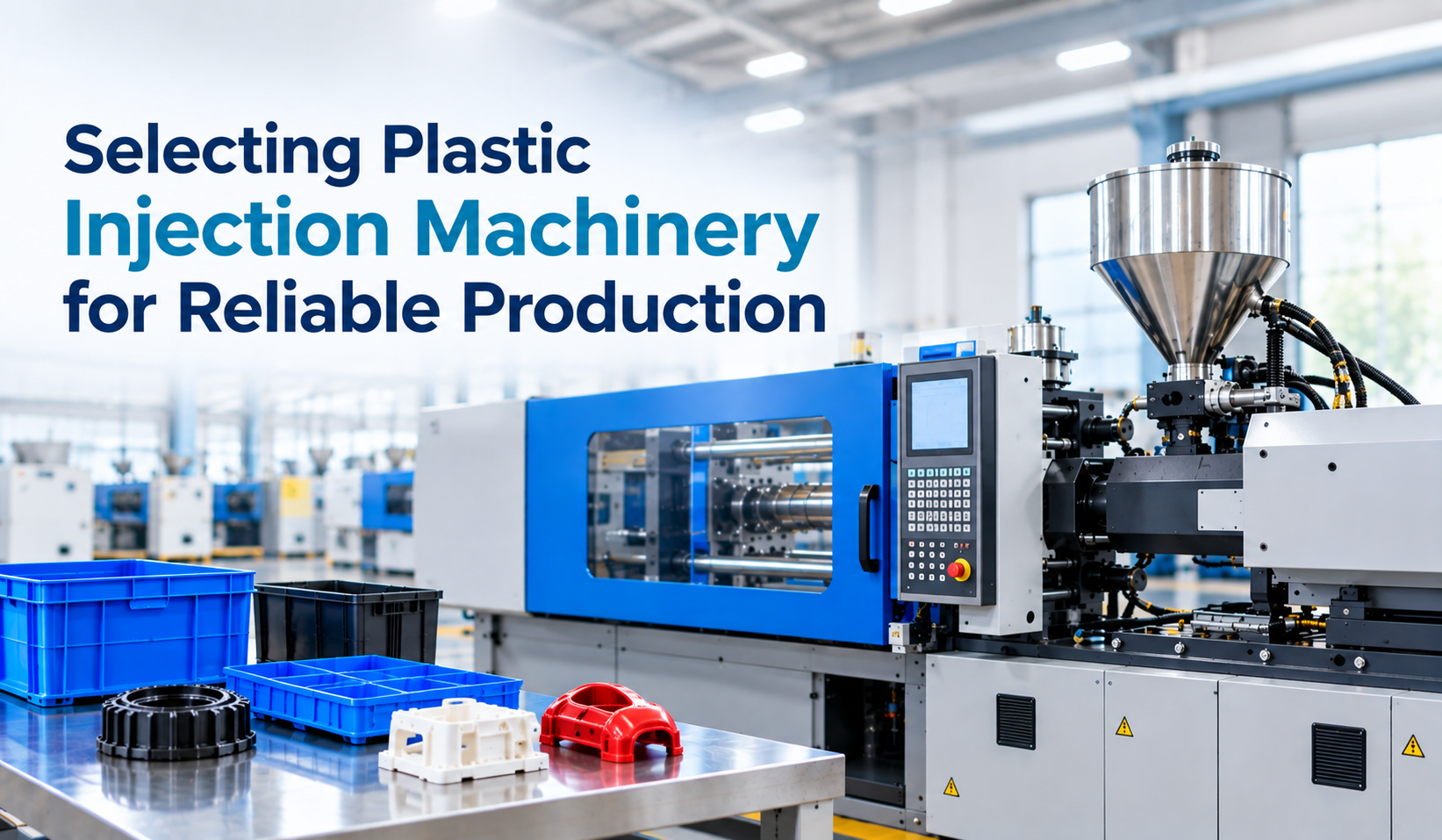
Selecting the right machinery is a significant decision for businesses involved in plastic component manufacturing. Production volume, material type, component design, cycle time, energy consumption, and maintenance requirements can all influence which equipment is appropriate. For businesses comparing plastic injection moulding machine manufacturers, the challenge is not simply finding equipment with high output, but identifying a system that matches actual production requirements. Esemplast Avinya operates within this manufacturing segment, making it useful for buyers to understand the factors that should guide an equipment decision.
Understanding Plastic Injection Requirements
Injection moulding is widely used to produce components with consistent shapes, dimensions, and surface characteristics. The process involves heating plastic material until it reaches a suitable state, injecting it into a mould, allowing it to cool, and then removing the finished part.
Different products can require significantly different processing conditions. A small precision component may need close control over injection parameters, while a larger structural part may require greater clamping capacity and material handling capability.
Before approaching suppliers, manufacturers should define their production requirements. These may include:
- Material type and grade
- Component weight and dimensions
- Expected production volume
- Mould size and configuration
- Desired cycle time
- Available factory space
- Energy and utility availability
Clear requirements make equipment comparisons more objective and reduce the possibility of selecting machinery based solely on headline specifications.
Choosing the Right Plastic Injection Equipment
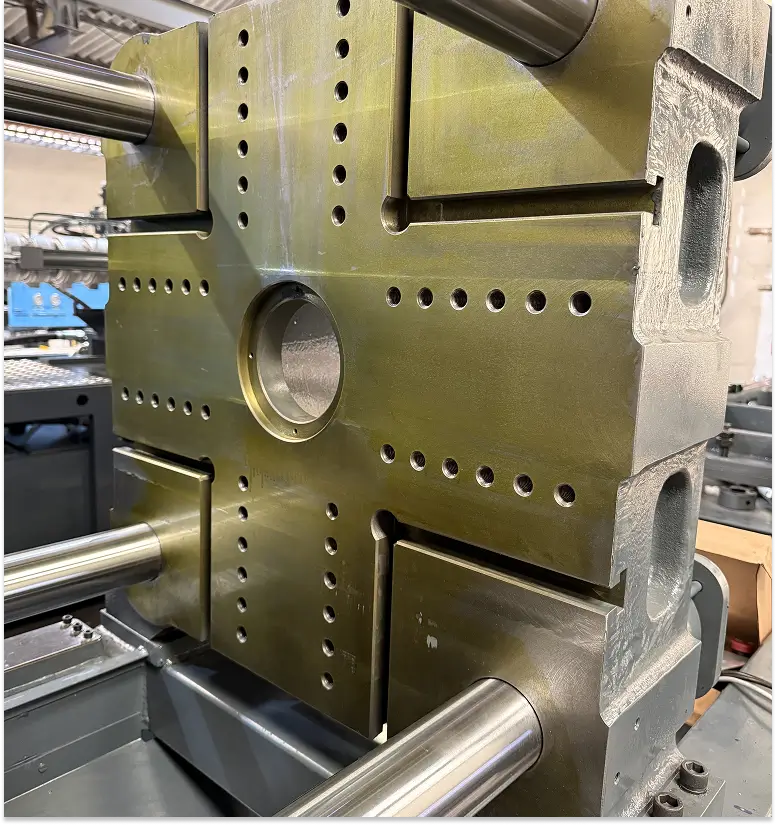
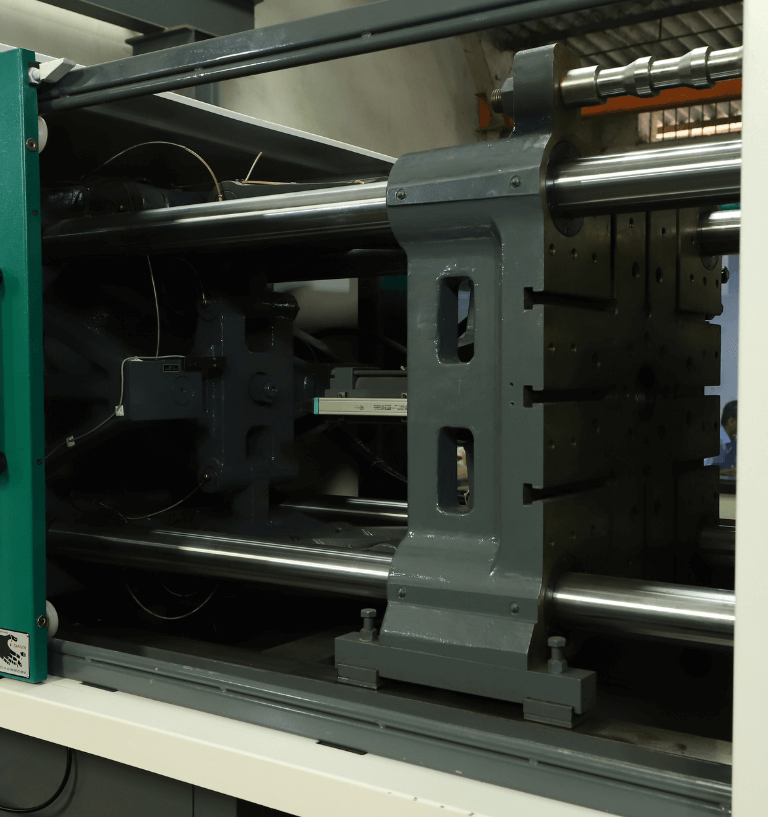
A plastic injection moulding machine should be evaluated according to how well its capabilities correspond with the intended application. Clamping force is an important consideration because the machine must hold the mould securely during injection. Injection capacity, screw configuration, pressure, and speed also need to suit the material and component being produced.
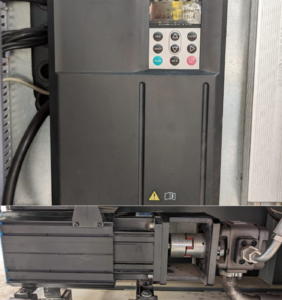
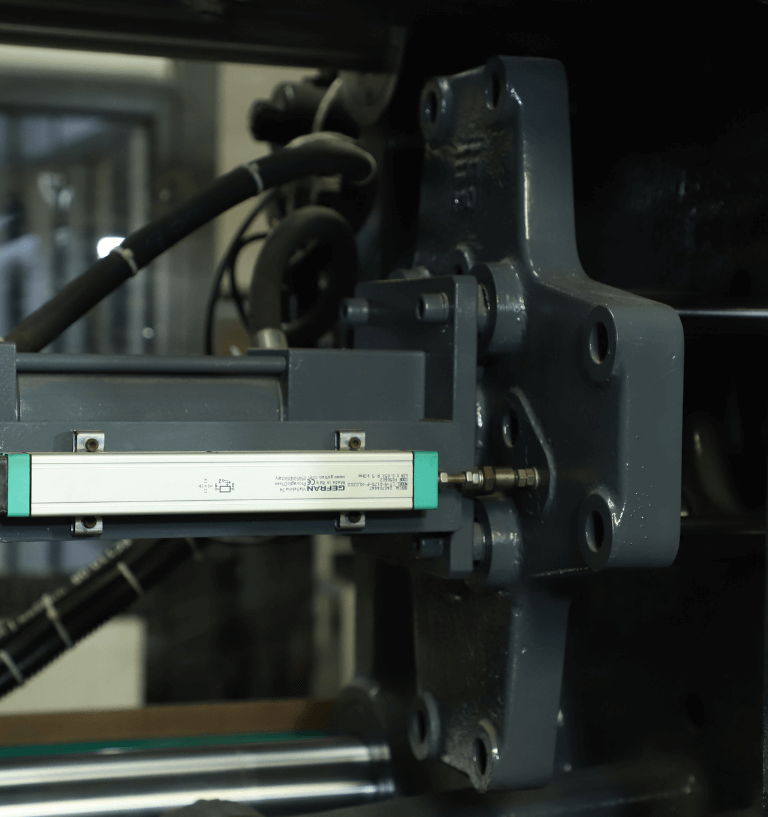
Control systems can have a direct impact on repeatability. Operators may need to monitor temperature, pressure, injection speed, holding conditions, and cooling parameters throughout the cycle. Equipment that allows important settings to be adjusted and reproduced can support consistent production.
| Selection factor | Why it matters |
| Clamping capacity | Determines suitability for mould size and process pressure |
| Injection unit | Must match material characteristics and required shot size |
| Control system | Supports monitoring and repeatability |
| Cycle time | Influences production output and efficiency |
| Energy consumption | Affects long-term operating expenses |
| Maintenance access | Can influence downtime and servicing efficiency |
Looking at these factors together provides a more realistic basis for equipment selection.
Improving Quality Through Process Control
Machine capability alone does not determine the quality of finished components. Process settings, mould condition, material preparation, cooling, and operator practices also influence results.
Inconsistent temperatures can affect material flow and cooling behaviour. Similarly, unsuitable injection speed or pressure may contribute to defects such as incomplete filling, flash, sink marks, or dimensional inconsistencies.
A structured production process can help manufacturers identify these issues early. Regular monitoring should focus on the parameters that have the greatest influence on product quality.
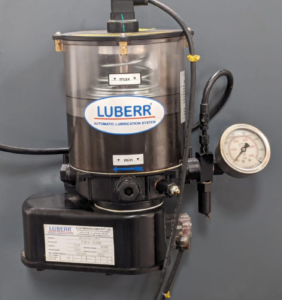
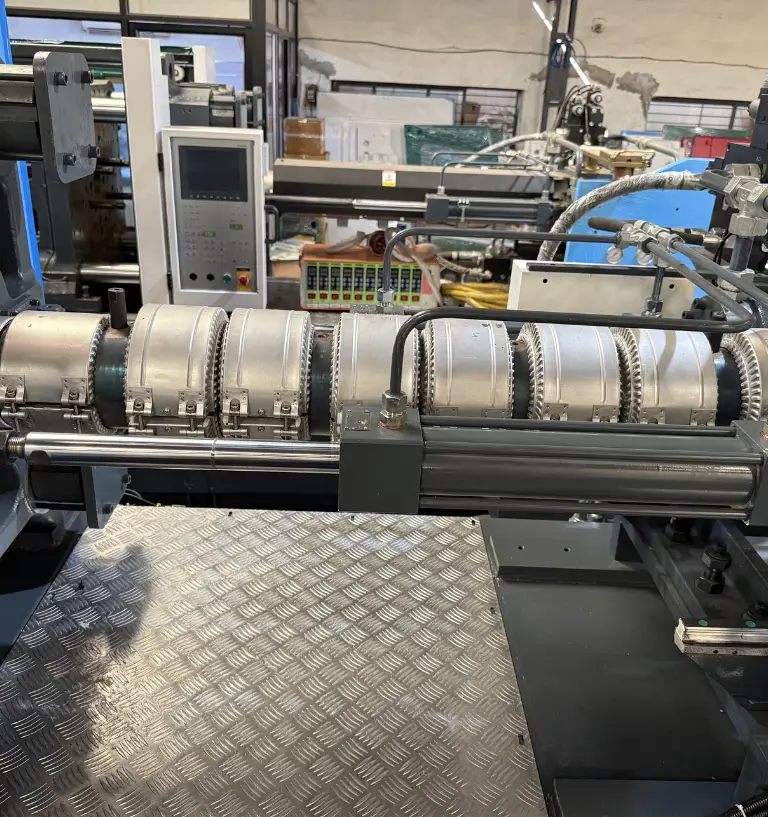
Preventive maintenance is another important element. Inspection of heaters, sensors, electrical systems, hydraulic components, lubrication points, and other critical parts can help identify developing problems before they result in unexpected downtime.
Evaluating Experienced Machine Manufacturers
Businesses researching the best injection moulding machine manufacturers in india should define what “best” means for their particular operation. A manufacturer with suitable equipment for high-volume production may not necessarily be the right choice for a business producing specialized, lower-volume components.
Technical support should be part of the evaluation. Buyers can ask potential suppliers about machine configuration, installation, commissioning, operator training, maintenance procedures, spare parts, and service arrangements.
It is also useful to discuss future requirements. Manufacturers expecting changes in product designs, materials, or production volumes may benefit from equipment that offers appropriate flexibility.
Rather than comparing brands only by price, businesses should examine the complete technical and operational proposition.
Considering Total Ownership Costs
The purchase price is only one component of the overall investment. Electricity consumption, maintenance, replacement parts, training, downtime, and servicing can influence the cost of operating equipment over several years.
Manufacturers can create a simple ownership assessment before purchasing. Comparing expected output against operating expenses can provide a clearer understanding of long-term value.
Energy efficiency deserves particular attention where machinery operates for extended production cycles. Similarly, accessible maintenance points can reduce the time required for routine servicing.
Future scalability should also be considered. Equipment that can accommodate realistic changes in production requirements may remain useful for longer, provided its capabilities align with the manufacturer’s evolving needs.
FAQs
What determines the required machine capacity?
Product weight, mould dimensions, material characteristics, production volume, and required clamping force all influence machine capacity.
Why does cycle time matter?
Cycle time affects how many components can be produced within a given period and therefore has a direct relationship with production efficiency.
How can manufacturers reduce moulding defects?
Suitable material preparation, accurate process settings, proper mould maintenance, consistent cooling, and regular monitoring can help reduce defects.
Is automation necessary for every production line?
No. Its value depends on production volume, component design, labour requirements, and the level of consistency required.
What should buyers ask equipment suppliers?
Questions should cover technical specifications, material compatibility, installation, training, maintenance, spare parts, service support, and future adaptability.
Conclusion
Choosing plastic processing equipment should begin with the manufacturer’s actual production objectives rather than a generic ranking of machines. Assessing capacity, controls, energy use, maintenance, process requirements, and long-term operating costs can make the purchasing decision more informed. When comparing plastic injection moulding machine manufacturers in india, businesses should focus on technical suitability and dependable lifecycle value. The right equipment is ultimately the one that fits the application, supports consistent production, and remains practical to operate as manufacturing needs develop.
No comment