
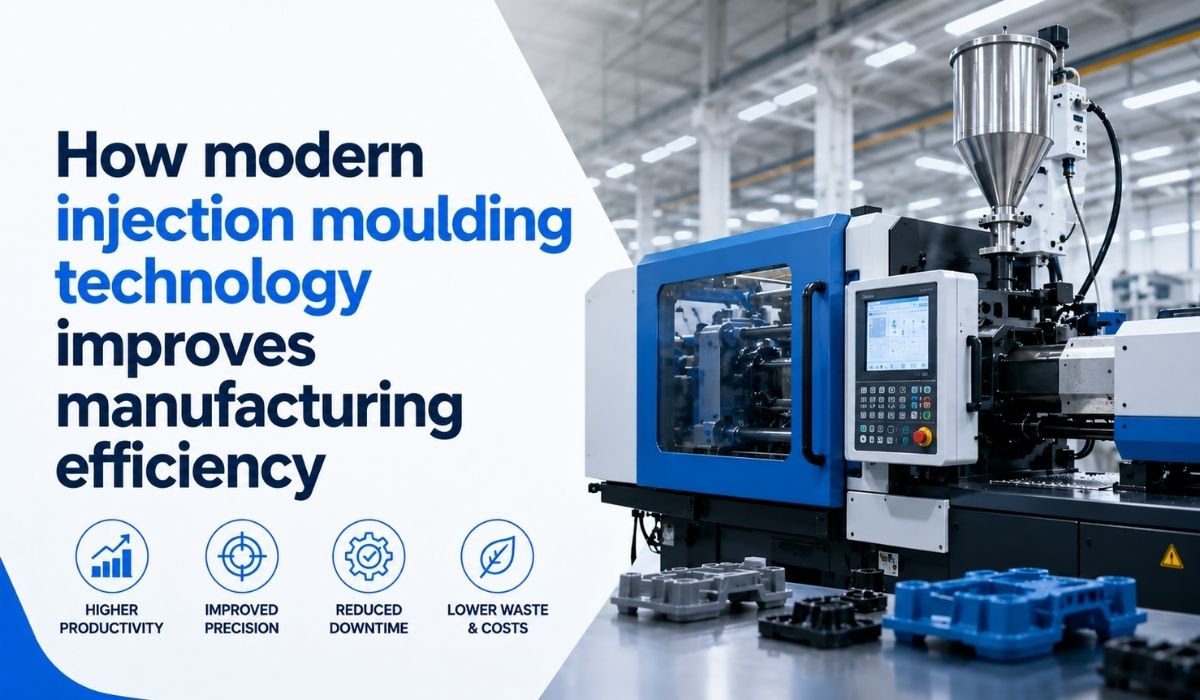
Manufacturing industries are constantly evolving to meet rising demands for precision, speed, and sustainability. Among the technologies driving this transformation, injection moulding has become one of the most reliable production methods for creating high quality plastic components. Modern systems now combine automation, digital monitoring, and energy efficient processes to improve operational performance across industries. Businesses searching for the best injection moulding machine in India often prioritize solutions that reduce waste, increase consistency, and support high volume production without compromising quality.
The Evolution of Injection Moulding Technology
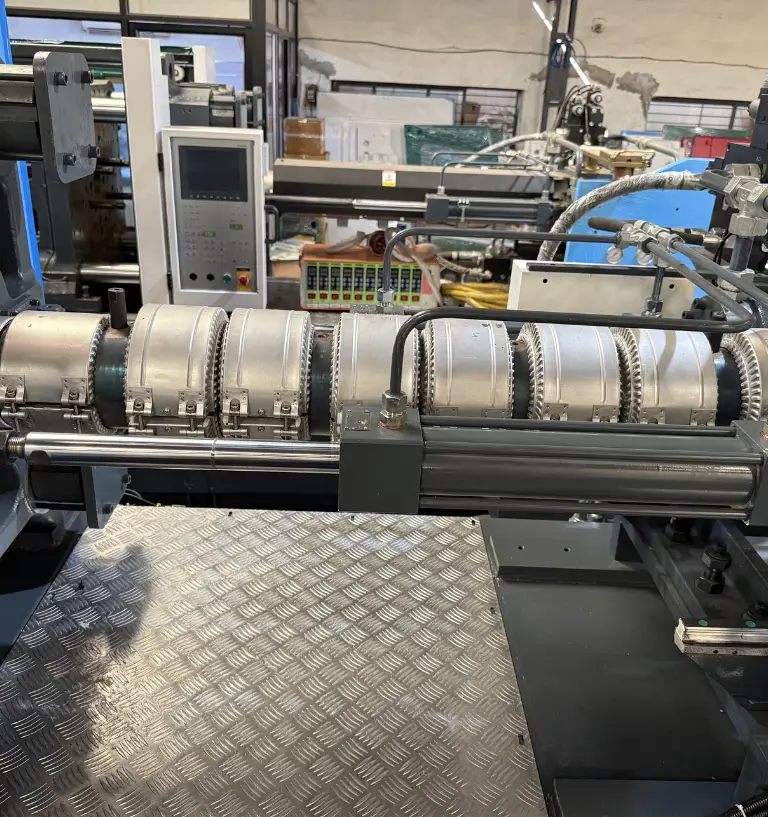
Injection moulding has advanced significantly from traditional hydraulic systems to highly automated and intelligent manufacturing solutions. Modern machines are designed to improve accuracy while minimizing downtime and energy usage. These improvements allow manufacturers to produce complex parts with greater efficiency and repeatability.
Key technological advancements include:
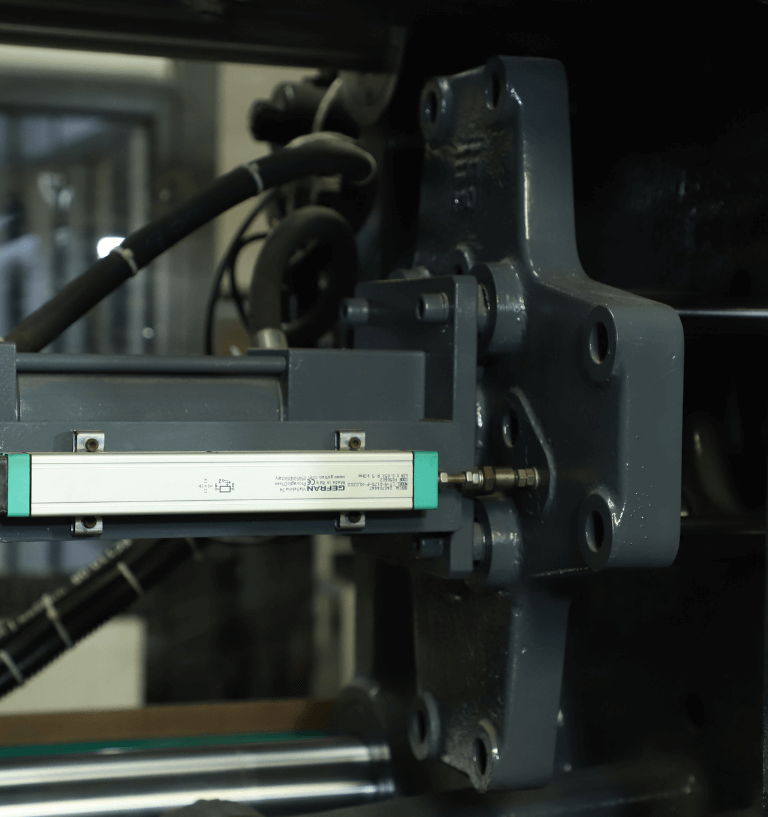
- Smart sensors for real time monitoring
- Automated material feeding systems
- Faster cooling and cycle times
- Precision temperature and pressure control
- Integration with digital manufacturing platforms
These innovations help manufacturers achieve stable production processes and maintain consistent product quality even during large scale operations.
Improved Material Utilization and Reduced Waste
One of the biggest challenges in manufacturing is minimizing material waste without affecting product quality. Modern injection moulding systems address this issue through accurate control over material flow, pressure, and temperature.
Efficient material management offers several advantages:
- Reduced scrap generation
- Better consistency in finished products
- Lower raw material consumption
- Improved recycling capabilities
- More sustainable production practices
Advanced moulding systems can also optimize cycle times and reduce excess material usage during production. This not only cuts operational expenses but also supports environmentally responsible manufacturing practices.
Precision Engineering for Complex Applications
Industries such as automotive, healthcare, electronics, and packaging require highly detailed components with strict dimensional accuracy. Modern moulding technologies are capable of producing intricate parts with exceptional precision and consistency.
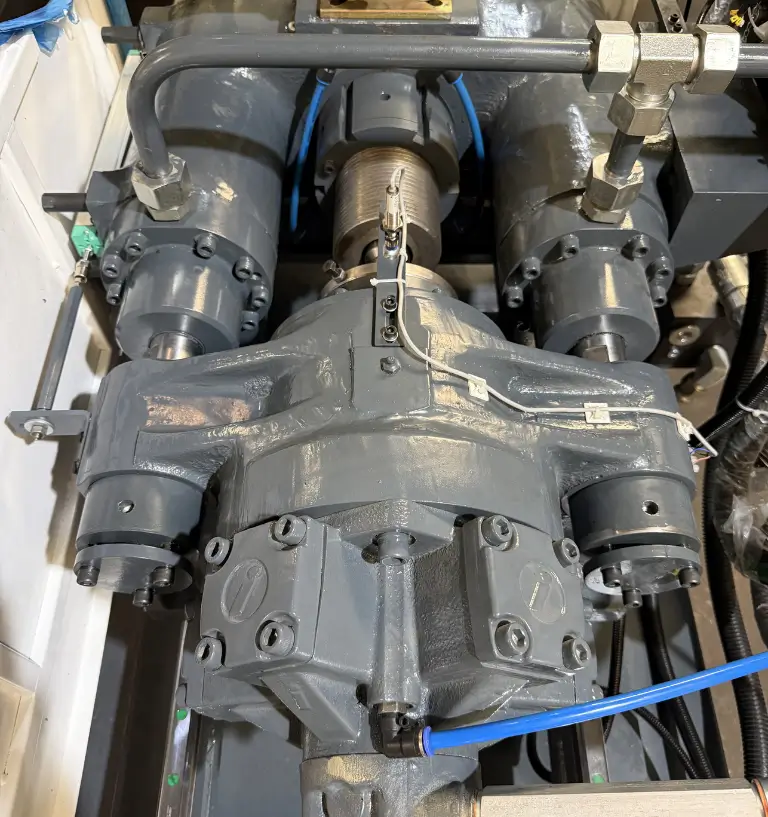
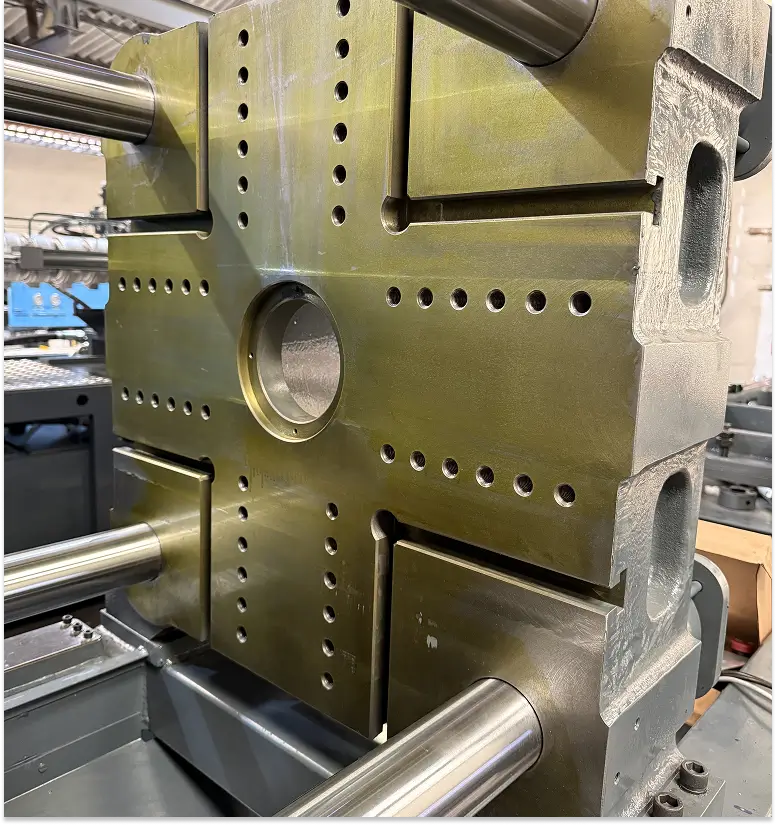
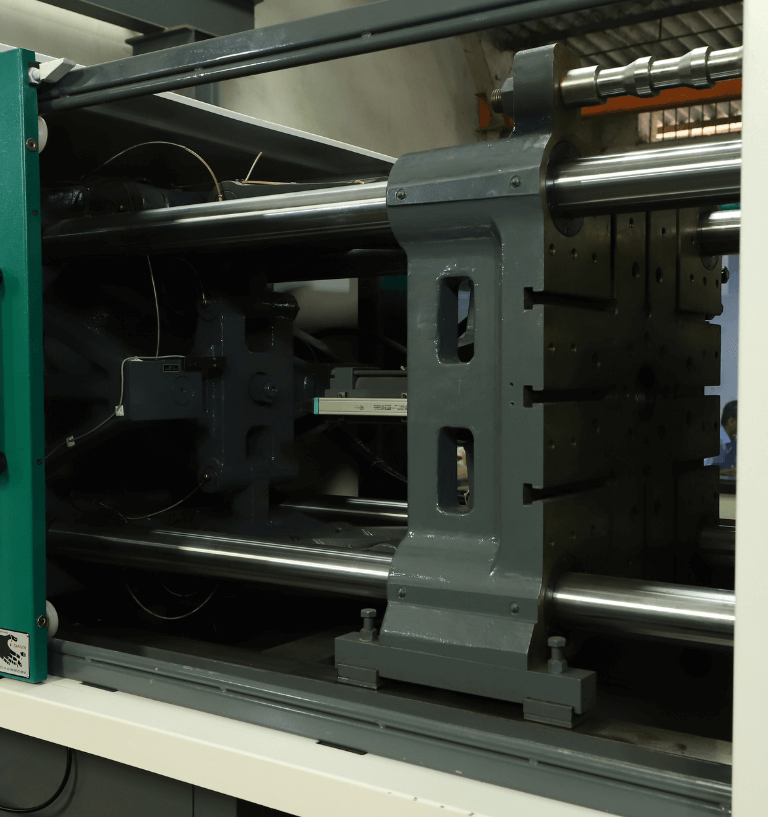
Many injection moulding machine manufacturers now focus on advanced engineering features such as servo driven systems, intelligent controls, and high performance mould compatibility. These features help industries create lightweight yet durable products suitable for demanding applications.
The ability to maintain uniform quality across thousands of production cycles is especially important for industries where reliability and compliance standards are critical. Enhanced precision also reduces the need for secondary finishing processes, saving both time and labor costs.
Energy Efficiency and Sustainable Manufacturing
Energy consumption plays a major role in manufacturing expenses. Modern injection moulding systems are increasingly designed to reduce power usage while maintaining high productivity levels.
Compared to traditional hydraulic systems, newer electric and hybrid technologies offer:
- Lower energy consumption
- Reduced heat generation
- Quieter operation
- Faster response times
- Improved process stability
Sustainability has also become a priority for manufacturers worldwide. Advanced moulding systems support eco friendly production by reducing waste, optimizing resource usage, and improving recycling efficiency. These improvements help companies align with environmental regulations while remaining cost effective.
The Role of Data and Smart Manufacturing
Digitalization has transformed manufacturing operations across industries. Modern injection moulding facilities now use smart technologies to monitor machine performance, analyze production data, and predict maintenance requirements.
Real time monitoring systems allow operators to identify inefficiencies quickly and make necessary adjustments before production issues occur. Smart manufacturing also improves production planning by offering insights into machine utilization, energy consumption, and quality control metrics.
Benefits of data driven manufacturing include:
- Better operational visibility
- Reduced unplanned downtime
- Faster troubleshooting
- Improved production scheduling
- Higher overall equipment efficiency
As Industry 4.0 technologies continue to expand, intelligent moulding systems will play a larger role in helping manufacturers remain competitive in global markets.
FAQs
What is modern injection moulding technology?
It refers to advanced moulding systems that use automation, digital controls, and energy efficient processes to improve production quality and efficiency.
How does automation improve injection moulding efficiency?
Automation reduces manual intervention, increases production speed, minimizes errors, and enhances consistency during manufacturing.
Why is energy efficiency important in injection moulding?
Energy efficient systems lower operational costs, reduce environmental impact, and improve overall manufacturing sustainability.
Which industries benefit most from injection moulding technology?
Automotive, medical, electronics, consumer goods, and packaging industries widely benefit from precise and high volume moulding solutions.
How does smart manufacturing support moulding operations?
Smart manufacturing provides real time monitoring, predictive maintenance, and data analysis to improve machine performance and production reliability.
Conclusion
Modern injection moulding technology continues to reshape manufacturing by improving precision, automation, sustainability, and operational efficiency. Advanced systems allow industries to reduce waste, optimize production cycles, and achieve consistent quality standards in competitive markets. As innovation continues to drive industrial growth, companies are increasingly relying on advanced solutions developed by injection moulding machine manufacturers in India to meet evolving production demands. Businesses such as Esemplast Avinya contribute to this growing sector by supporting the advancement of efficient and modern manufacturing technologies.
No comment