
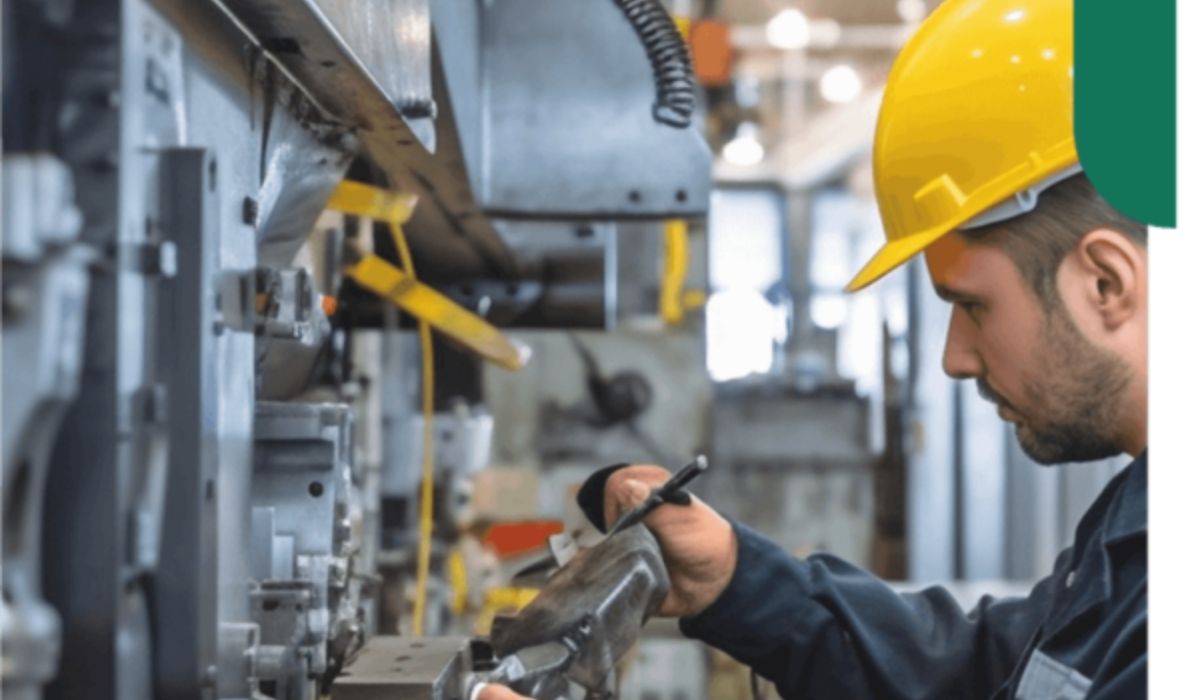
The manufacturing industry continues to evolve with increasing demand for precision, efficiency, and scalability. From automotive parts to consumer goods and medical equipment, plastic components play a vital role in modern production. To meet these requirements, industries rely on advanced plastic injection moulding machine solutions that ensure consistent output and high-quality results.
Choosing the right machinery is essential for achieving production goals. It not only impacts operational efficiency but also determines the overall quality and durability of the finished products.
Understanding Injection Moulding Technology
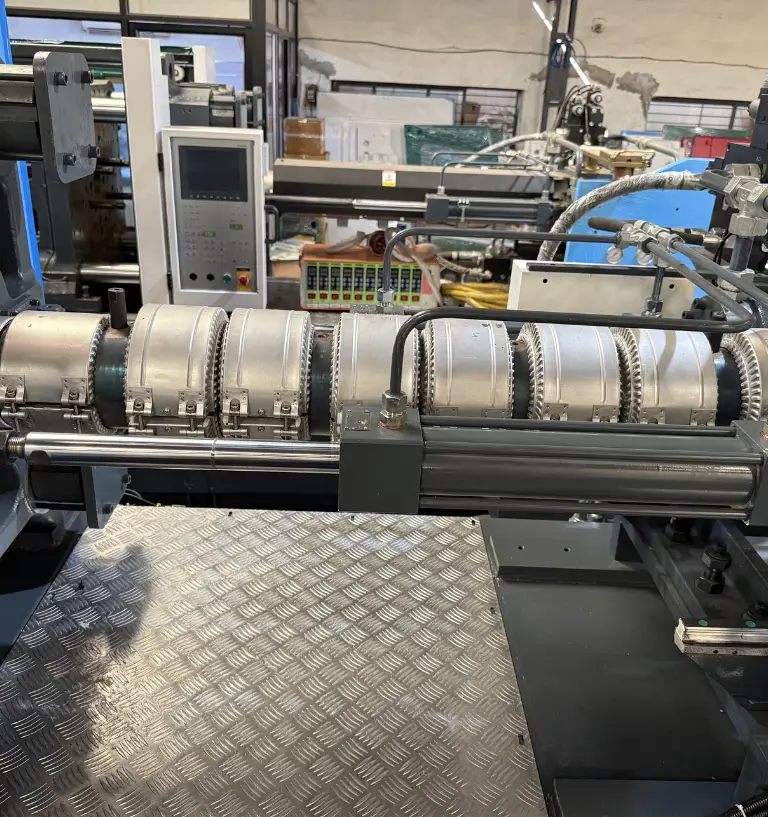
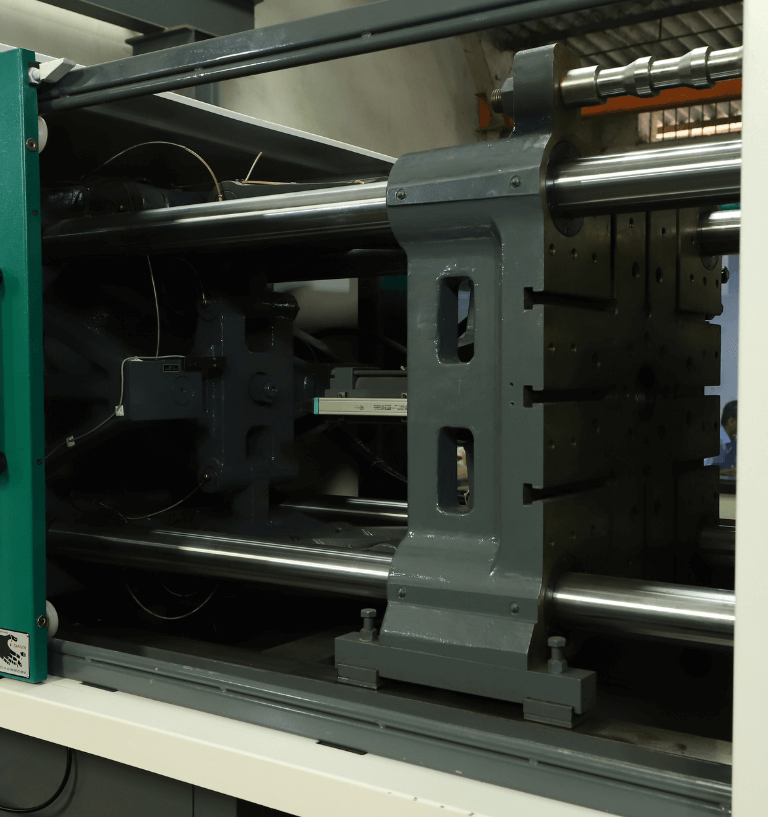
At the core of plastic manufacturing are injection molding machines, which convert raw plastic materials into finished components. The process involves heating plastic granules until they melt and then injecting the molten material into a mould cavity. Once cooled, the material solidifies into the desired shape.
This method is widely used because it offers:
- High production efficiency
- Consistent product quality
- Ability to create complex shapes
- Reduced material wastage
- Faster production cycles
These benefits make injection moulding an ideal solution for large-scale manufacturing across various industries.
Role of Machine Manufacturers in Industrial Growth
These companies design and develop machines that meet industry standards while incorporating advanced technologies.
Key contributions of manufacturers include:
- Designing energy-efficient machines
- Providing customized solutions
- Offering installation and training support
- Ensuring availability of spare parts
- Delivering long-term maintenance services
By partnering with experienced manufacturers, businesses can optimize their production processes and reduce downtime.
Features of Modern Plastic Injection Moulding Machines
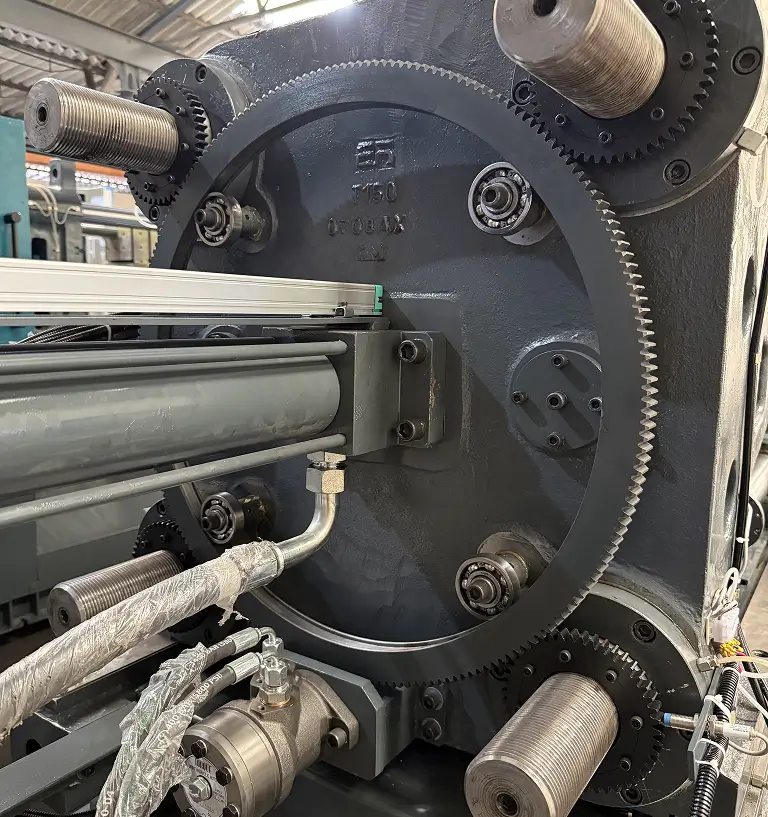
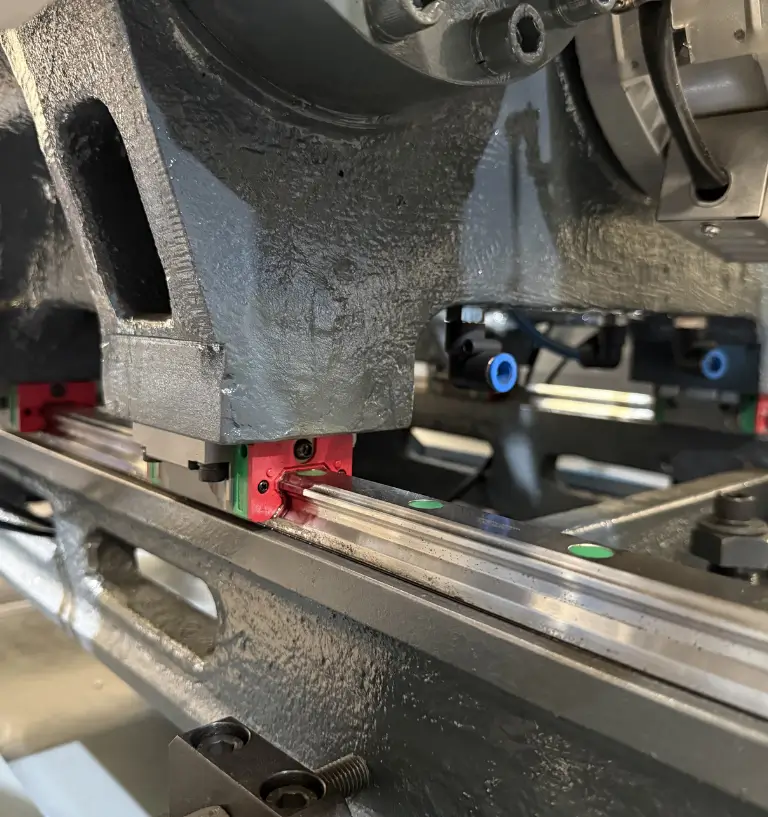
Technological advancements have significantly improved the capabilities of injection moulding machines. Modern equipment is designed to enhance precision, speed, and energy efficiency.
Important features include:
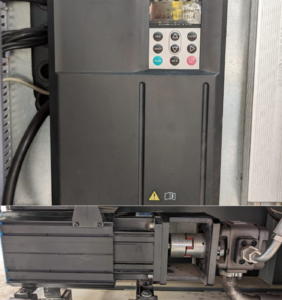
- Servo-driven systems for reduced energy consumption
- Advanced control panels for real-time monitoring
- High-speed injection units for faster cycles
- Precision temperature and pressure control
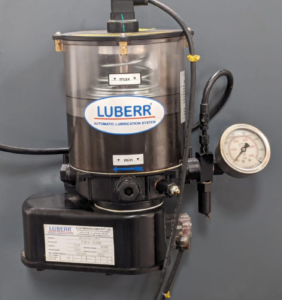
- Automated lubrication and safety systems
These features allow manufacturers to produce high-quality components while minimizing operational costs.
Comparing Traditional and Advanced Machines
Before investing in machinery, businesses often compare available options. The table below highlights the key differences between traditional and modern injection moulding machines:
| Feature | Traditional Machines | Advanced Machines |
| Energy Efficiency | Moderate | High |
| Automation | Limited | Fully automated |
| Precision | Standard | High precision |
| Production Speed | Slower | Faster cycles |
| Monitoring | Manual | Digital systems |
| Maintenance | Frequent | Reduced maintenance |
Selecting advanced machines helps manufacturers achieve better performance and long-term cost savings.
Growth of the Injection Moulding Industry in India
The demand for plastic products continues to rise across industries, leading to increased reliance on plastic injection moulding machine manufacturers in India. The country has developed a strong manufacturing base supported by skilled engineers and modern infrastructure.
Indian manufacturers focus on:
- Developing energy-efficient machinery
- Integrating automation technologies
- Offering cost-effective solutions
- Providing strong after-sales support
- Ensuring high-quality production standards
These factors contribute to the rapid growth of the plastics manufacturing sector in the country.
Factors to Consider When Choosing a Machine
Selecting the right equipment requires careful evaluation of production needs. Businesses should consider the following factors:
- Production volume requirements
- Type of plastic material used
- Product design complexity
- Level of automation required
- Energy consumption goals
- Available factory space
Collaborating with trusted manufacturers helps businesses identify the most suitable machine configuration for their operations.
Frequently Asked Questions
1. What industries use plastic injection moulding machines?
These machines are used in automotive, packaging, electronics, healthcare, consumer goods, and industrial manufacturing sectors.
2. How does injection moulding improve production efficiency?
It allows high-speed production with consistent quality, reduced waste, and minimal manual intervention.
3. Are modern machines energy efficient?
Yes, modern machines use advanced servo systems and optimized controls to reduce energy consumption.
4. What should I consider before purchasing a machine?
You should evaluate production capacity, material type, product complexity, and automation requirements.
5. Do manufacturers offer customized machines?
Yes, many companies provide tailored solutions to meet specific production needs.
Conclusion
Investing in the right machinery is essential for achieving consistent production quality and operational efficiency. Businesses that choose advanced equipment benefit from improved productivity and reduced costs.
Esemplast Avinya delivers innovative moulding solutions designed to meet modern industrial demands. With a focus on precision, reliability, and performance, the company supports manufacturers in achieving sustainable growth and long-term success.
No comment