
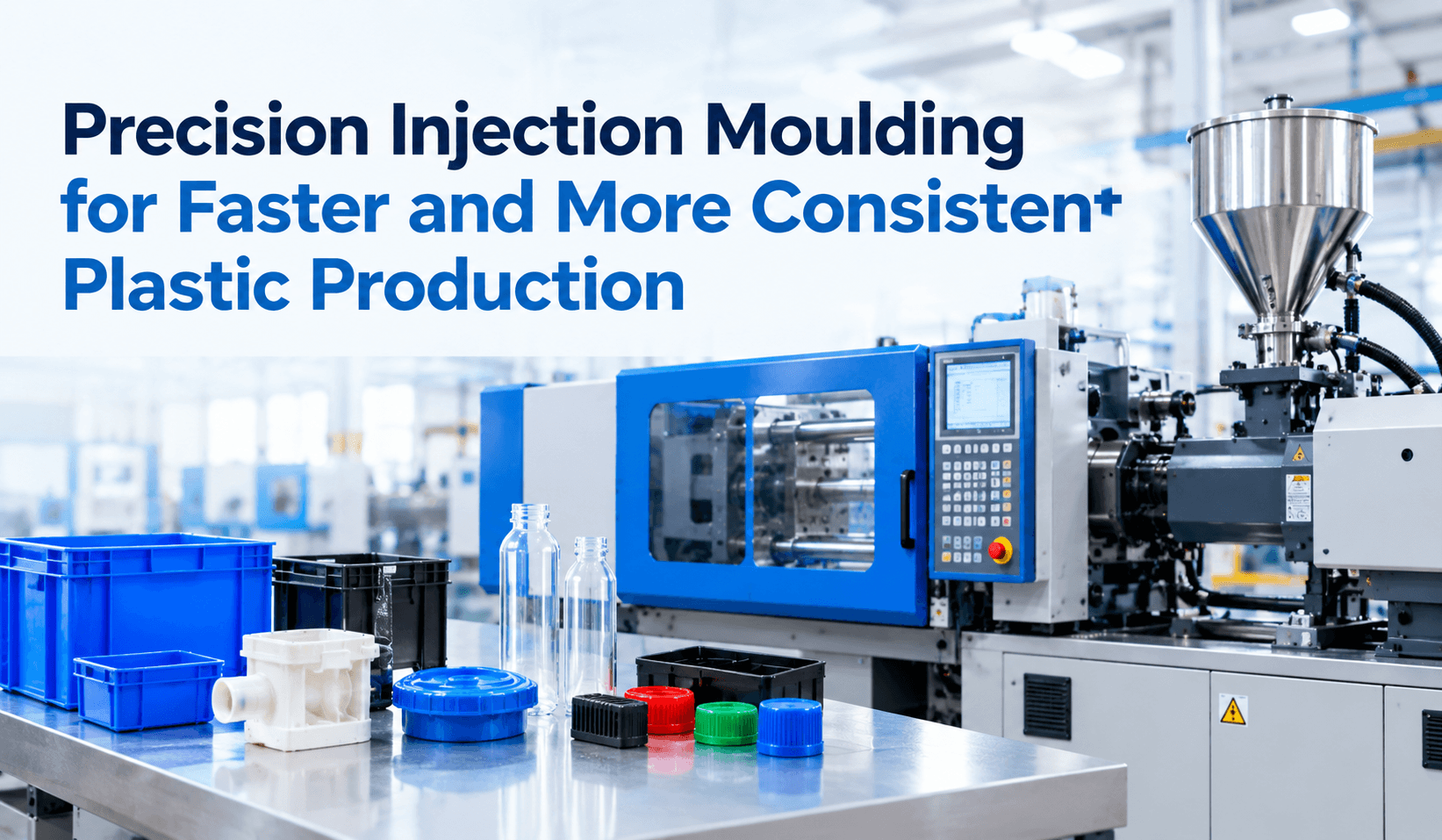
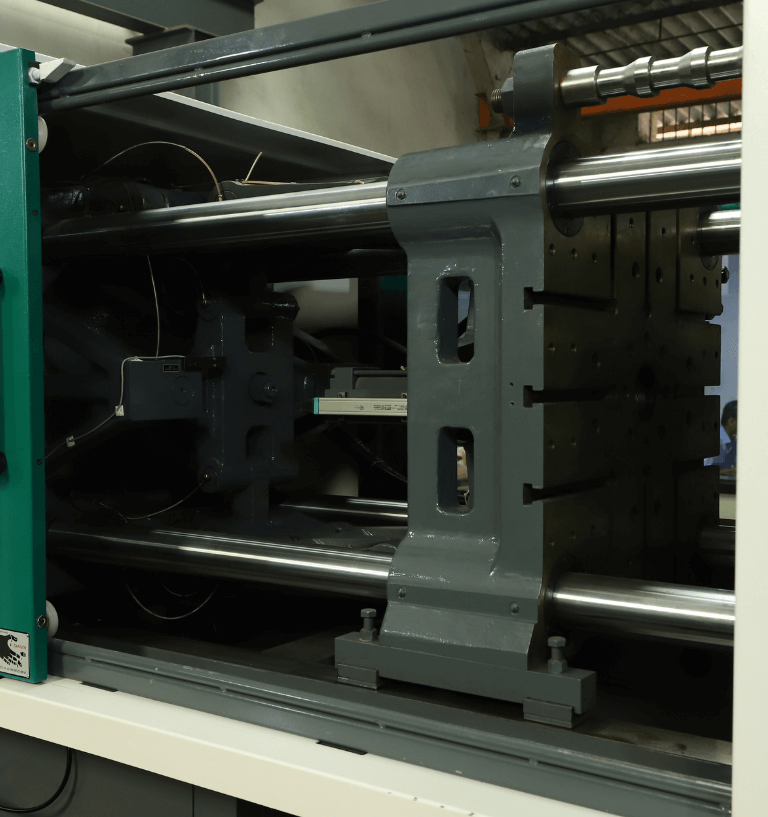
Choosing production equipment is an important decision for any manufacturer working with thermoplastics. The right system must balance output, precision, energy consumption, mould compatibility, and long-term operating requirements. A plastic injection moulding machine can support consistent production when its specifications are aligned with the material, component design, and required cycle time. Esemplast Avinya works across different moulding applications, offering equipment designed around varied production requirements.
Understanding What Your Production Actually Requires
Machine selection should begin with the product rather than the equipment catalogue. Component size, material type, mould dimensions, production volume, and required tolerances all influence the appropriate configuration.
Clamping force is one important consideration because it needs to be sufficient to hold the mould closed during injection. Injection capacity, screw specifications, platen dimensions, and available mould space also deserve attention.
Manufacturers should additionally consider:
- Expected daily or annual production volume
- Types of thermoplastics being processed
- Required cycle times
- Part weight and dimensions
- Automation and control requirements
- Available factory space and utilities
A clear understanding of these factors makes equipment comparisons more meaningful and reduces the risk of choosing a machine that is either underutilised or unsuitable for the application.
Comparing Machine Capabilities and Supplier Expertise
Businesses researching plastic injection moulding machine manufacturers in india often encounter a wide range of machine configurations. Comparing suppliers only on price can overlook factors that influence productivity throughout the equipment’s working life.
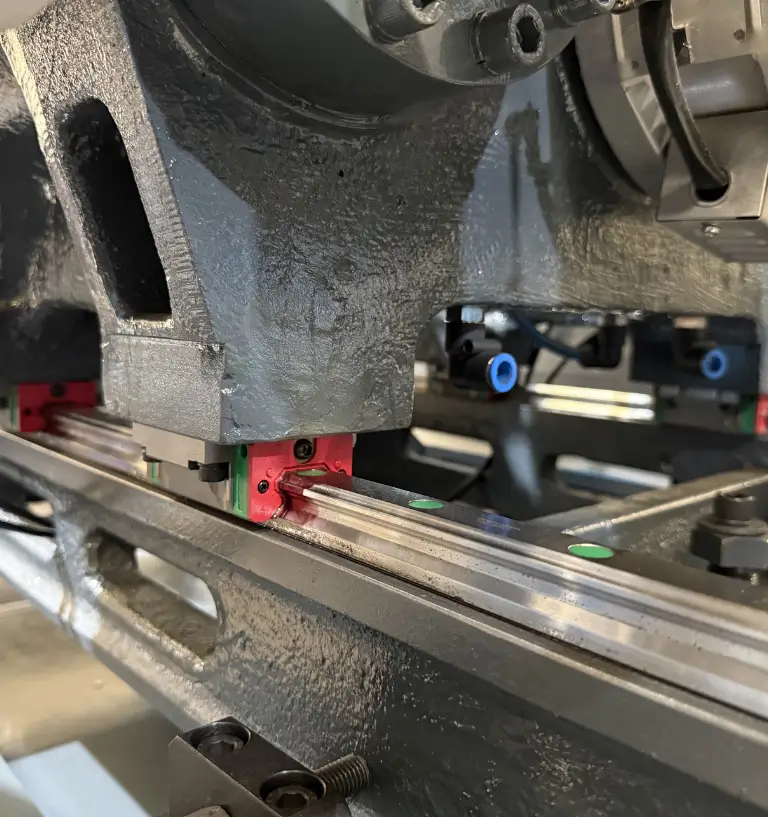
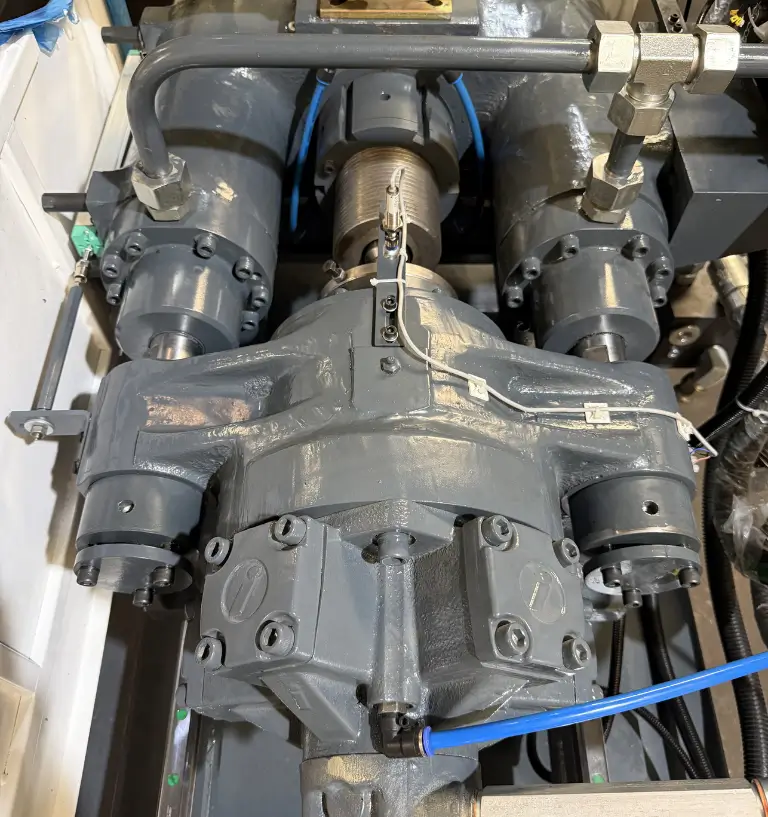
The machine’s mechanical design, control system, energy management, maintenance requirements, and compatibility with existing moulds should all form part of the assessment.
| Selection factor | Why it matters |
| Clamping force | Helps maintain mould closure during injection |
| Injection capacity | Determines suitability for different shot sizes |
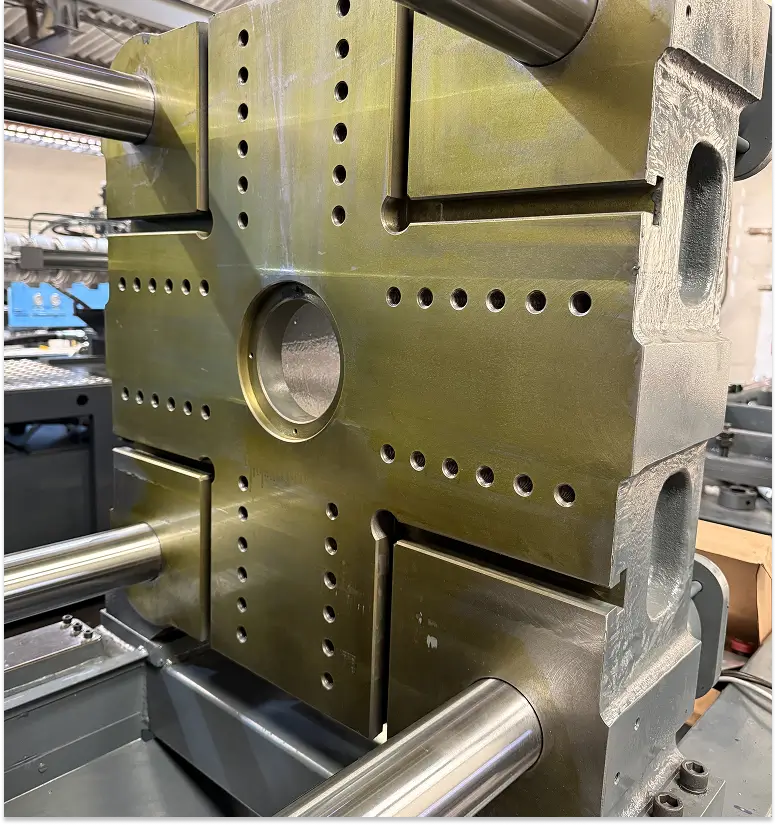
| Platen dimensions | Affects mould compatibility |
| Control system | Supports process monitoring and adjustment |
| Energy consumption | Influences ongoing operating costs |
| Maintenance access | Can affect service time and downtime |
A supplier’s ability to understand the intended application is equally important. Technical discussions should cover the complete production process instead of focusing on isolated specifications.
Matching Technology With the Application
Different products can place very different demands on production equipment. Packaging components may require high-speed cycles, while automotive or industrial parts can place greater emphasis on mould size, structural requirements, and repeatability.
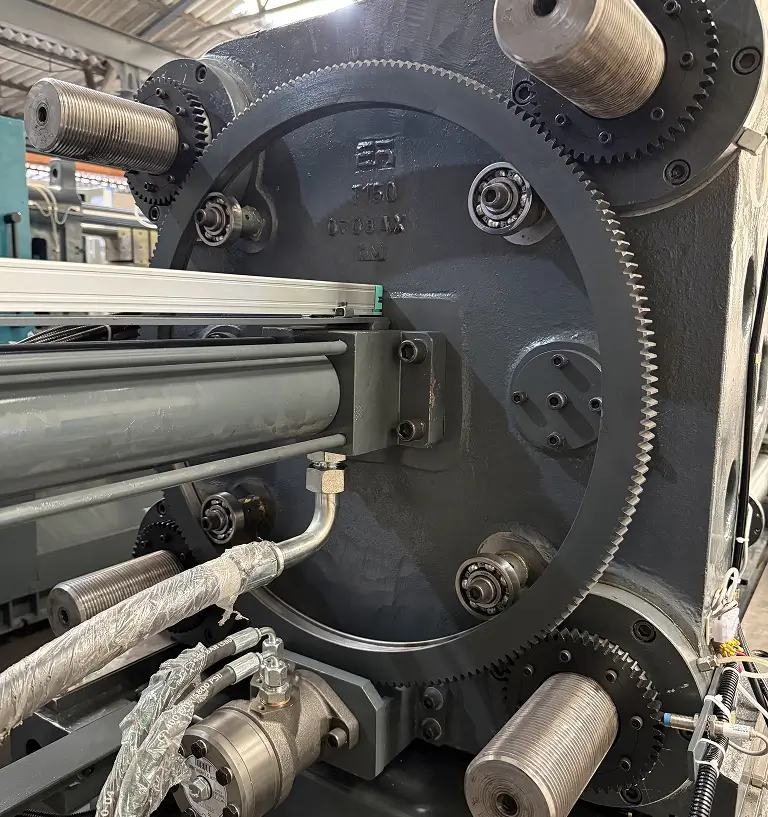
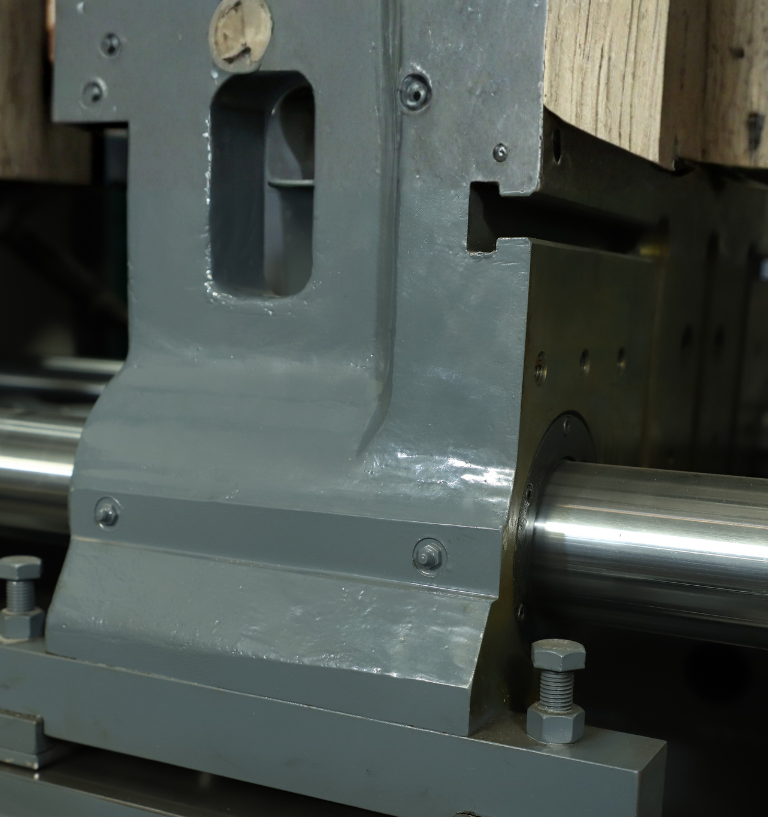
For applications involving larger moulds, a two-platen configuration may offer useful advantages in terms of mould capacity and accessibility. Other production environments may benefit from toggle-type systems that support fast cycling and efficient operation.
Material behaviour must also be considered. Processing temperatures, viscosity, drying requirements, and sensitivity to thermal conditions can influence the required injection and temperature-control capabilities.
How Modern Machines Support Better Control
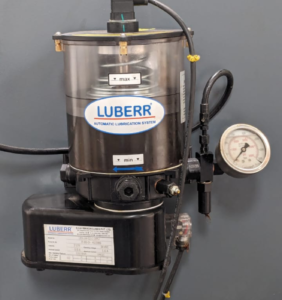
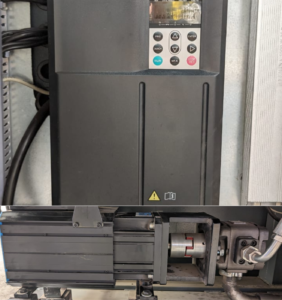
Today’s injection molding machines can incorporate features that help operators manage important production parameters more consistently. Servo-driven systems, temperature-zone controls, advanced controllers, multi-stage ejection, and automated lubrication can contribute to more controlled operation when properly configured.
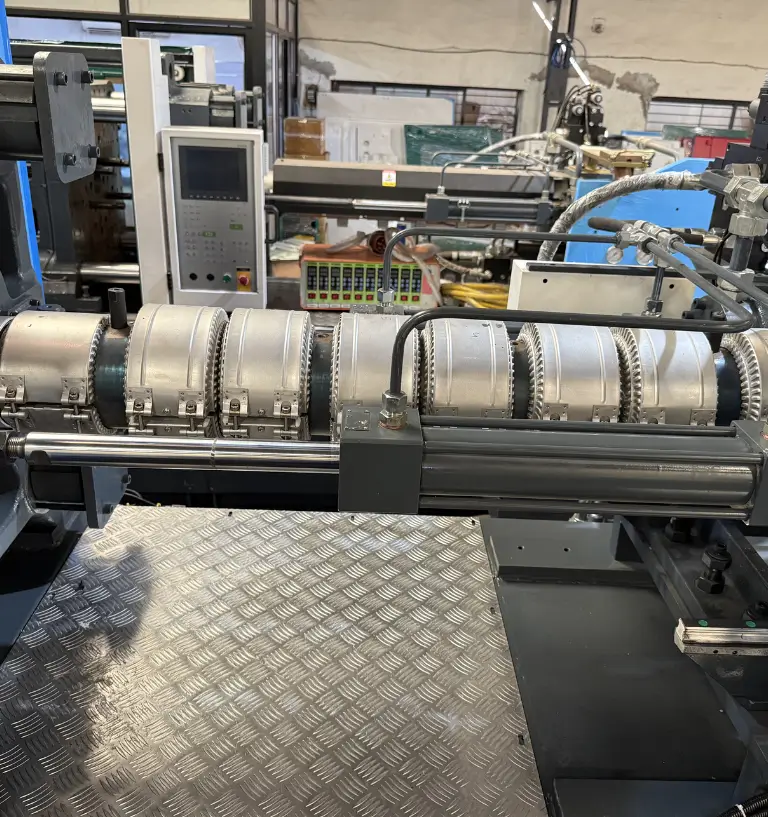
For example, precise temperature management can help maintain suitable processing conditions across heating zones. A responsive control interface can also make it easier for operators to monitor settings and identify deviations.
However, advanced features should not automatically determine the purchase decision. Their value depends on whether they address a genuine production requirement. A simpler configuration may be more appropriate for one application, while another may benefit from greater automation and monitoring.
Evaluating the Total Cost of Ownership
The purchase price provides only one part of the financial picture. Manufacturers should estimate the broader cost of operating the equipment over several years.
Consider:
- Electricity consumption during normal production
- Preventive maintenance requirements
- Availability and cost of replacement components
- Expected downtime during servicing
- Operator training requirements
- Compatibility with current moulds and auxiliary equipment
Energy-efficient drives and well-designed mechanical systems can influence operating expenses, but performance should always be evaluated against the application’s actual requirements.
It is also useful to ask how easily the equipment can accommodate future production changes. A machine with suitable capacity and flexibility may remain useful as product volumes or specifications evolve.
FAQs
What is the most important factor when selecting a moulding machine?
There is no single factor. Clamping force, injection capacity, mould dimensions, material requirements, production volume, and cycle time should be considered together.
How does mould size affect machine selection?
The mould must fit within the available platen space and satisfy the machine’s dimensional and clamping requirements. Adequate space is essential for safe and practical operation.
Are servo-driven systems always necessary?
Not always. Servo technology can provide energy and control benefits, but its suitability depends on the application’s operating profile and production objectives.
Why is temperature control important?
Consistent temperature management helps maintain appropriate material-processing conditions and can contribute to repeatable moulding results.
Should future production needs influence the purchase?
Yes. Anticipated changes in product size, production volume, materials, or mould configurations can help determine whether additional capacity or flexibility is worthwhile.
Conclusion
Selecting equipment for plastic processing requires a balance between technical specifications, production objectives, operating costs, and future requirements. Rather than comparing machines solely by price or speed, manufacturers should assess the complete production environment and identify the features that genuinely support their processes. Working with experienced plastic injection moulding machine manufacturers can make this evaluation more structured and help businesses choose equipment that delivers practical value throughout its operational life.
No comment