
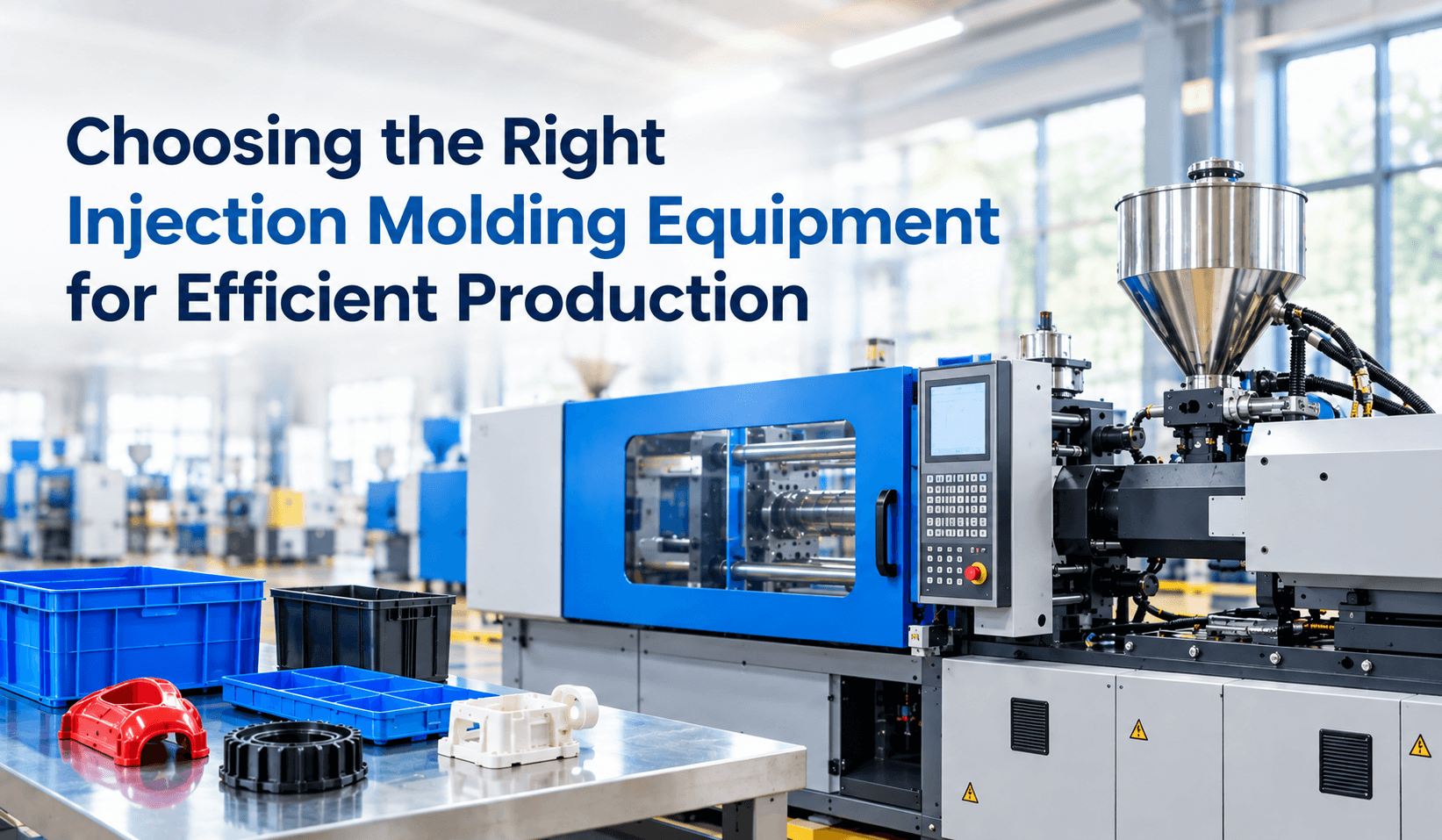
Choosing suitable machinery is an important decision for manufacturers working with plastic components. The right equipment can influence production speed, consistency, energy consumption, maintenance requirements, and the quality of finished parts. Modern injection molding machines offer different configurations and capabilities, making it important to assess actual production needs before making an investment. Esemplast Avinya operates in this manufacturing space, where understanding machine performance and application requirements can help businesses make more informed equipment decisions.
Understanding Injection Molding Requirements
Injection molding involves melting plastic material and injecting it into a mold under controlled pressure. Once the material cools and solidifies, the finished component is removed and prepared for subsequent operations.
Although the basic principle is straightforward, production requirements can vary considerably. A manufacturer producing small precision components may have very different requirements from one producing larger automotive or industrial parts.
Before selecting equipment, businesses should establish factors such as:
- Type and grade of material being processed
- Component dimensions and weight
- Required production volume
- Mold specifications
- Desired cycle time
- Available factory space
- Energy and utility requirements
Defining these parameters first makes it easier to identify equipment that is appropriately sized for the application rather than simply selecting a machine based on maximum capacity.
Comparing Machine Capabilities and Configurations
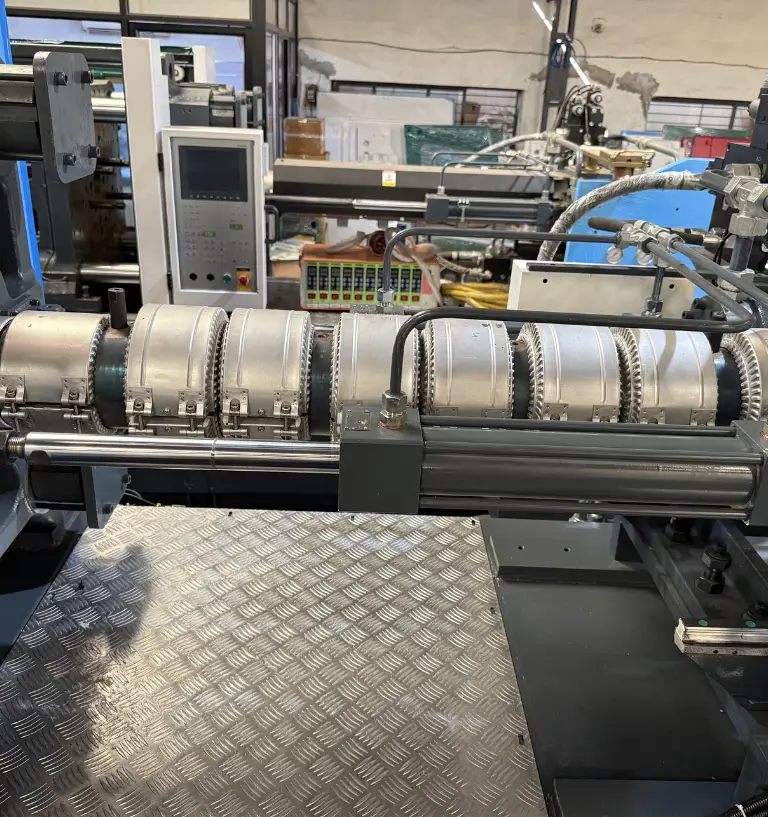
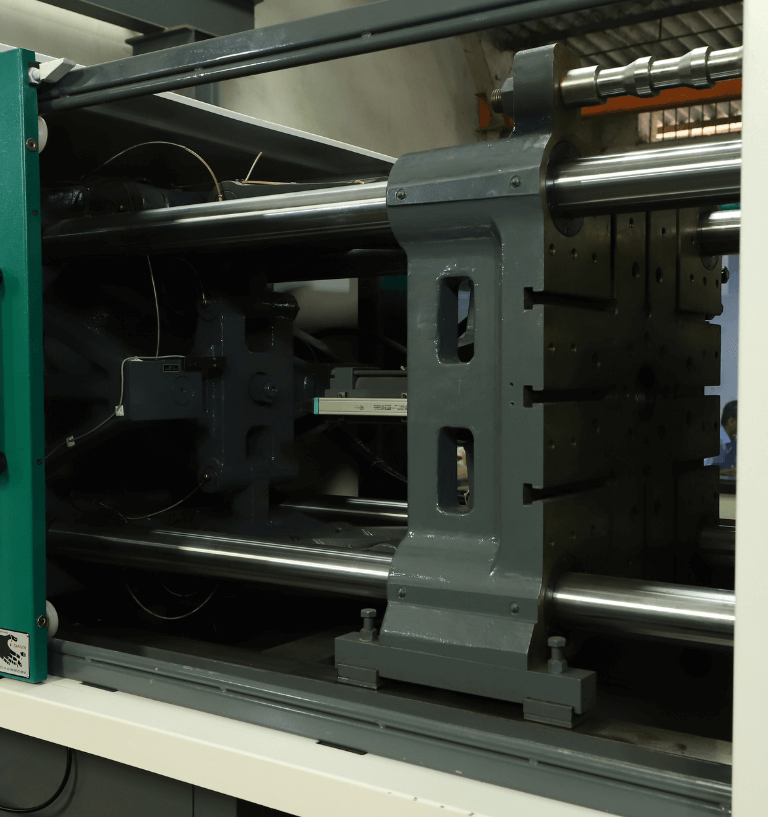
When evaluating injection moulding machine manufacturers, buyers should examine how different machine configurations address their specific production requirements. Clamping force, injection capacity, control systems, screw design, and automation compatibility can all affect suitability.
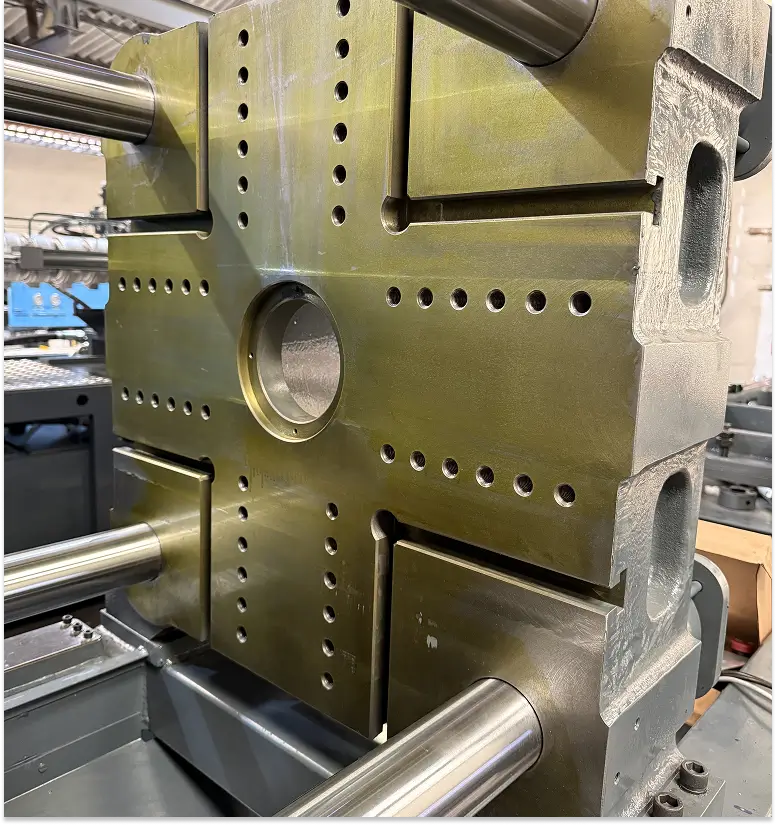
Clamping force needs to be sufficient to keep the mold closed during injection. Meanwhile, injection capacity should correspond with the material volume and shot size required for the intended components.
Control systems also deserve close attention. Accurate monitoring of pressure, temperature, injection speed, and cycle parameters can support repeatable production. For manufacturers producing multiple components, the ability to store and reproduce process settings can be particularly useful.
| Selection criterion | What manufacturers should assess |
| Clamping force | Compatibility with mold size and injection pressure |
| Injection unit | Shot capacity, screw configuration, and material suitability |
| Controls | Parameter monitoring, adjustment, and repeatability |
| Cycle performance | Speed relative to required production output |
| Energy use | Consumption during regular operating conditions |
| Maintenance | Accessibility and availability of service support |
A balanced comparison helps prevent technical specifications from being considered in isolation.
Why Process Consistency Matters
Production efficiency is not determined by cycle speed alone. Consistent molding conditions are equally important because variations can contribute to defects, material waste, or inconsistent dimensions.
Temperature control is one area that requires attention. Plastic materials need to be processed within appropriate temperature ranges, while mold temperature can influence cooling behaviour and finished-part characteristics.
Pressure and injection speed also affect how material fills the mold. If these parameters are poorly matched to the application, manufacturers may encounter issues such as incomplete filling, flash, sink marks, or dimensional variation.
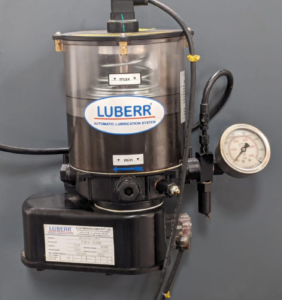
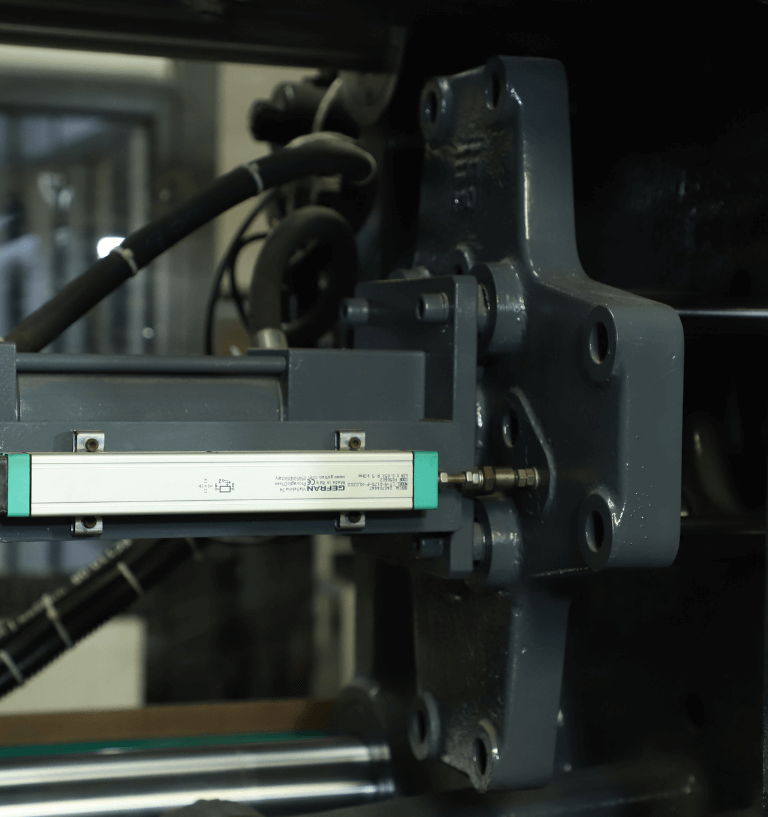
Routine monitoring can help identify changes before they result in significant production losses. Preventive maintenance is similarly important. Checking hydraulic or electrical systems, lubrication points, heaters, sensors, and other critical components can help maintain dependable operation.
Finding the Right Fit for Production Goals
Businesses searching for the best injection moulding machine in india should avoid treating the word “best” as a universal specification. The most suitable machine depends on the product, material, mold, production volume, and operating environment.
For example, a high-capacity machine may be unnecessary for a manufacturer producing relatively small components, while a compact machine may not meet the requirements of high-volume production.
Buyers should also consider future requirements. If production volumes are expected to increase or product ranges may expand, flexibility can become an important part of the purchasing decision.
Technical discussions with equipment suppliers should address:
- Expected output and cycle requirements
- Material compatibility
- Mold dimensions and clamping needs
- Automation possibilities
- Operator requirements
- Maintenance and service considerations
This application-focused approach creates a more realistic basis for comparing alternatives.
Evaluating Total Cost of Ownership
The purchase price provides only part of the financial picture. Manufacturers should also consider energy consumption, maintenance, replacement components, downtime, operator training, and expected service life.
A machine that costs less initially may not necessarily provide the lowest overall operating cost if it requires frequent maintenance or consumes substantially more energy. Conversely, investing in advanced controls or automation can be worthwhile when those features address a clear production requirement.
Manufacturers can improve decision-making by estimating operating costs over several years and comparing them with expected production output. This provides a clearer view of the equipment’s practical value.
FAQs
What determines the right machine size?
Machine size depends on factors including component dimensions, mold requirements, shot weight, clamping force, and expected production volume.
Why is clamping force important?
It keeps the mold securely closed during injection and must be appropriate for the mold and processing conditions.
Does automation improve molding efficiency?
Automation can reduce manual handling and support repeatable processes, but its value depends on production volume, component design, and workflow requirements.
How can manufacturers reduce molding defects?
Consistent material preparation, suitable process settings, proper mold maintenance, and regular monitoring can help reduce defects.
Should energy efficiency influence equipment selection?
Yes. Energy consumption contributes to long-term operating costs, so it should be considered alongside purchase price and production performance.
Conclusion
Selecting plastic processing equipment requires a practical assessment of product requirements, production targets, process control, maintenance, and lifecycle costs. Instead of relying on a single specification or a general market ranking, manufacturers should compare equipment according to their actual operating conditions. For businesses evaluating injection moulding machine manufacturers in ahmedabad, an application-focused assessment can provide a stronger foundation for selecting machinery that supports consistent quality, efficient production, and sustainable long-term operations.
No comment