
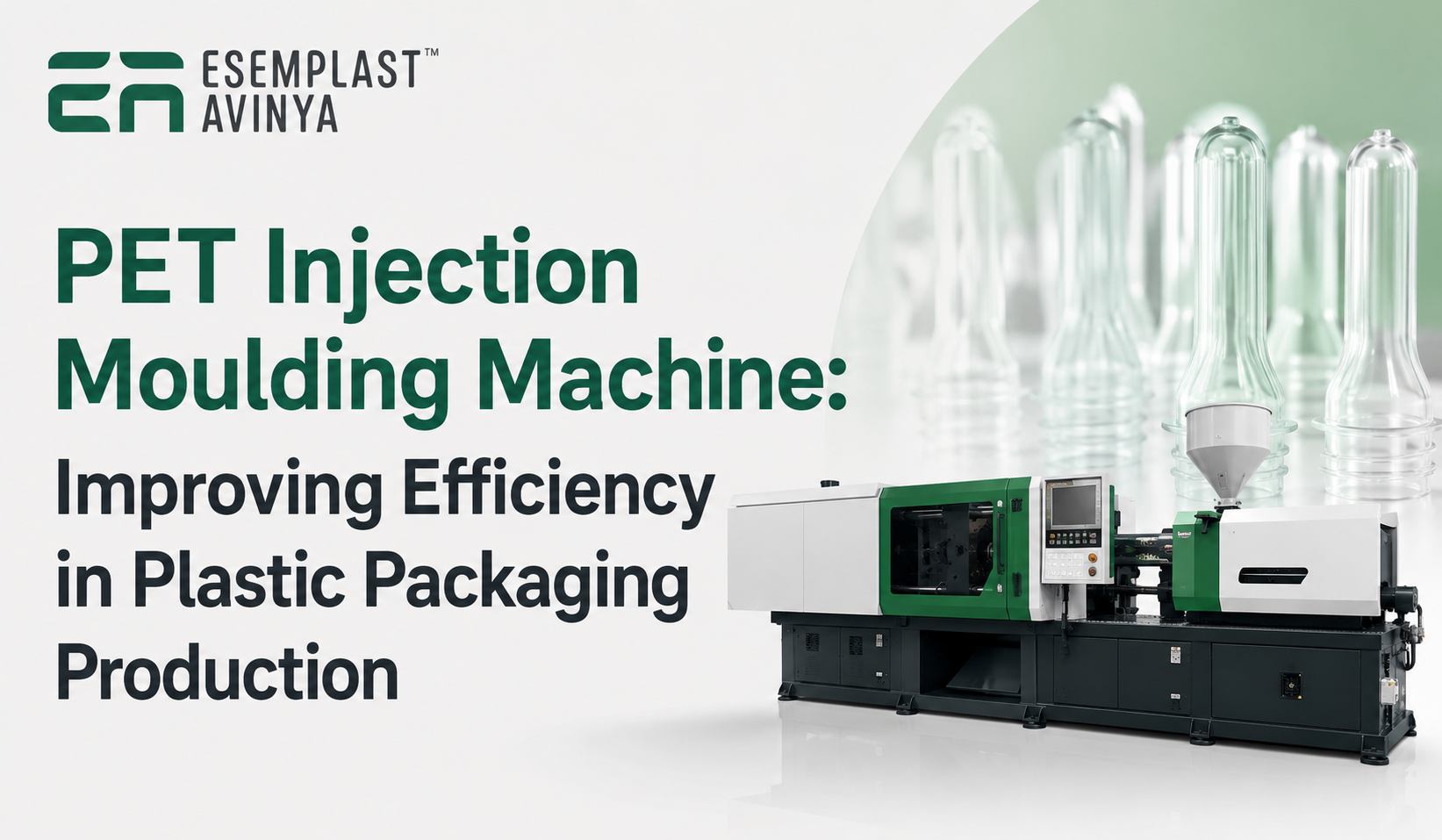
The packaging industry relies on precision, speed, and consistency to meet increasing production demands. PET containers are widely used for beverages, food products, pharmaceuticals, and personal care items because they are lightweight, durable, and recyclable. Producing high-quality PET preforms requires advanced manufacturing equipment that delivers consistent performance across large production volumes. A pet injection moulding machine plays a vital role in this process by shaping molten PET material into uniform preforms that can later be converted into bottles and containers. With proper machine selection and maintenance, manufacturers can improve production efficiency while maintaining strict quality standards.
Understanding the PET Injection Moulding Process
PET injection moulding is a manufacturing process that produces precise preforms for blow molding applications. The process requires accurate temperature control, consistent pressure, and carefully designed molds to ensure reliable product quality.
Key advantages of this manufacturing process include:
- High production efficiency
- Excellent dimensional accuracy
- Consistent preform quality
- Reduced material waste
- Suitable for large production volumes
- Reliable repeatability
These benefits make PET injection moulding an important solution for manufacturers producing packaging products in high quantities.
The Role of PET Preform Machine Manufacturers
Experienced pet preform machine manufacturers develop equipment designed to improve production performance while maintaining precision throughout the molding cycle. Advanced machines incorporate automation and control technologies that support efficient manufacturing operations.
Selecting equipment with these capabilities helps manufacturers achieve stable production while maintaining product consistency.
Factors to Consider Before Selecting PET Equipment
Choosing the right injection molding equipment requires evaluating both current production needs and future manufacturing goals. Careful planning helps improve long-term productivity and operational efficiency.
Important considerations include:
- Required production capacity
- Mold compatibility
- PET material specifications
- Energy consumption
- Automation requirements
- Maintenance accessibility
A comprehensive evaluation helps manufacturers select equipment that supports efficient production while allowing flexibility for future expansion.
Features of the Best PET Injection Moulding Machine
The best pet injection moulding machine combines precision engineering with reliable automation to produce consistent results throughout continuous production cycles. Modern equipment is designed to maximize productivity while reducing downtime and maintaining quality standards.
Common features include:
- High-precision injection systems
- Stable temperature management
- Fast production cycles
- User-friendly control interfaces
- Efficient cooling systems
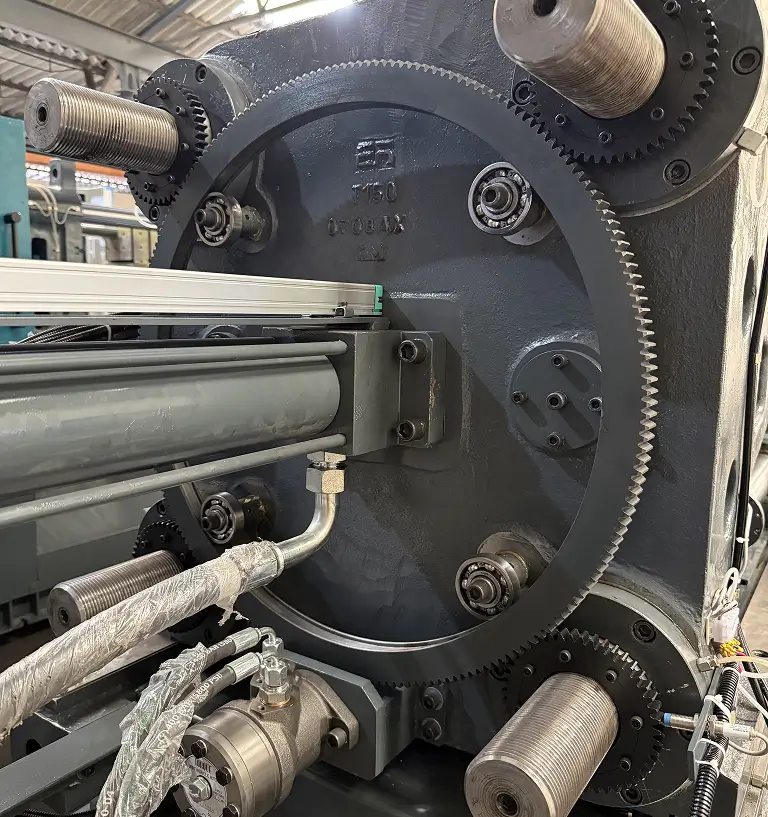
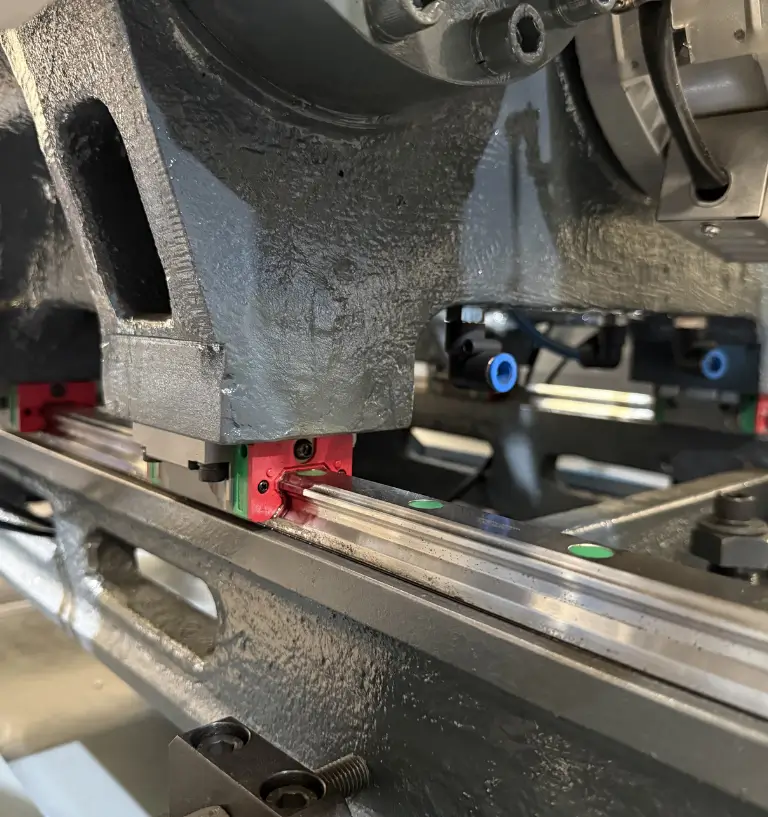
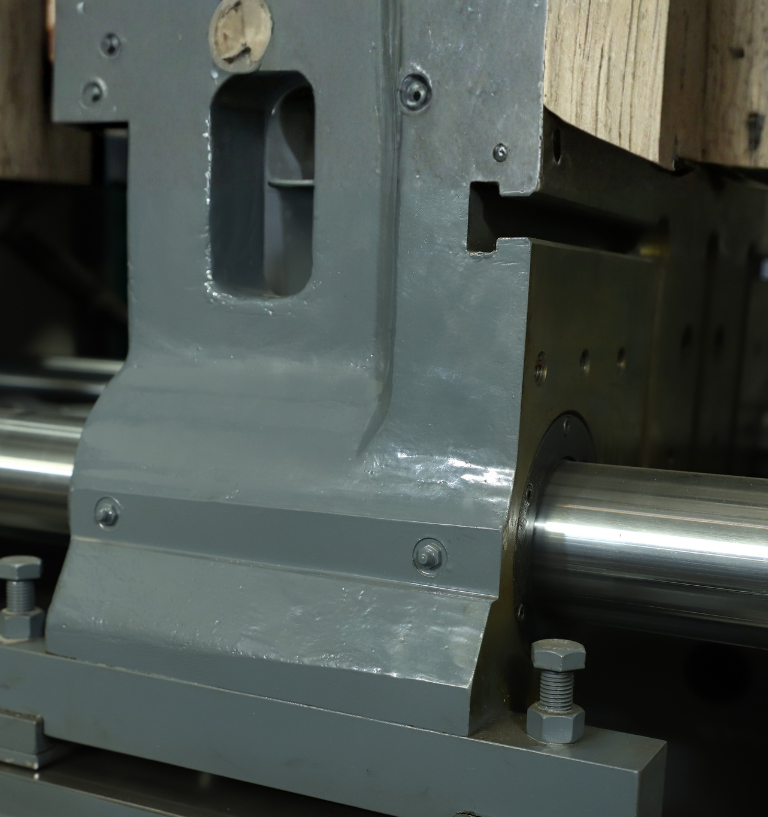
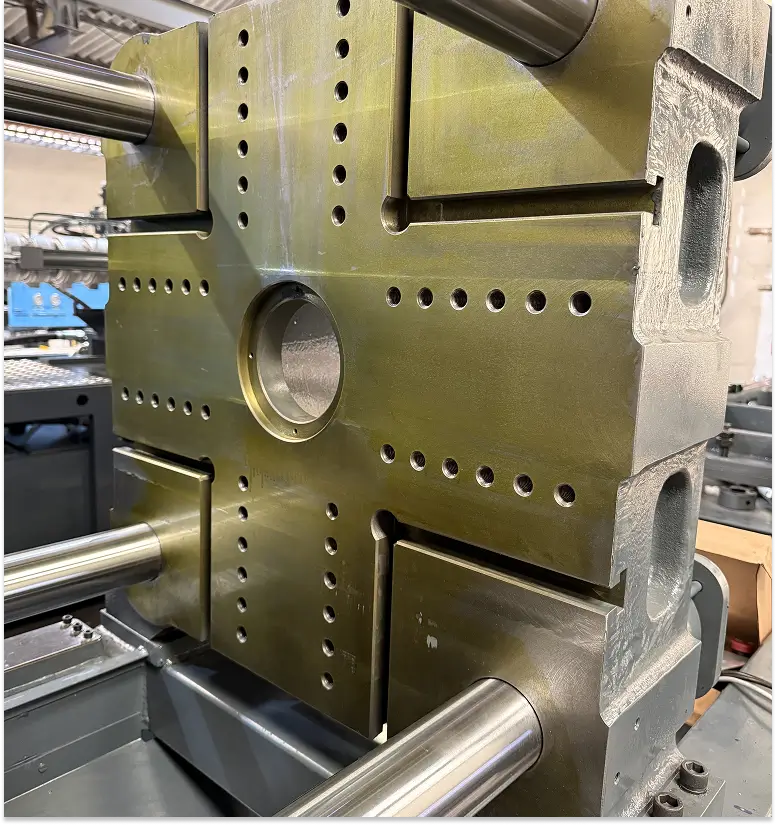
- Robust machine construction
These features contribute to improved manufacturing efficiency while helping reduce production errors and material losses across different applications.
Maintaining PET Injection Molding Equipment
Routine maintenance is essential for preserving machine reliability and ensuring consistent production quality. Preventive servicing helps identify potential issues before they interrupt manufacturing operations.
Recommended maintenance practices include:
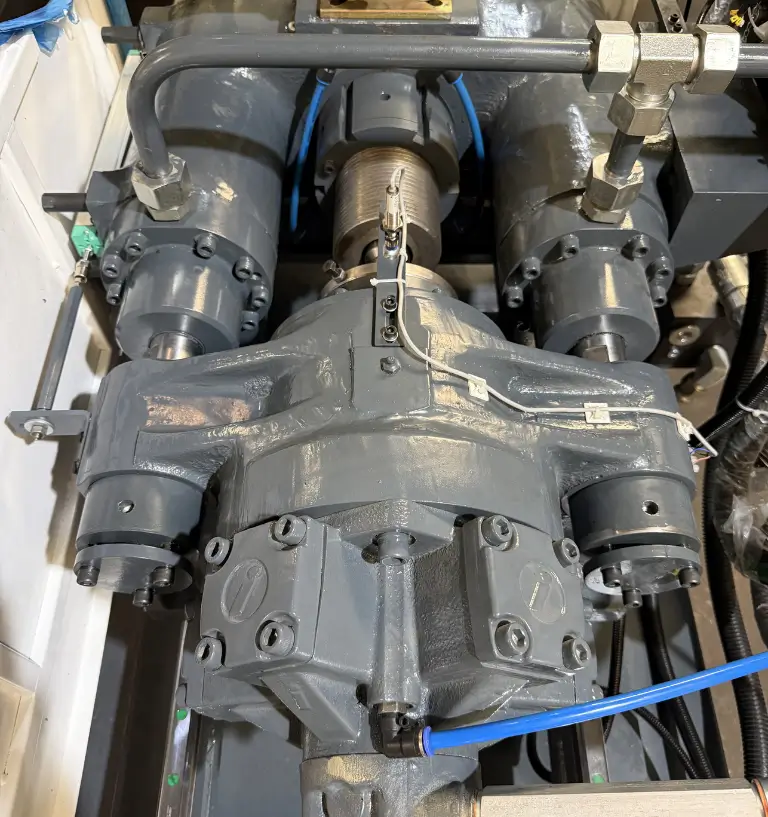
- Inspect hydraulic systems regularly
- Clean molds after production
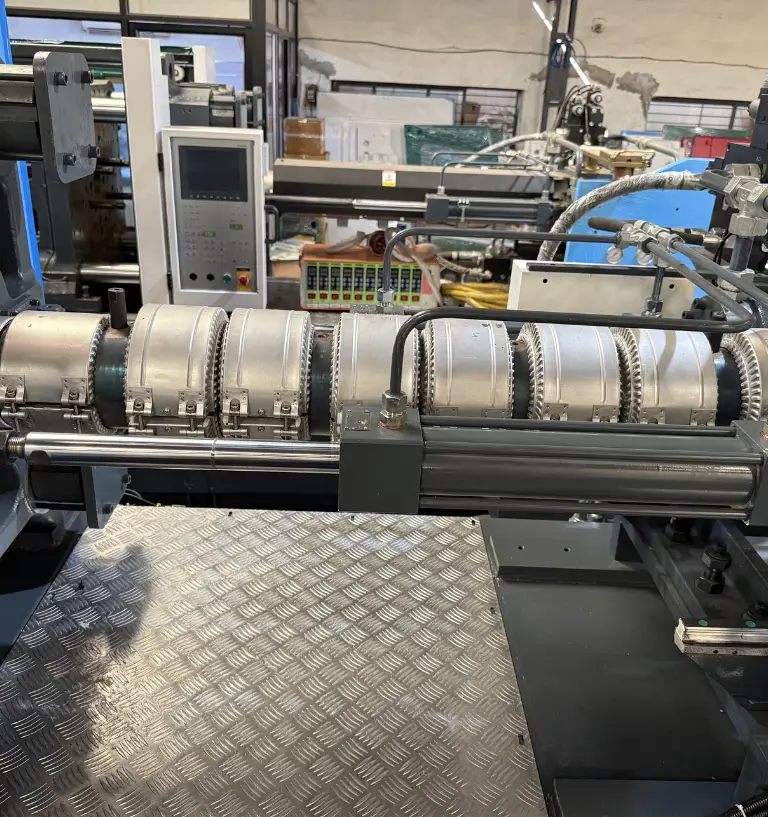
- Monitor heating and cooling performance
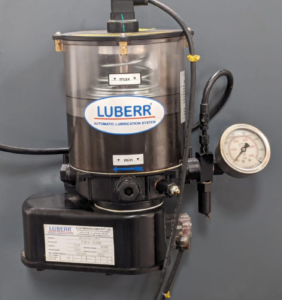
- Lubricate moving components
- Check electrical connections
- Replace worn parts promptly
A structured maintenance schedule supports long-term machine performance while minimizing unexpected downtime and costly repairs.
Frequently Asked Questions
1. What is the purpose of a PET injection moulding machine?
It is used to manufacture PET preforms that are later processed into bottles and other plastic containers through blow molding.
2. Which industries commonly use PET preforms?
PET preforms are widely used in beverage, food, pharmaceutical, cosmetic, and household product packaging.
3. Why is temperature control important during PET molding?
Accurate temperature control helps ensure consistent material flow, dimensional accuracy, and overall product quality.
4. How often should PET injection molding machines be maintained?
Routine inspections and preventive maintenance should be performed regularly to maintain production efficiency and reduce equipment downtime.
5. What factors should manufacturers consider before purchasing equipment?
Production capacity, energy efficiency, automation features, mold compatibility, maintenance requirements, and long-term operational goals should all be evaluated.
Conclusion
PET injection molding technology plays an important role in modern packaging manufacturing by delivering precision, consistency, and efficient production for high-volume applications. Selecting reliable equipment and following a comprehensive maintenance program helps manufacturers improve productivity while maintaining product quality. Working with experienced pet injection moulding machine manufacturers supports long-term manufacturing performance and operational reliability. Esemplast Avinya recognizes the importance of advanced PET molding solutions that help industries achieve efficient production, dependable quality, and sustainable manufacturing practices.
No comment