
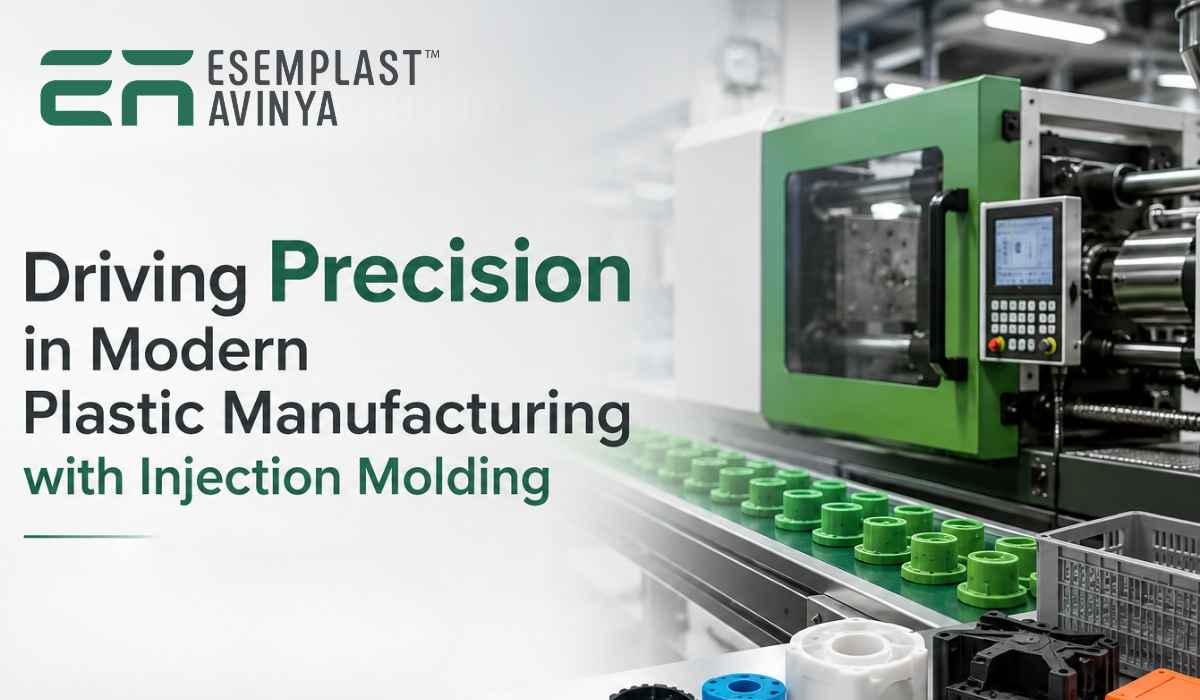
The manufacturing industry depends on efficient production processes to meet growing demands for high-quality plastic components. From automotive parts and medical equipment to consumer products and packaging, precision and consistency are essential for maintaining product standards. injection moulding machine manufacturers have become a cornerstone of modern manufacturing because they enable the production of complex plastic parts with speed, accuracy, and repeatability. By transforming raw plastic material into finished components through controlled molding processes, these machines support large-scale production while minimizing waste and improving operational efficiency. Selecting the right equipment is an important step toward achieving reliable manufacturing outcomes.
Why Injection Molding Plays a Vital Role in Manufacturing
Injection molding has become one of the most widely used manufacturing methods because it offers the ability to produce identical components with high precision. The process is suitable for both simple and intricate product designs across numerous industries.
Some major advantages include:
- High production efficiency
- Consistent product quality
- Reduced material waste
- Excellent dimensional accuracy
- Capability for complex component designs
- Suitable for high-volume manufacturing
These benefits allow manufacturers to maintain productivity while meeting strict quality standards across different applications.
Key Features of a Plastic Injection Moulding Machine
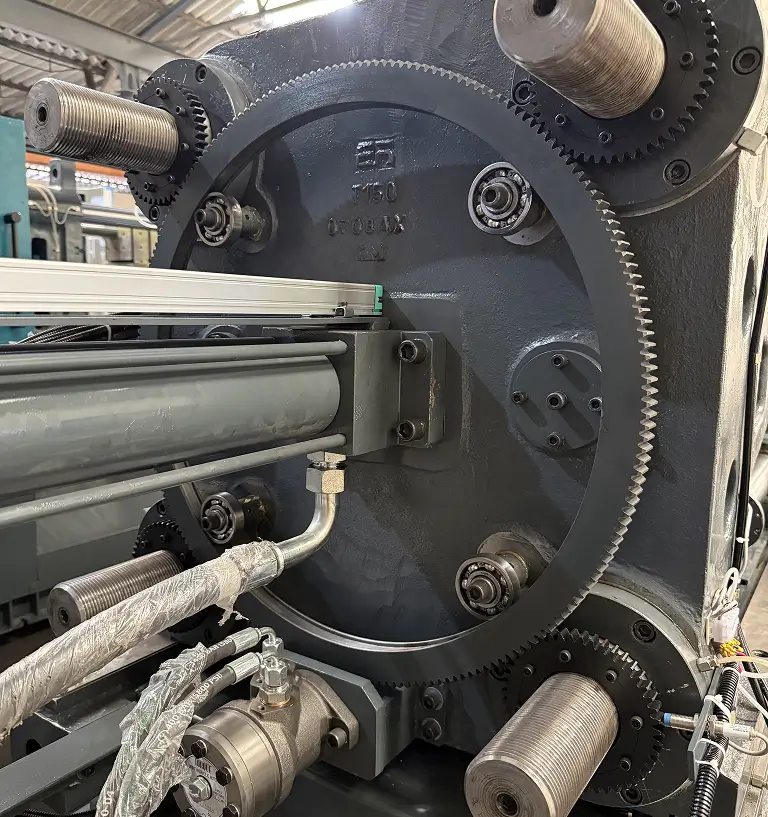
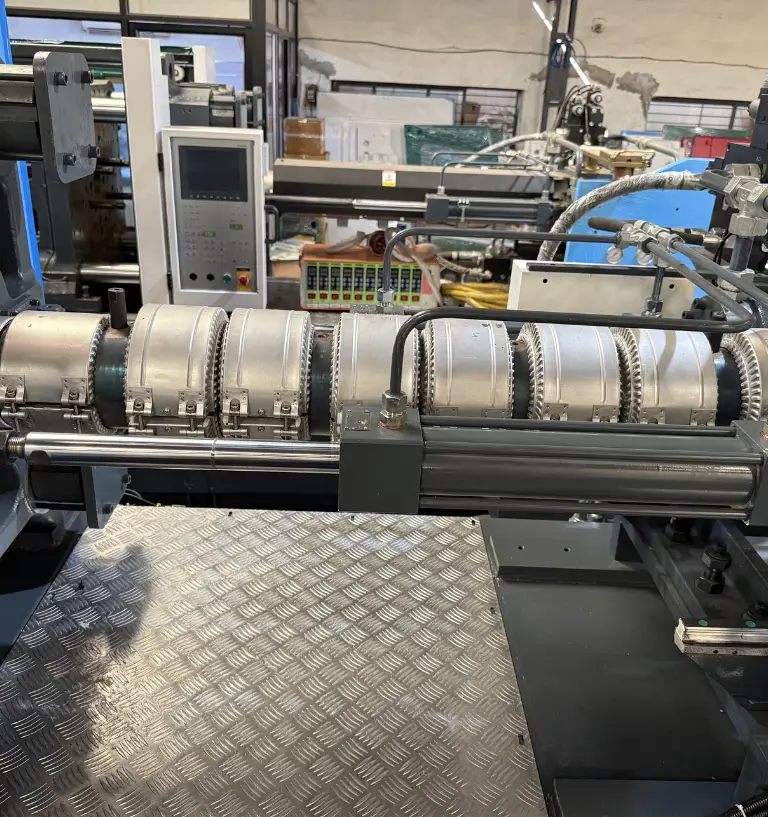
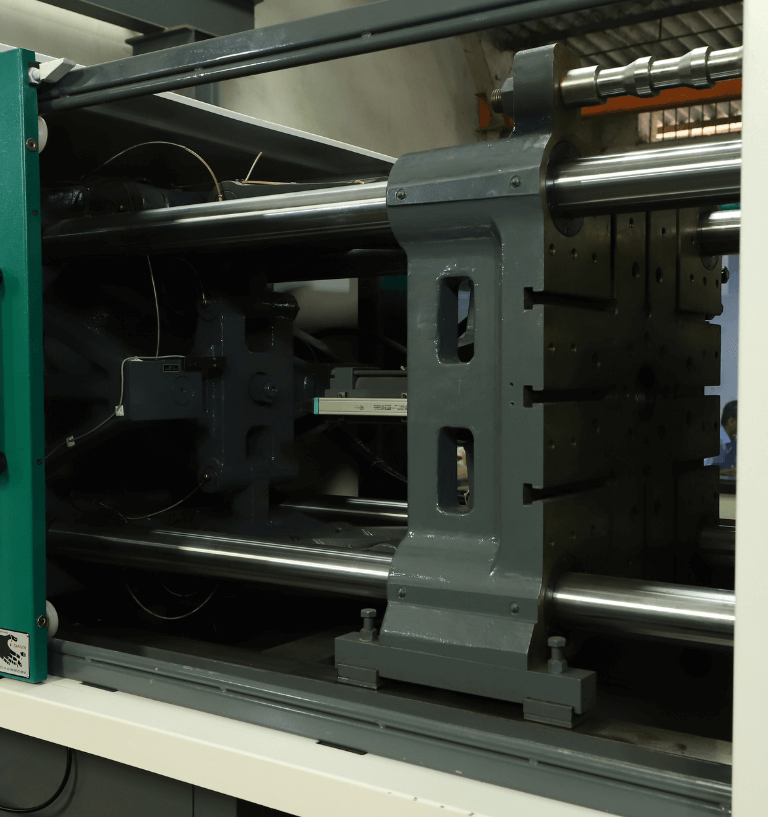
A modern plastic injection moulding machine combines advanced engineering with automated controls to improve production accuracy and operational reliability. Each component of the machine contributes to maintaining consistent molding conditions throughout the manufacturing process.
| Feature | Benefit |
| Precision control system | Improves product consistency |
| Energy-efficient operation | Reduces operating costs |
| Automated production cycle | Increases manufacturing efficiency |
| Accurate temperature management | Supports consistent material flow |
| Durable construction | Enhances long-term reliability |
Selecting equipment with these capabilities helps manufacturers improve productivity while maintaining high-quality output.
Factors to Consider Before Choosing Equipment
Every manufacturing operation has unique production requirements. Evaluating these requirements before selecting equipment helps ensure efficient performance and long-term value.
Important factors include:
- Production volume requirements
- Type of plastic material
- Product dimensions
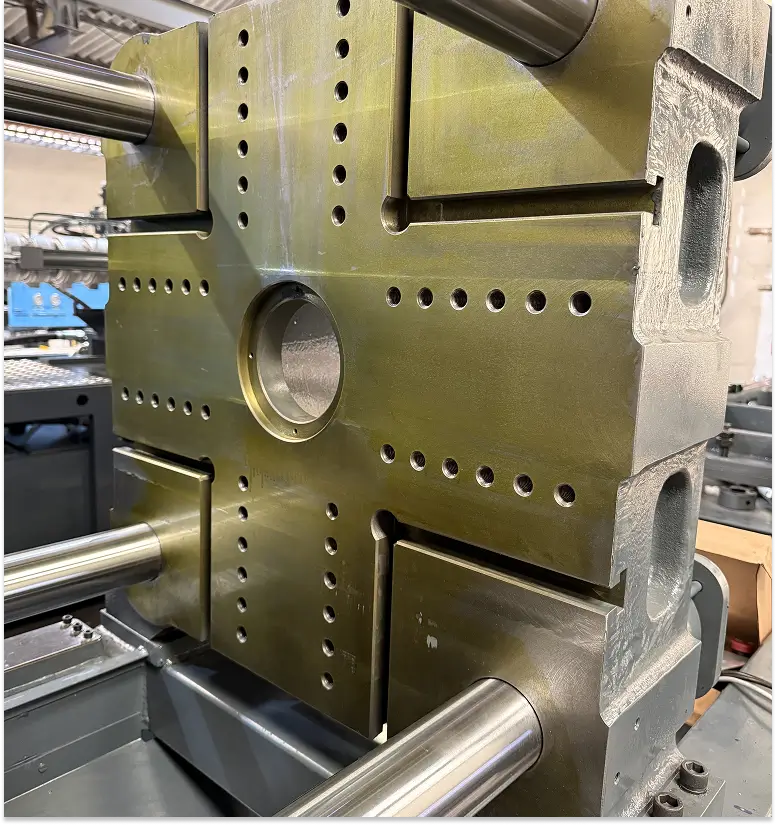
- Mold compatibility
- Energy efficiency
- Maintenance requirements
Careful planning also supports future production expansion while reducing the likelihood of operational interruptions caused by equipment limitations.
How Plastic Injection Moulding Machine Manufacturers Support Industry
Reliable plastic injection moulding machine manufacturers contribute to manufacturing efficiency by developing equipment that combines precision, durability, and advanced automation. Modern machinery is designed to support changing production demands while maintaining consistent quality.
Industries that commonly rely on injection molding include:
- Automotive manufacturing
- Medical device production
- Consumer electronics
- Packaging industry
- Household products
- Industrial equipment
Continuous technological advancements have improved machine performance, enabling manufacturers to increase productivity while maintaining tighter quality control throughout the production process.
Best Practices for Maintaining Injection Molding Equipment
Proper maintenance is essential for preserving machine performance and extending operational life. Routine inspections help identify potential issues before they affect production quality or efficiency.
Recommended maintenance activities include:
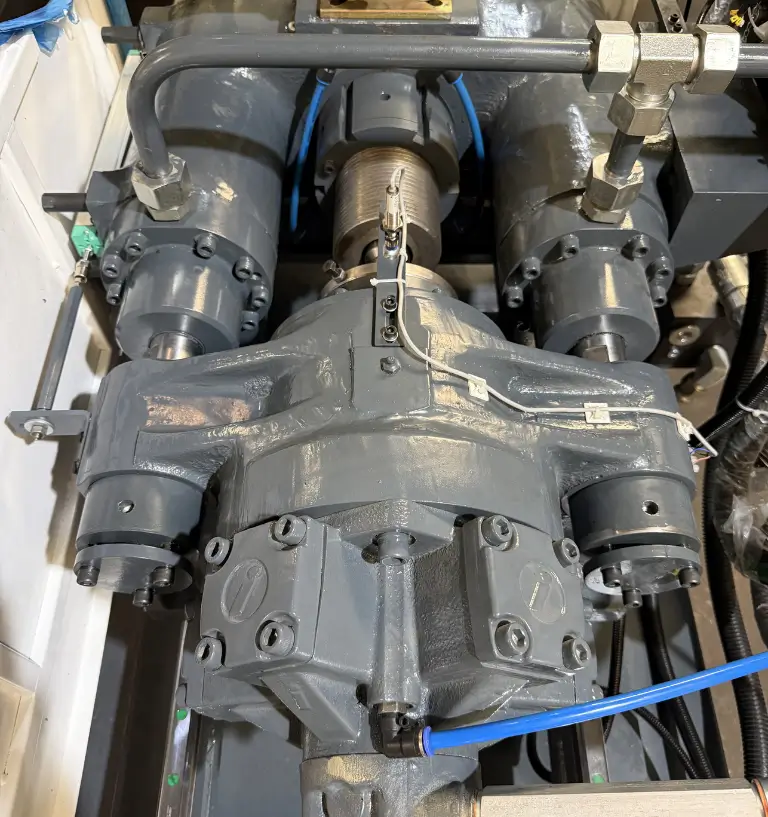
- Inspect hydraulic systems regularly
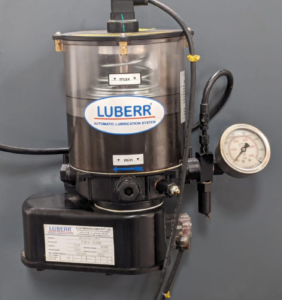
- Monitor machine lubrication
- Clean molds after production cycles
- Check temperature control systems
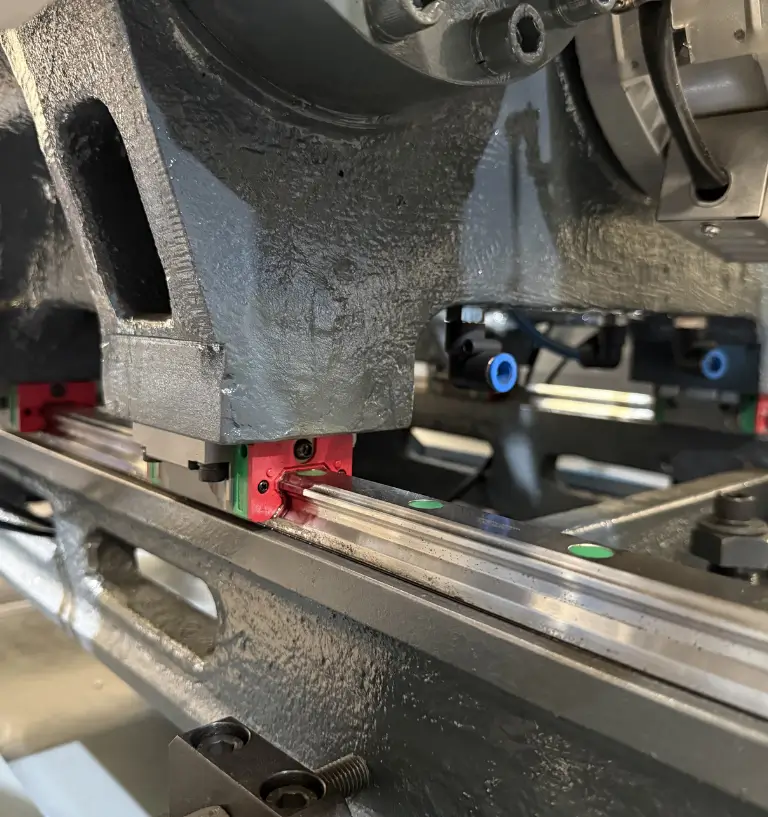
- Verify alignment of moving components
- Replace worn parts promptly
A preventive maintenance program helps minimize downtime while ensuring consistent manufacturing performance over extended periods.
Frequently Asked Questions
1. What industries commonly use injection molding machines?
Injection molding is widely used in automotive, medical, electronics, packaging, consumer goods, and industrial manufacturing.
2. Why is injection molding suitable for large-scale production?
It allows manufacturers to produce identical components quickly, accurately, and efficiently while minimizing material waste.
3. How important is machine maintenance?
Regular maintenance helps maintain production quality, reduces downtime, and extends the operational lifespan of manufacturing equipment.
4. What factors influence machine selection?
Production volume, material type, mold compatibility, energy efficiency, and maintenance requirements all play important roles.
5. Can injection molding produce complex plastic components?
Yes. Modern machines are capable of manufacturing intricate designs with excellent dimensional accuracy and consistent quality.
Conclusion
Injection molding technology continues to play a vital role in modern manufacturing by delivering precision, efficiency, and consistent product quality across a wide range of industries. Selecting the right equipment and maintaining it properly helps manufacturers improve productivity while meeting demanding production standards. Working with experienced injection molding machines supports long-term operational performance and manufacturing reliability. Esemplast Avinya recognizes the importance of advanced molding solutions that contribute to efficient production, dependable quality, and sustainable manufacturing practices.
No comment