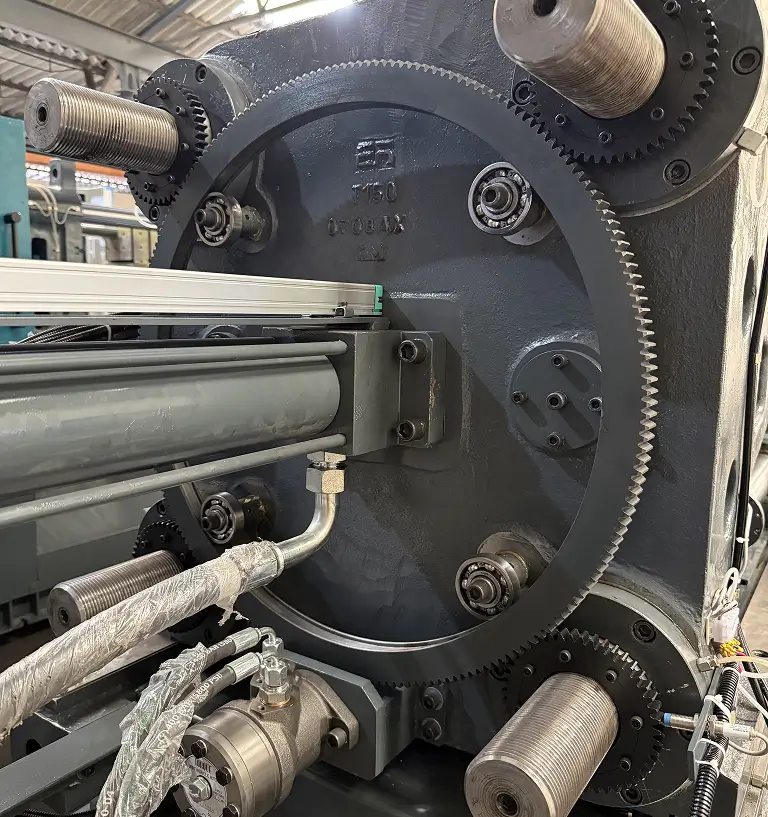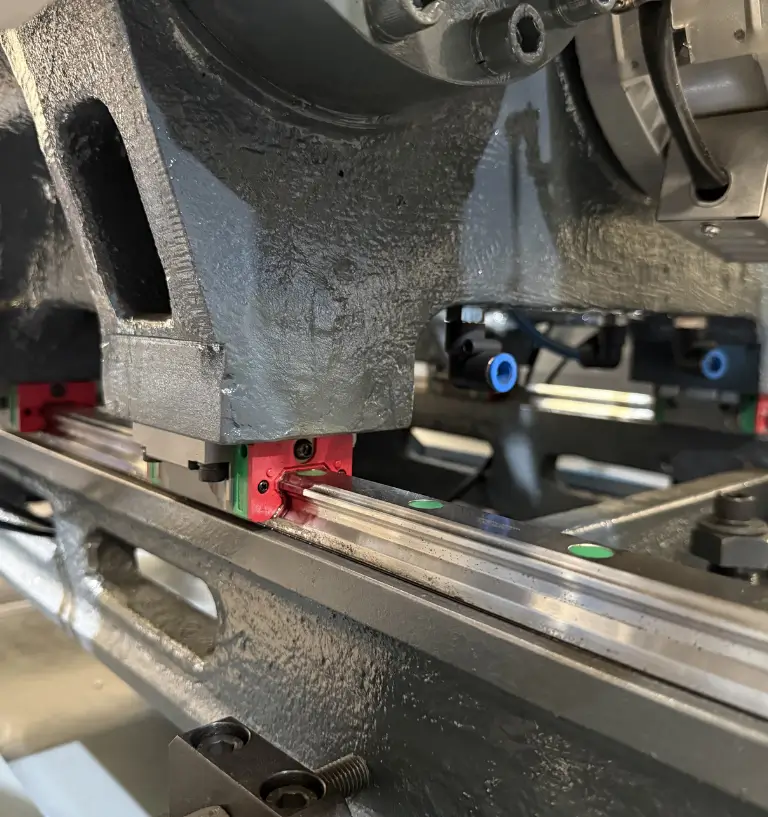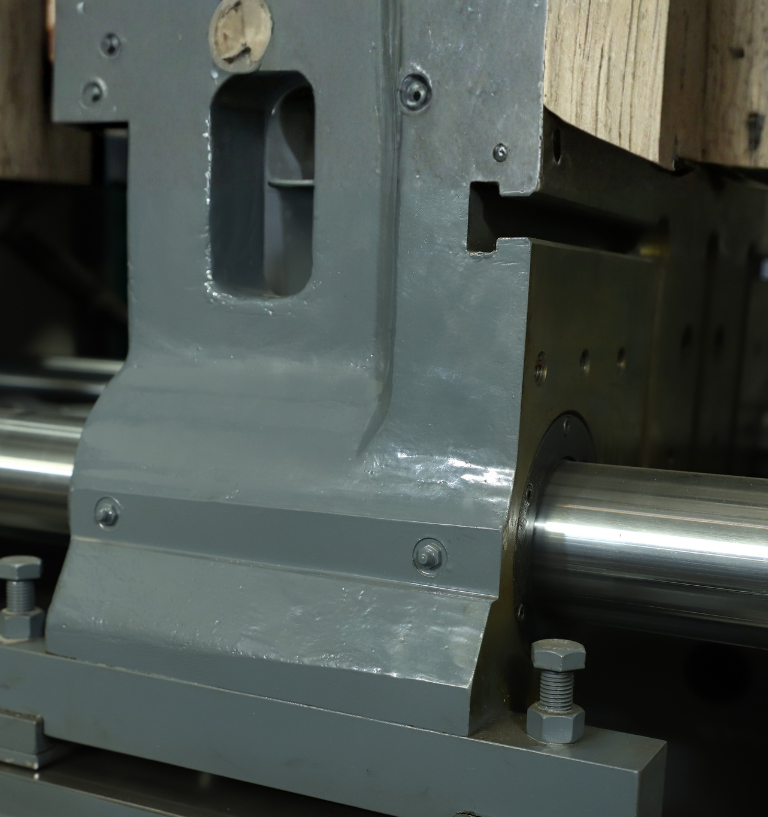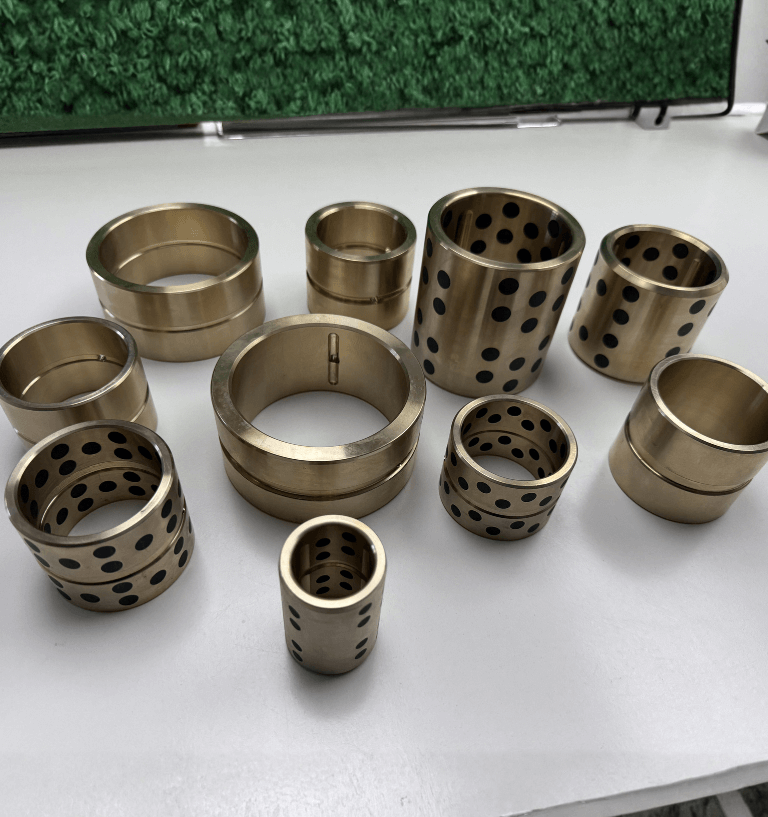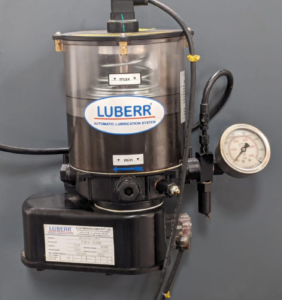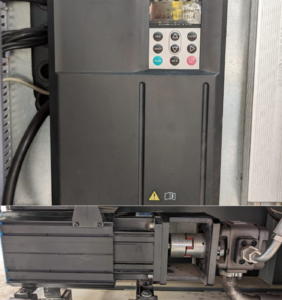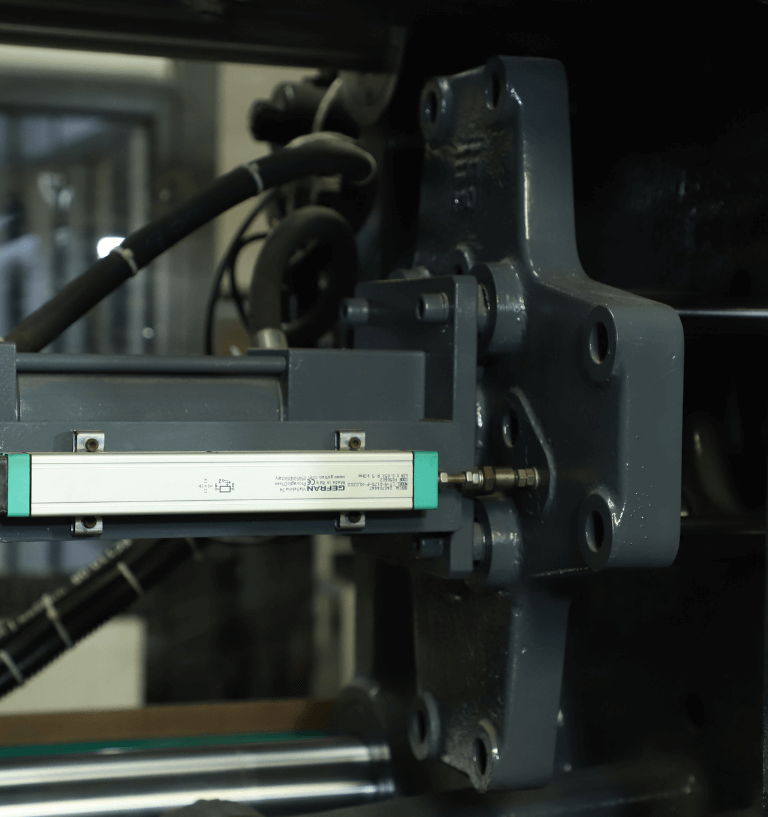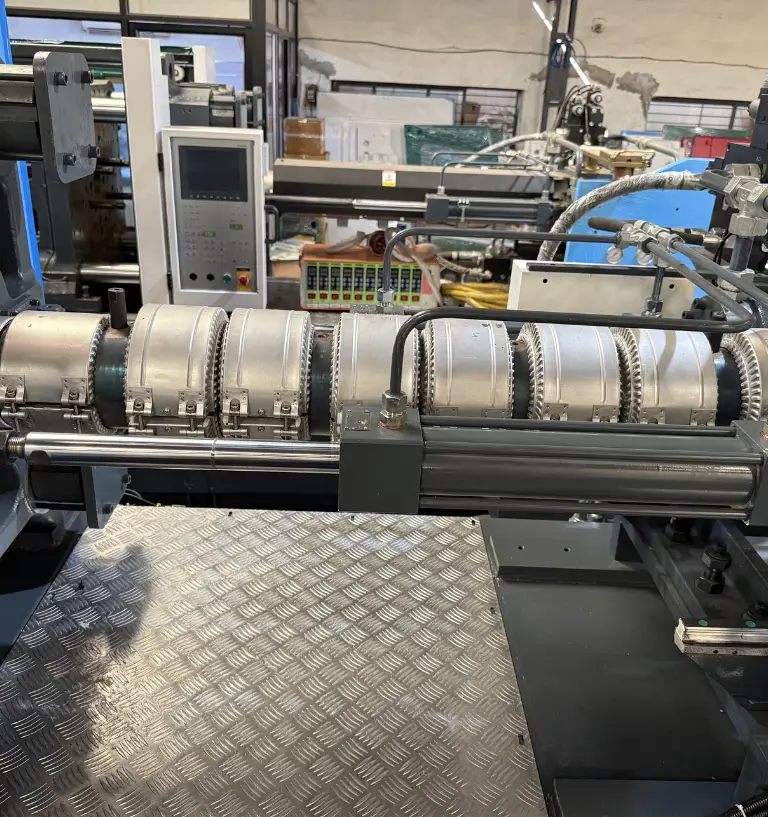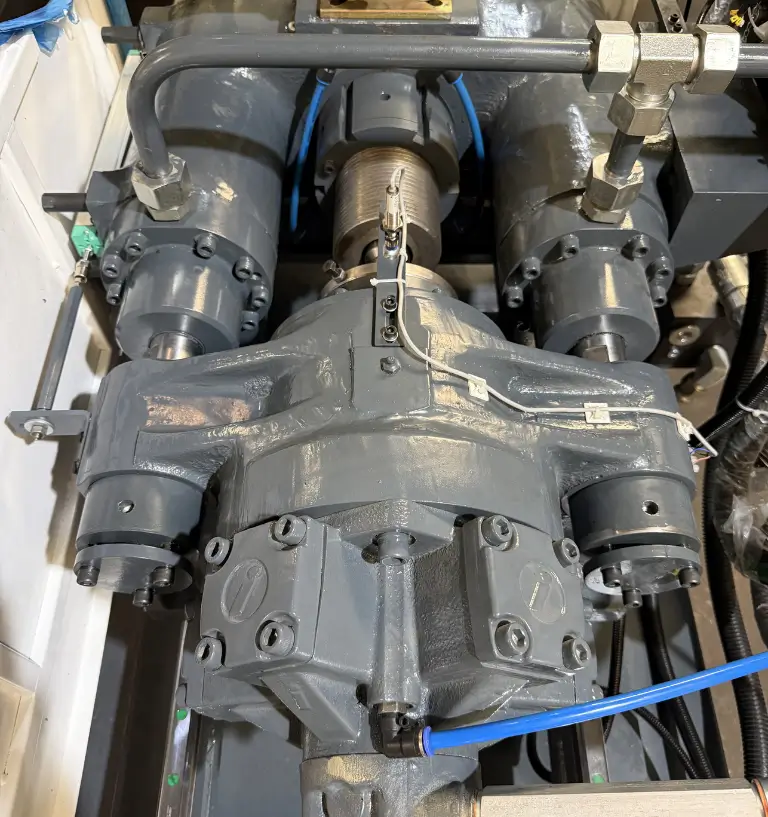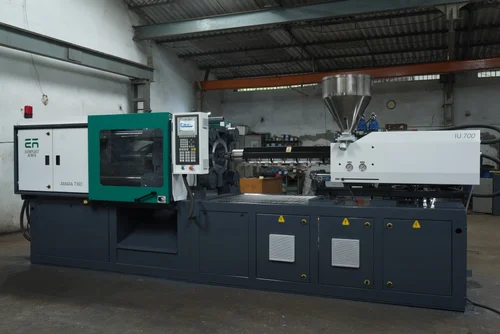
Precision manufacturing has become a defining benchmark for modern industry. From automotive components and medical devices to consumer goods and electronics, consistency and accuracy are no longer optional—they are fundamental expectations. At the core of this evolution lies the role of plastic injection moulding machine manufacturers, whose technologies enable high-volume production while maintaining exacting standards. These systems are not merely tools of fabrication; they are enablers of reliability, scalability, and design integrity.
Precision as a Manufacturing Imperative
Manufacturing environments today operate under strict tolerances. Even minimal variation can affect functionality, safety, and compatibility. Injection moulding technology addresses this challenge by delivering uniform output across thousands or millions of cycles.
The process allows molten material to be shaped within controlled conditions, ensuring dimensional accuracy and repeatability. This consistency supports industries where component reliability directly impacts performance.
Controlled Processes for Consistent Results
Precision is achieved through control—of temperature, pressure, timing, and material flow. Injection moulding systems are engineered to regulate each variable with accuracy.
This control reduces defects such as warping, shrinkage, or incomplete filling. By maintaining stable process parameters, manufacturers achieve predictable outcomes regardless of production scale.
Supporting Complex and Detailed Designs
Modern product design often involves intricate geometries and fine details. Injection moulding technology supports these requirements by enabling the formation of complex shapes within a single cycle.
Thin walls, textured surfaces, and integrated features can be produced without secondary operations. This capability preserves design intent while reducing post-processing variability.
Efficiency Without Compromising Accuracy
High efficiency does not have to come at the expense of precision. Injection moulding systems are designed to optimise cycle times while maintaining quality standards.
Automation and process integration allow rapid production with minimal human intervention, reducing the risk of inconsistency. This balance between speed and accuracy supports competitive manufacturing environments.
Material Versatility and Performance Consistency
Precision manufacturing often requires materials with specific mechanical, thermal, or chemical properties. Injection moulding accommodates a wide range of polymers and composites.
Consistent material handling ensures uniform density and structural integrity across components. This reliability is essential for applications where performance consistency is critical.
Reduced Waste Through Optimised Processes
Precision is closely linked to efficiency in material use. Controlled moulding processes minimise excess material and reduce scrap rates.
Lower waste not only improves cost efficiency but also supports sustainable manufacturing practices. Precision-driven systems contribute to responsible resource utilisation.
Scalability for Industrial Production
Manufacturing demands fluctuate with market conditions. Injection moulding systems offer scalability, allowing production volumes to increase without compromising quality.
Once parameters are established, scaling output becomes a matter of time rather than reconfiguration. This scalability supports long-term manufacturing planning and supply chain stability.
Integration With Automation and Industry Standards
Modern injection moulding systems integrate seamlessly with automation, robotics, and digital monitoring tools. This integration enhances process transparency and quality assurance.
Real-time data tracking supports preventive maintenance and continuous improvement, further reinforcing precision across production cycles.
Tooling Accuracy and Longevity
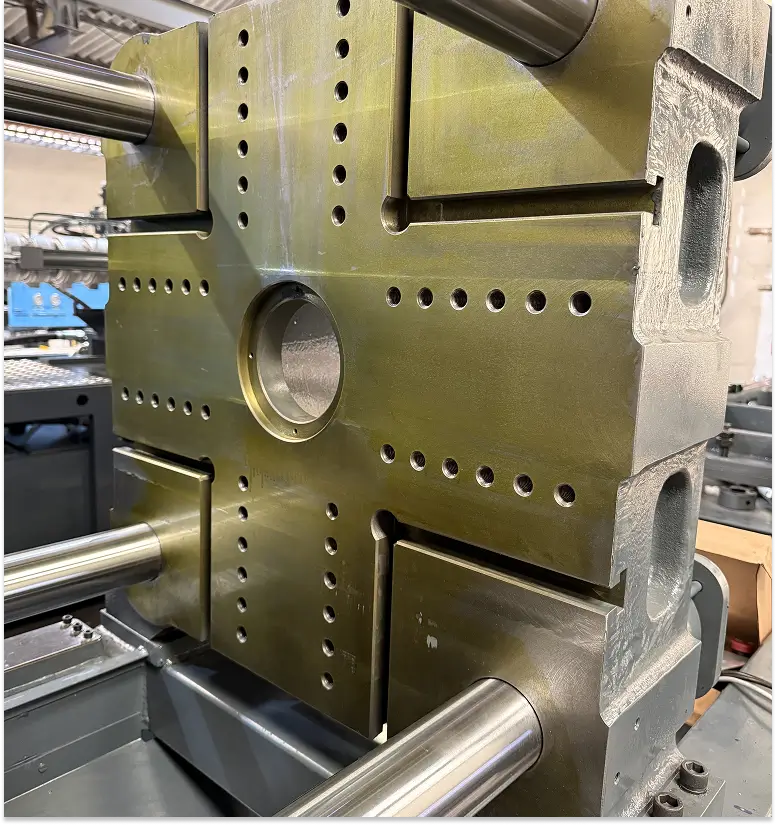
Precision manufacturing relies heavily on tooling quality. Injection moulding systems are designed to work with high-accuracy moulds that maintain tolerances over extended use.
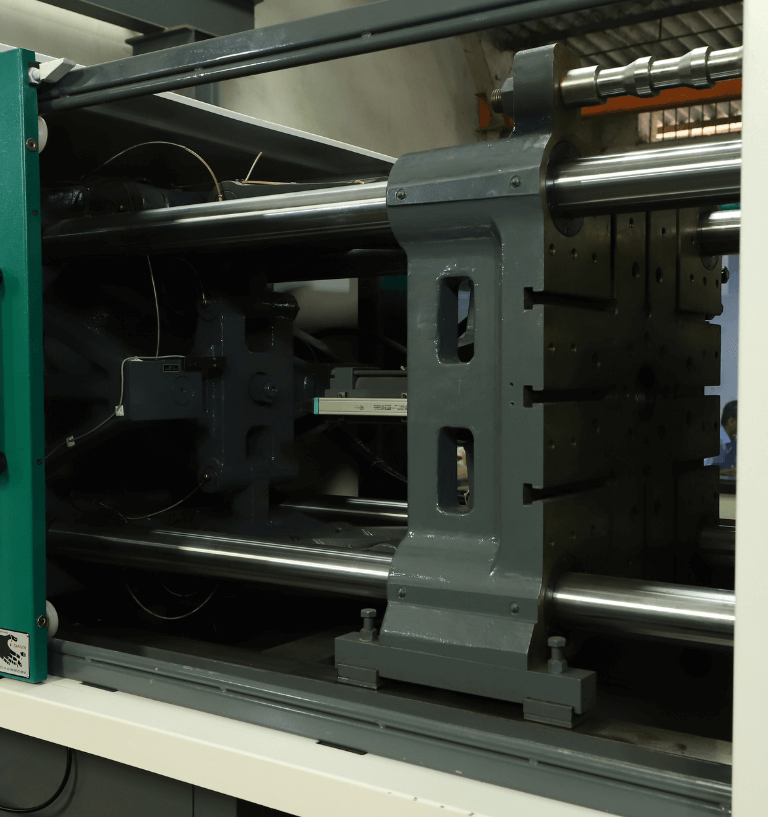
Stable clamping and uniform pressure distribution protect tooling integrity, ensuring consistent output over long production runs.
Application Across Critical Industries
Industries such as healthcare, automotive, and electronics demand uncompromising precision. Injection moulding technology supports these sectors by delivering components that meet regulatory and performance standards.
From safety-critical parts to finely detailed housings, precision remains central to functional reliability.
Process Repeatability and Quality Assurance
Repeatability is a defining advantage of injection moulding. Once optimised, a plastic injection moulding machine can reproduce identical components with minimal deviation.
This repeatability simplifies quality assurance processes and builds confidence across supply chains.
Why Injection Moulding Machines Are Central to Precision Manufacturing
- High dimensional accuracy and repeatability
- Controlled processing variables
- Support for complex component design
- Efficient large-scale production
- Reduced waste and material variation
Conclusion: Precision That Shapes Modern Manufacturing
Precision manufacturing depends on systems that combine control, consistency, and scalability. Injection moulding technology fulfils these requirements by delivering reliable output across diverse applications and volumes. As industries continue to demand tighter tolerances and higher efficiency, the role of plastic injection moulding machine manufacturers in india becomes increasingly significant in supporting global production standards. Within this evolving industrial landscape, Esemplast Avinya reflects the importance of engineering-focused solutions that prioritise accuracy, reliability, and long-term manufacturing value.