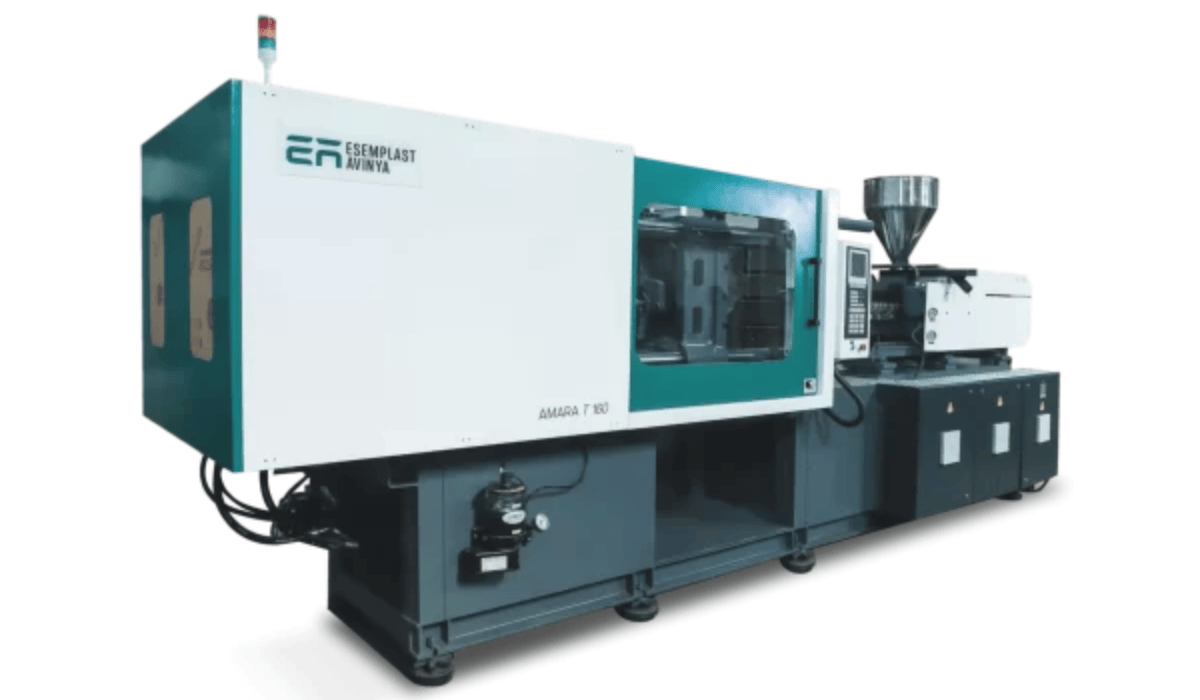
Modern manufacturing relies heavily on precision, consistency, and scalability. Industries such as automotive, packaging, consumer goods, electronics, and healthcare require high-quality plastic components produced in large volumes.
These machines are designed to convert raw plastic material into finished components using controlled heat, pressure, and moulding cycles. Their ability to produce complex shapes with minimal waste makes them a preferred choice for manufacturers across multiple industries.
How Injection Moulding Machines Support Industrial Production
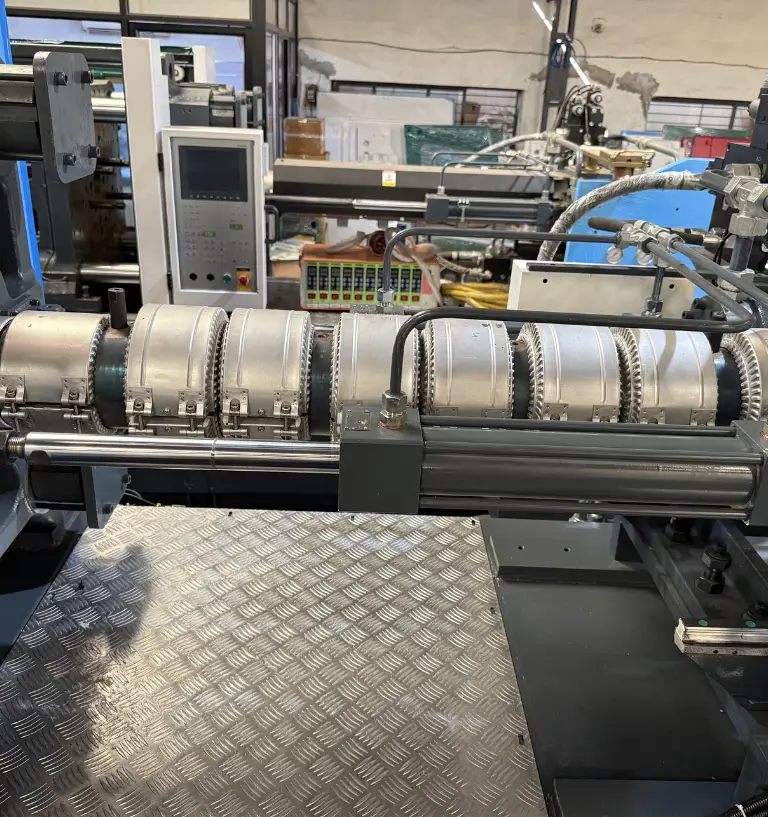
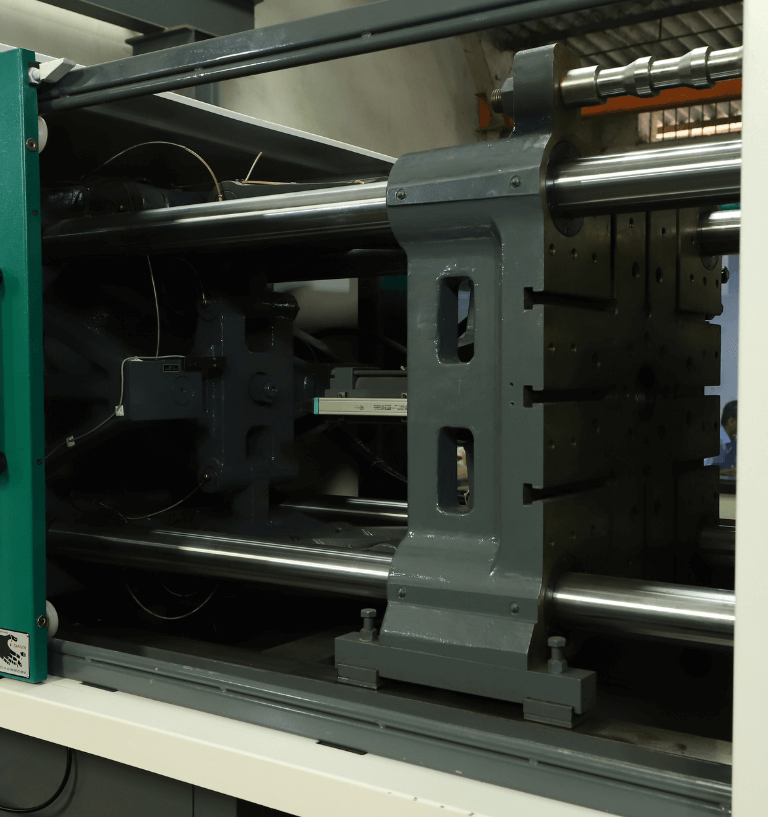
The manufacturing process using injection molding machines involves melting plastic granules and injecting the molten material into a mould cavity. Once cooled, the plastic takes the desired shape and is ejected as a finished component. This process ensures uniformity and repeatability, which is essential for mass production.
Industries benefit from this technology because it offers:
- High production speed
- Consistent product quality
- Minimal material wastage
- Ability to create complex shapes
- Reduced manual intervention
- Scalable manufacturing capability
These advantages make injection moulding one of the most efficient production methods in modern industry.
Key Features
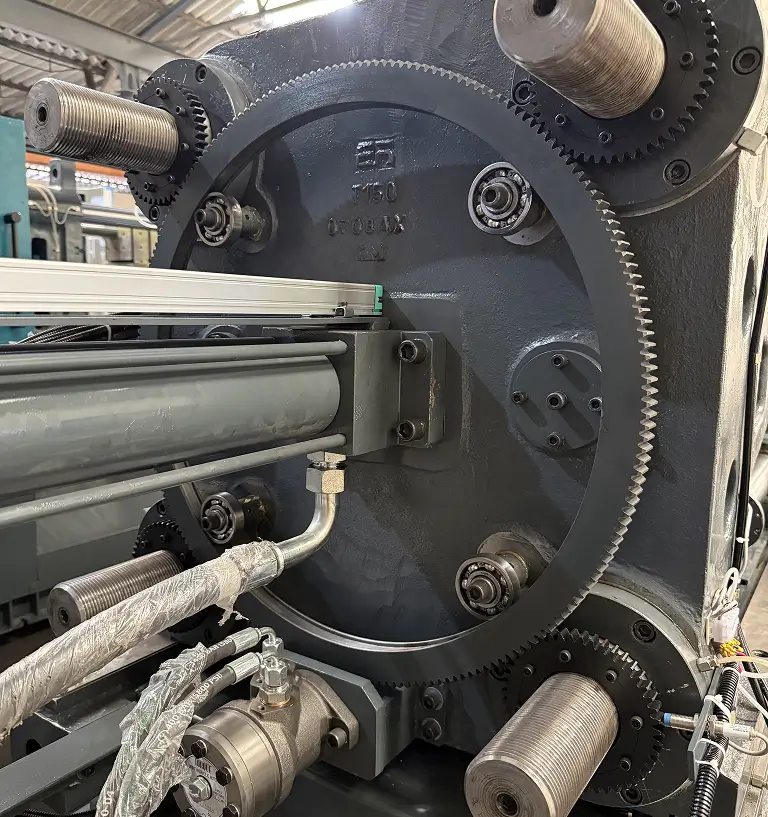
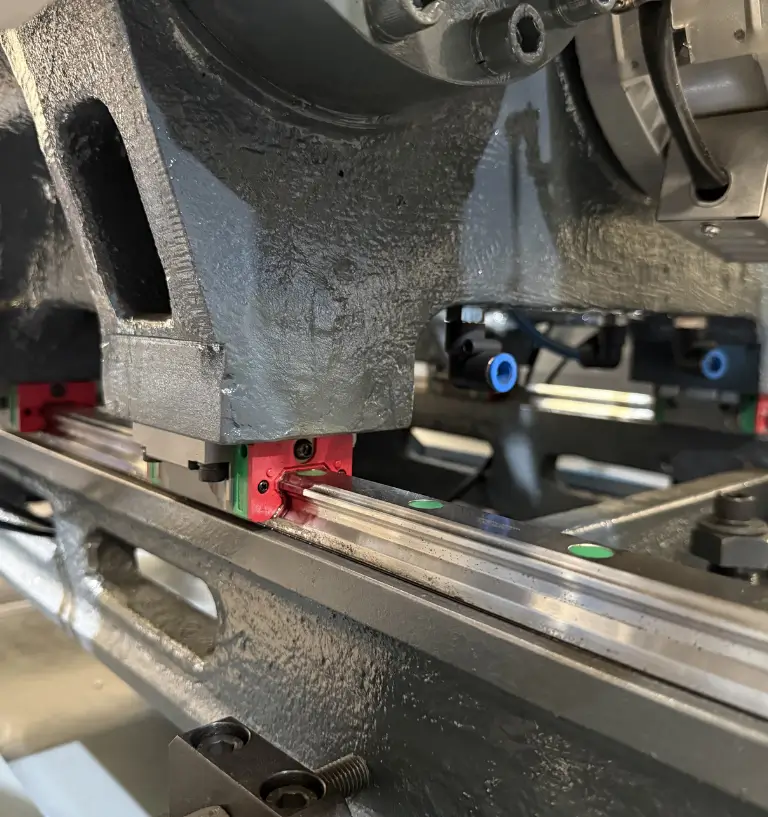
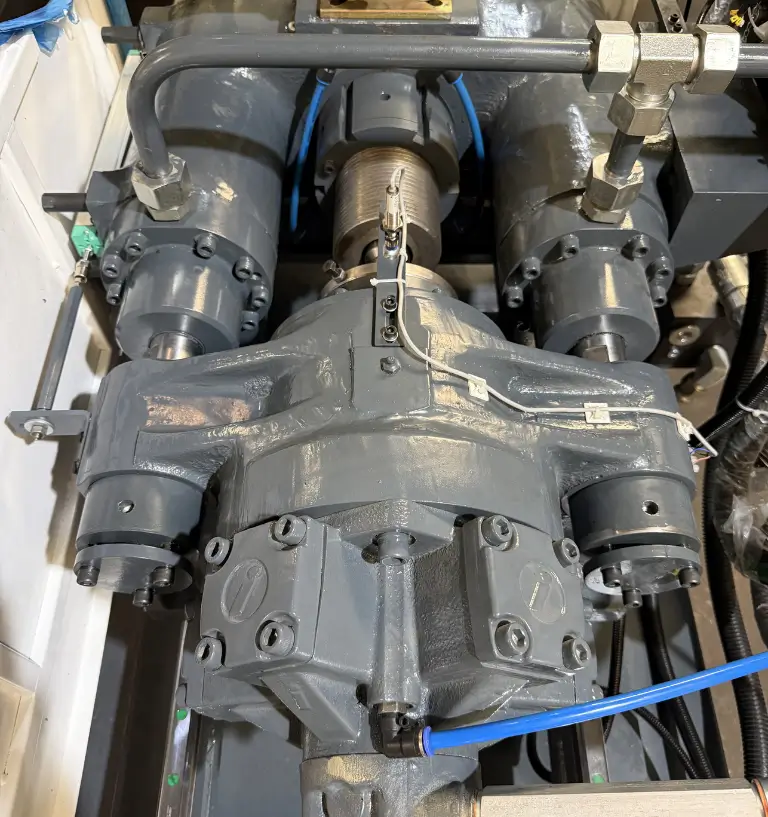
Today’s plastic injection moulding machine manufacturers focus on developing equipment that improves productivity while reducing operational costs. Advanced machines are equipped with intelligent control systems, precision injection units, and energy-efficient motors.
Important features typically include:
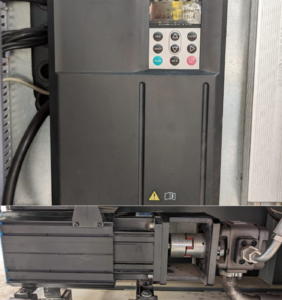
- Servo-driven hydraulic systems
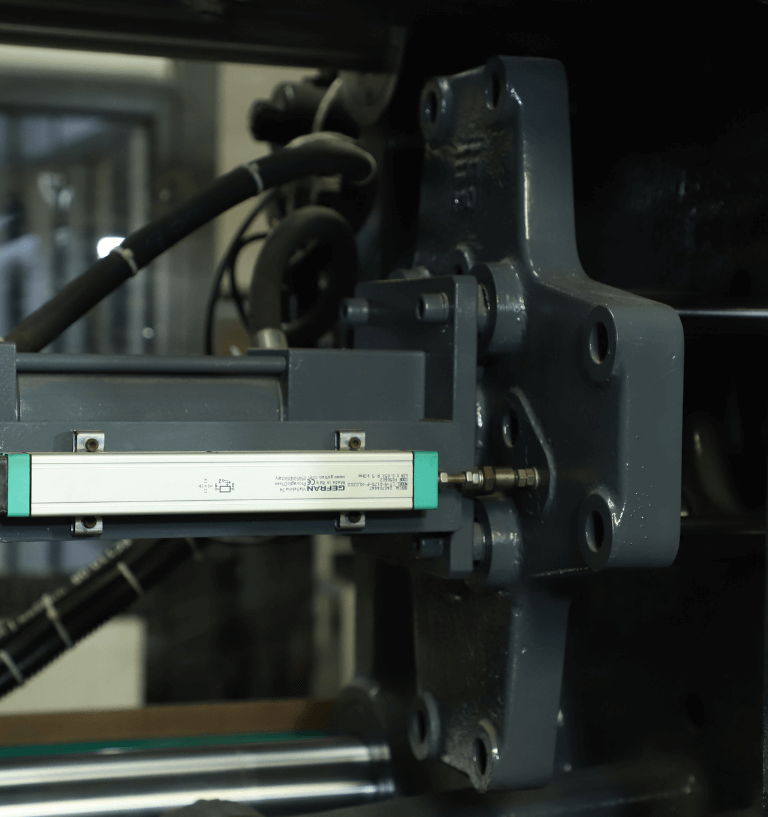
- High precision temperature control
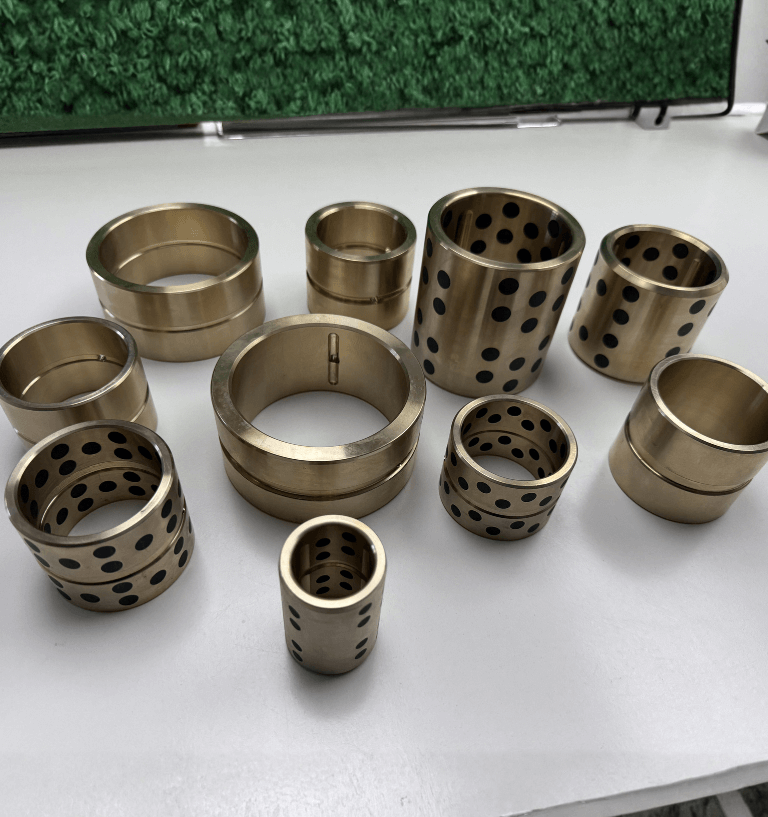
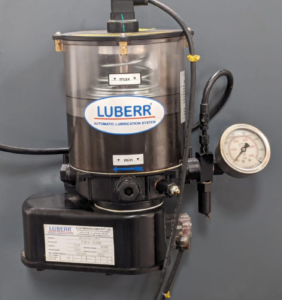
- Automatic lubrication systems
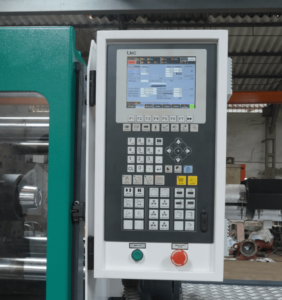
- Digital monitoring interfaces
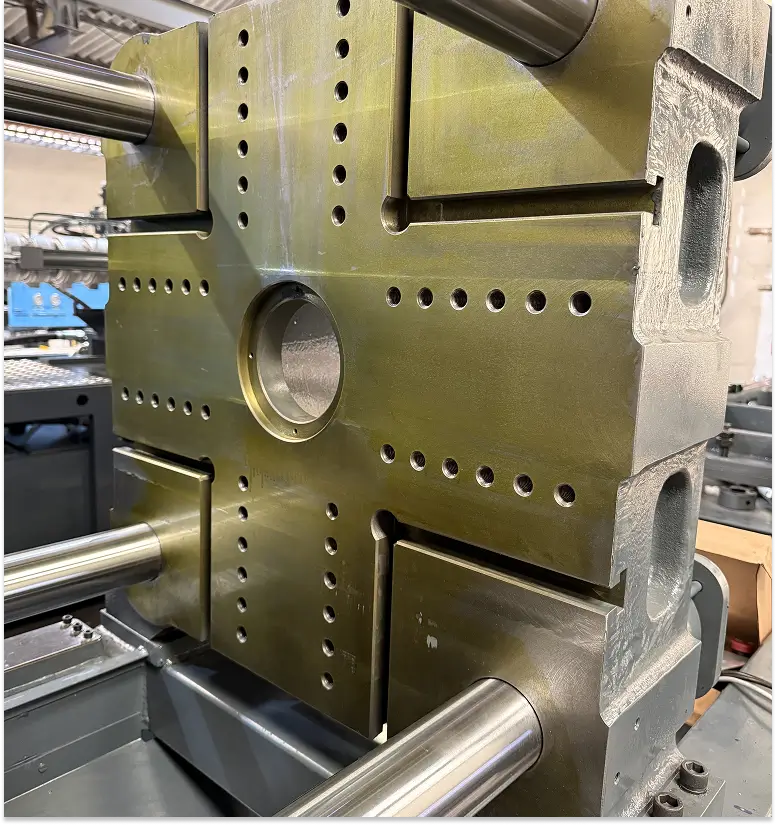
- Fast clamping mechanisms
- Low energy consumption technology
These features help manufacturers maintain smooth operations and improve overall production performance.
Benefits of Investing in Advanced Machinery
Companies that invest in modern plastic injection moulding machine technology experience improved operational efficiency. These machines are designed to reduce downtime and increase production accuracy.
Major benefits include:
- Improved product consistency
- Faster production cycles
- Reduced labour requirements
- Better material utilization
- Long machine lifespan
- Lower maintenance costs
These advantages allow manufacturers to remain competitive in demanding markets.
Comparing Conventional and Advanced Machines
Businesses often compare different machine types before making a decision. The table below highlights the differences between conventional and modern injection moulding machines.
| Feature | Conventional Machines | Advanced Machines |
| Energy Efficiency | Moderate | High |
| Automation | Limited | Advanced automation |
| Precision | Standard tolerance | High precision control |
| Cycle Time | Slower | Faster production |
| Monitoring | Manual | Digital monitoring |
| Maintenance | Frequent | Reduced maintenance |
Choosing the right machine depends on production requirements, budget, and long-term operational goals.
Growth of the Injection Moulding Industry in India
The demand for high-quality plastic components continues to rise, increasing the need for reliable plastic injection moulding machine manufacturers in India. The country has developed strong engineering capabilities and manufacturing infrastructure to support industries of all sizes.
Indian manufacturers focus on:
- Energy-efficient machine design
- Advanced automation integration
- Customizable machine configurations
- Strong after-sales support
- Durable machine construction
These developments help businesses improve productivity while maintaining consistent quality standards.
Factors to Consider When Selecting a Machine
Choosing the right equipment requires evaluating multiple aspects of production. Businesses should consider the following factors:
- Production volume requirements
- Type of plastic material used
- Product size and complexity
- Automation needs
- Energy consumption goals
- Floor space availability
Frequently Asked Questions
1. What industries use plastic injection moulding machines?
These machines are widely used in automotive, packaging, electronics, healthcare, household products, and industrial manufacturing sectors.
2. How does injection moulding improve production efficiency?
It allows high-speed manufacturing with consistent quality, reduced waste, and minimal manual intervention.
3. Are modern machines energy efficient?
Yes, most modern machines use servo motors and optimized hydraulic systems that reduce energy consumption significantly.
4. What factors affect machine selection?
Production volume, material type, product complexity, automation level, and available space are key factors to consider.
5. Do manufacturers provide customization options?
Yes, many companies offer customized machine configurations based on specific production requirements.
Conclusion
Selecting the right manufacturing technology plays a crucial role in improving production quality and operational efficiency. Businesses benefit from machinery that delivers precision, durability, and long-term performance.
Esemplast Avinya provides advanced moulding solutions designed to meet evolving industrial requirements. With a focus on innovation, reliability, and engineering excellence, the company supports manufacturers in achieving consistent output and sustainable growth.