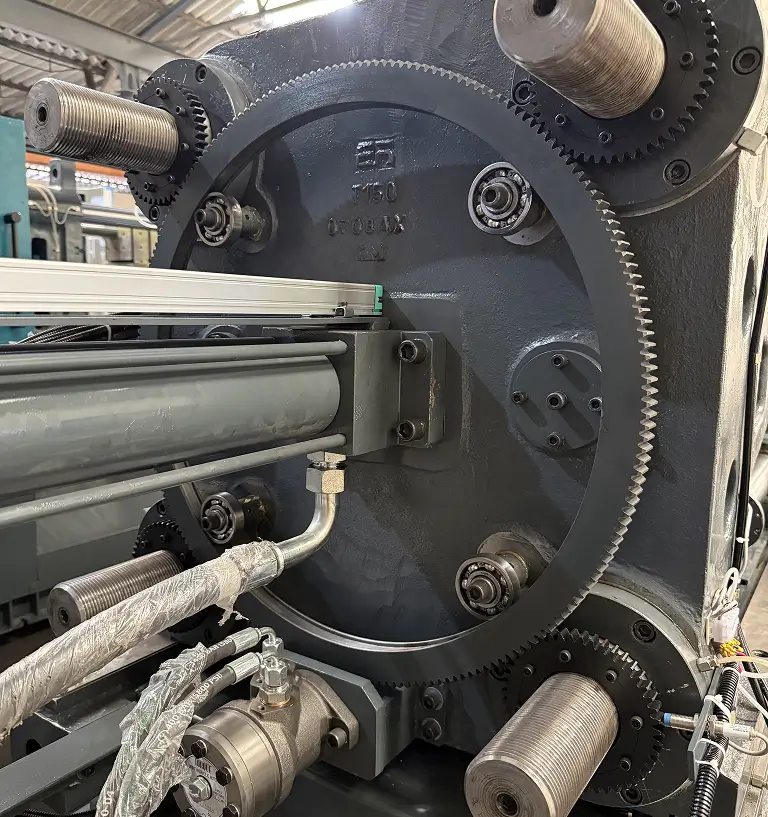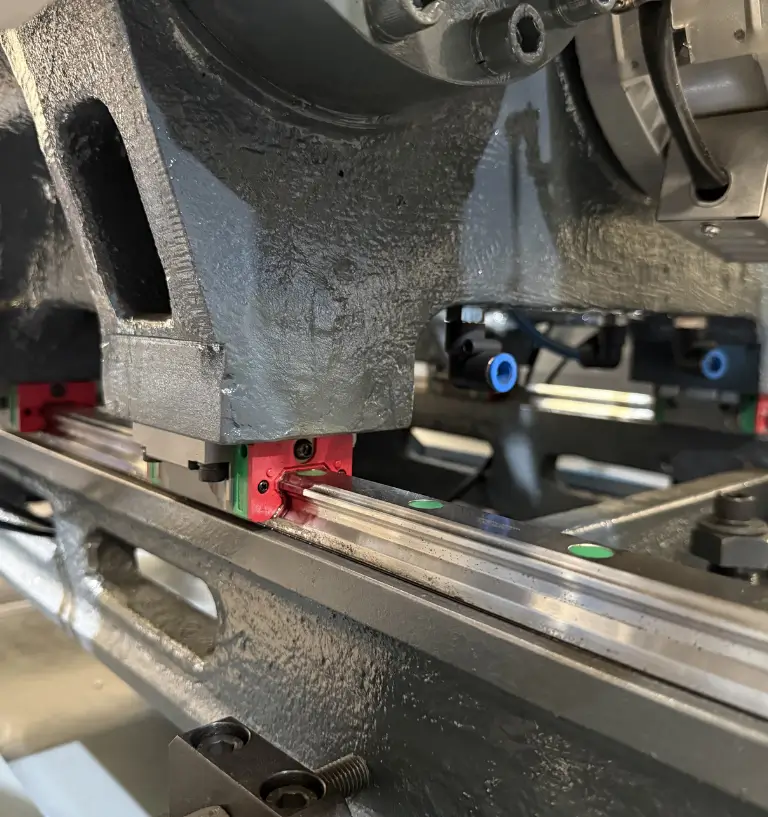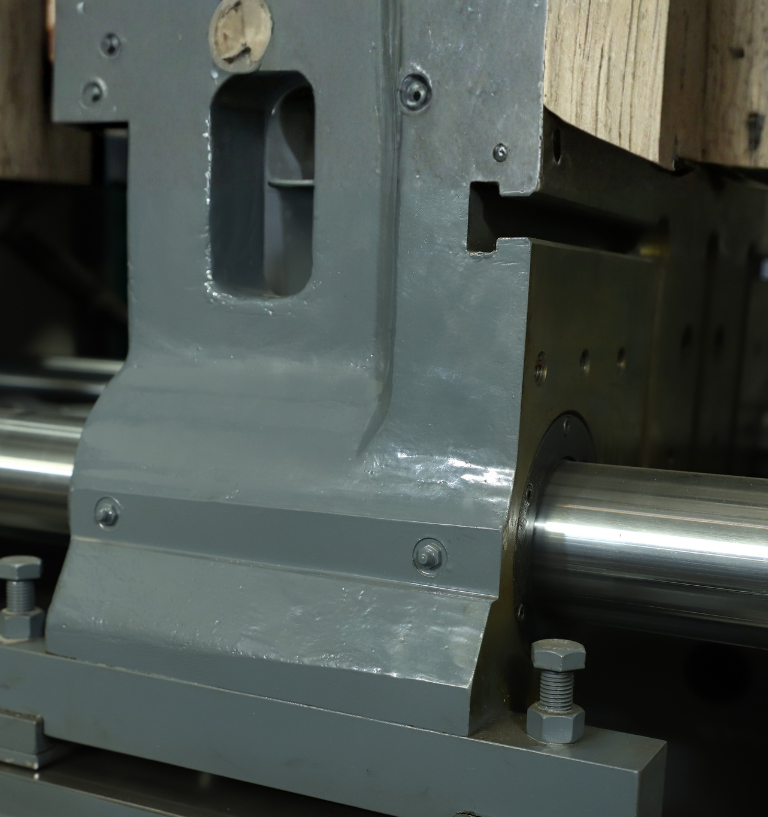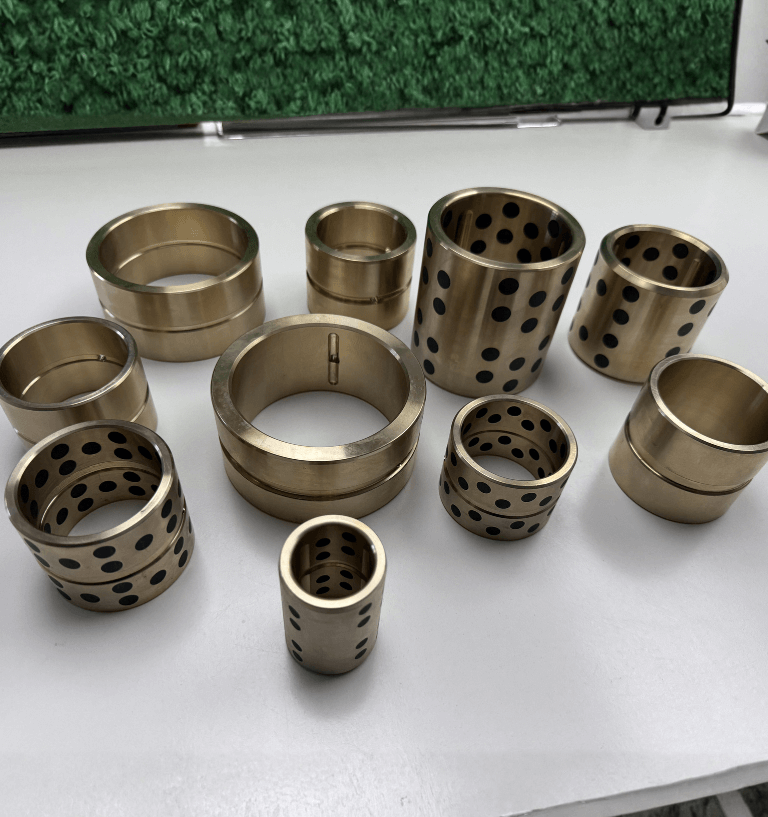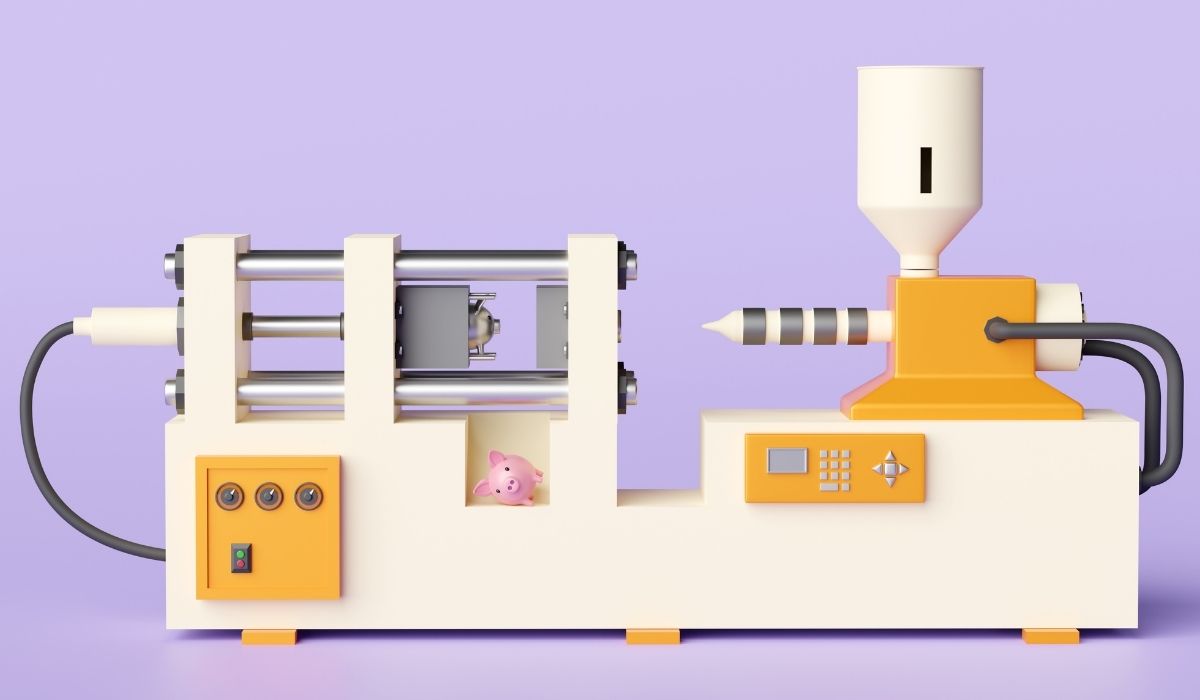
Modern manufacturing relies on precision, efficiency, and scalability to meet the growing demand for high-quality products. Among the many technologies shaping this landscape, injection-based production systems have become a cornerstone for creating consistent and complex components. These systems are widely used across industries such as automotive, healthcare, packaging, and consumer goods. Businesses often explore options from plastic injection moulding machine manufacturers in india to meet evolving production needs while maintaining quality and cost control.
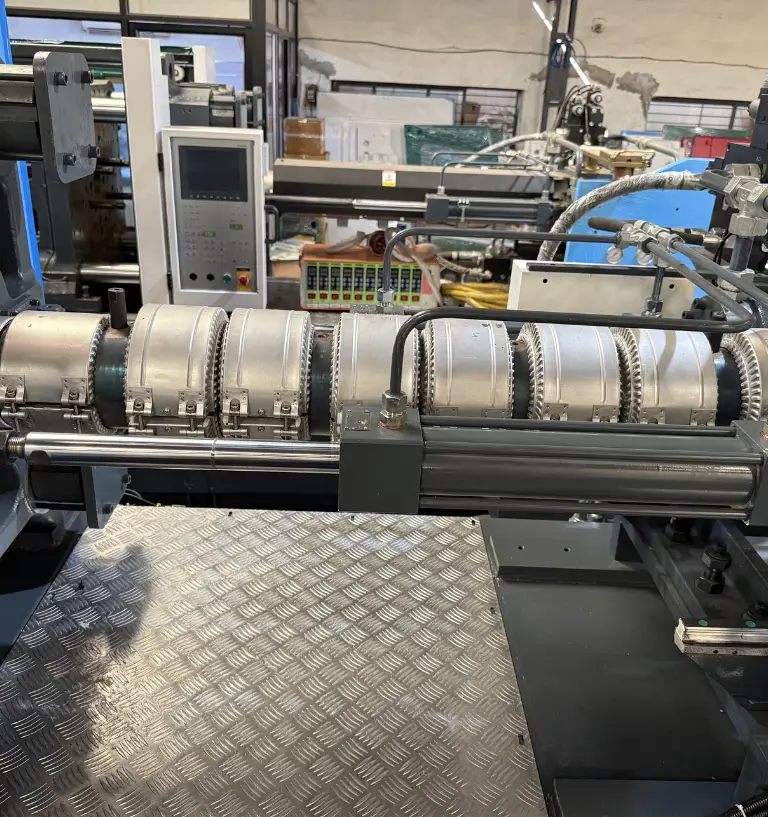
At its core, this manufacturing process involves melting raw material and injecting it into a mold cavity where it cools and solidifies into a desired shape. This approach allows for mass production with minimal variation, making it highly suitable for industries that require uniformity and speed. Over time, technological advancements have significantly improved the efficiency and accuracy of these systems, allowing companies to produce intricate designs with tight tolerances.
How Injection-Based Systems Drive Efficiency in Production
One of the most significant advantages of this technology is its ability to produce large volumes with consistent quality. Once the mold is designed and set, the process can run continuously with minimal supervision. This reduces labor costs and increases overall productivity. Automation features, such as robotic part removal and real-time monitoring, further enhance efficiency and reduce human error.
Another key aspect is material versatility. These systems can handle a wide range of thermoplastics, enabling manufacturers to choose materials based on strength, flexibility, durability, or cost. This flexibility allows industries to create products tailored to specific applications without compromising performance.
Around this stage of industrial adoption, many businesses begin to explore options offered by plastic injection moulding machine manufacturers to upgrade their production capabilities. This shift often results in improved output rates, better product quality, and reduced waste, all of which contribute to sustainable manufacturing practices.
Key Benefits of Injection-Based Manufacturing
- High precision: Capable of producing complex shapes with tight tolerances
- Scalability: Ideal for both small and large production volumes
- Material efficiency: Minimizes waste through controlled usage
- Automation compatibility: Integrates easily with modern automated systems
- Cost-effectiveness: Reduces per-unit cost in mass production
These advantages make it a preferred choice for industries aiming to optimize operations while maintaining consistency.
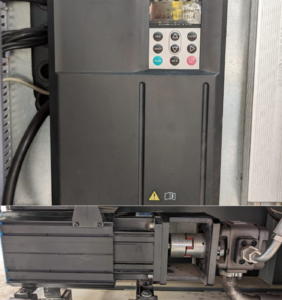
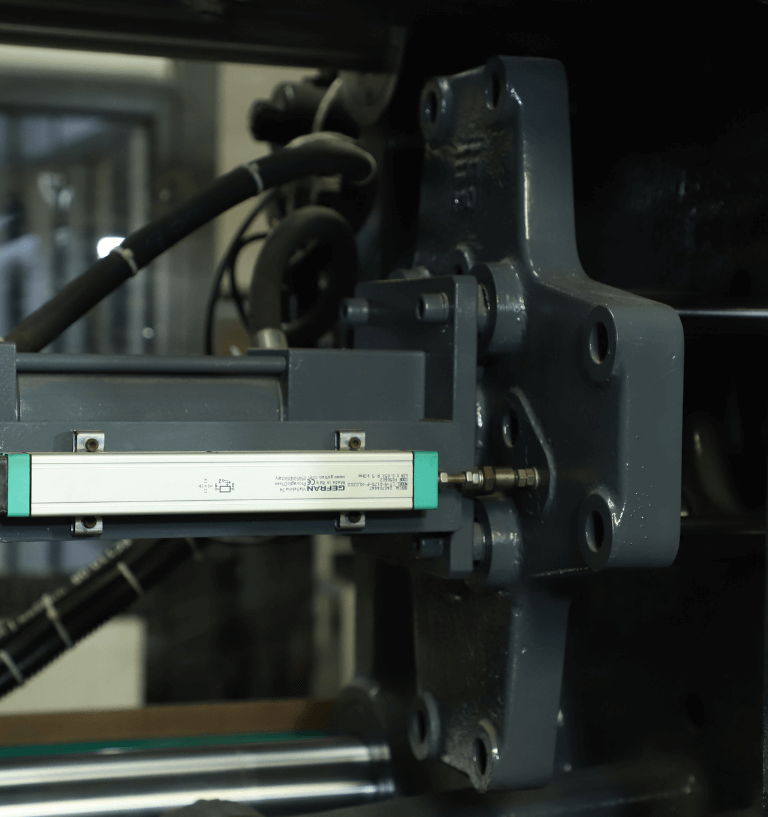
As production demands grow, companies increasingly rely on advanced systems to stay competitive. Innovations such as energy-efficient drives, digital controls, and smart sensors have transformed traditional processes into highly intelligent operations. These features not only improve performance but also enable predictive maintenance, reducing downtime and operational disruptions.
In addition to efficiency, design flexibility plays a crucial role. Engineers can create intricate designs that would be difficult or impossible to achieve with other methods. This opens up opportunities for innovation in product development, allowing brands to introduce unique designs and improved functionality.
With the integration of Industry 4.0 principles, injection molding machines are now equipped with data analytics capabilities. These systems can monitor production parameters in real time, providing valuable insights that help optimize performance and reduce defects. This data-driven approach ensures better decision-making and continuous improvement in manufacturing processes.
Sustainability is another important factor influencing modern production techniques. Manufacturers are increasingly focusing on reducing energy consumption and material waste. Advanced systems are designed to operate efficiently, consuming less power while maintaining high output levels. Additionally, the ability to recycle materials within the process contributes to environmentally responsible manufacturing.
Another noteworthy aspect is the reduction in post-production work. Since components are produced with high accuracy, there is minimal need for secondary operations such as trimming or finishing. This not only saves time but also reduces overall production costs, making the process more economical.
The role of skilled operators and engineers remains essential despite automation. Proper setup, maintenance, and monitoring ensure that the system operates at optimal levels. Training and expertise help maximize the benefits of advanced technology while minimizing potential issues.
In today’s competitive market, businesses are constantly seeking ways to enhance productivity and reduce costs. Investing in modern production systems is one of the most effective strategies to achieve these goals. By leveraging advanced technologies, companies can improve efficiency, maintain quality, and adapt to changing market demands.
Conclusion
Injection-based production systems have become an integral part of modern manufacturing, offering unmatched efficiency, precision, and scalability. From enabling complex designs to supporting high-volume production, their impact is evident across various industries. As technology continues to evolve, these systems will play an even more significant role in shaping the future of industrial production. Companies exploring reliable solutions often consider options like a plastic injection moulding machine from trusted providers such as Esemplast Avinya, ensuring a balance between performance, innovation, and long-term value.