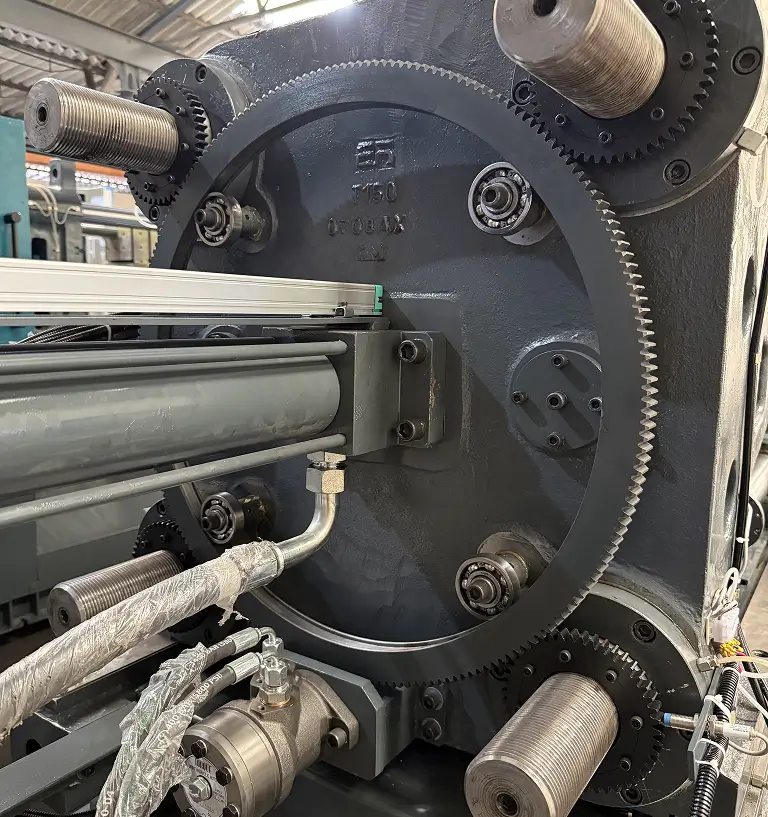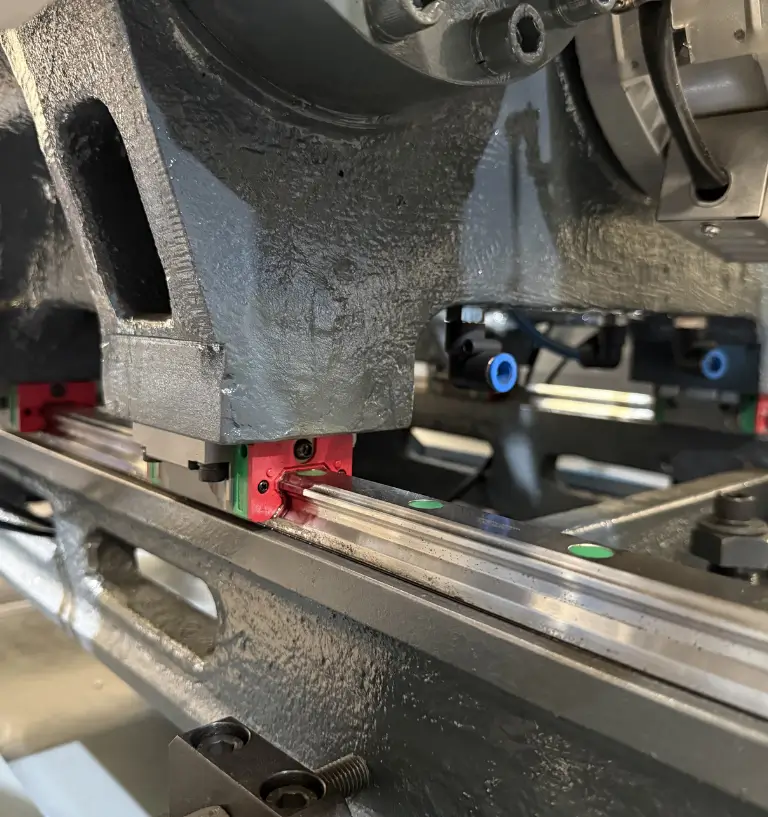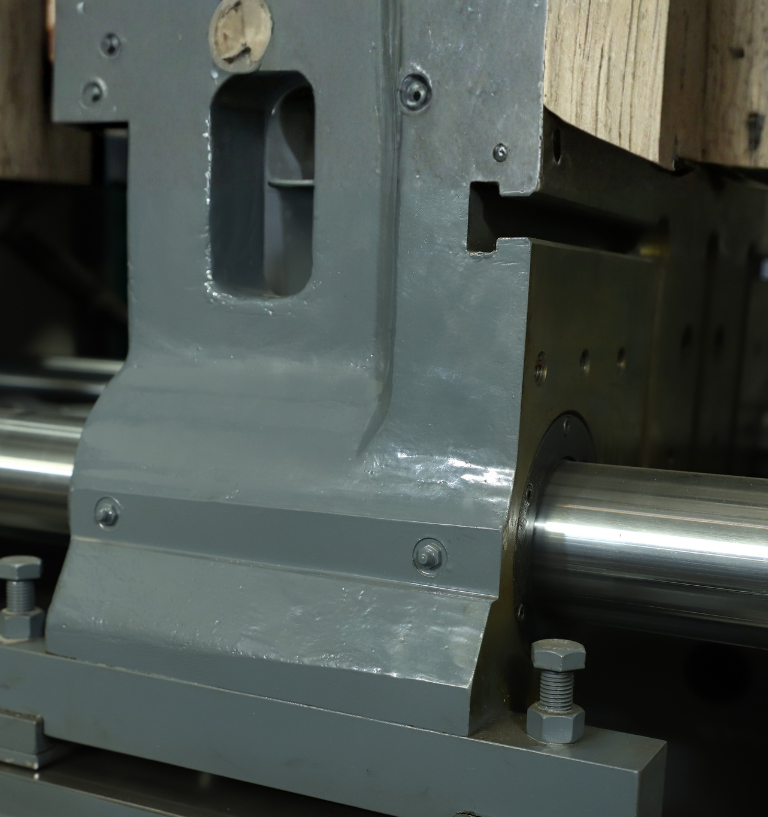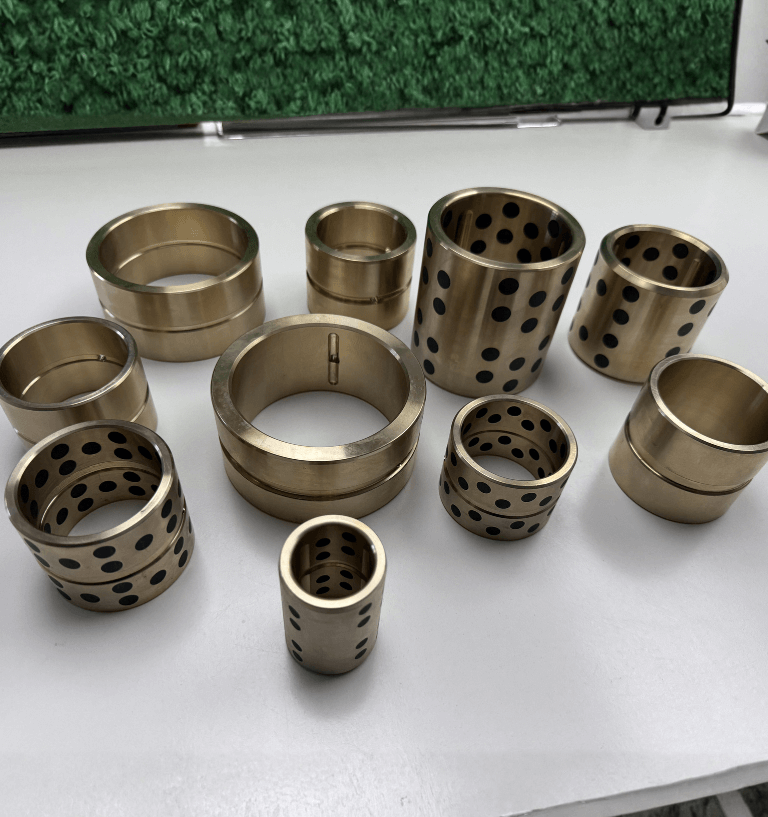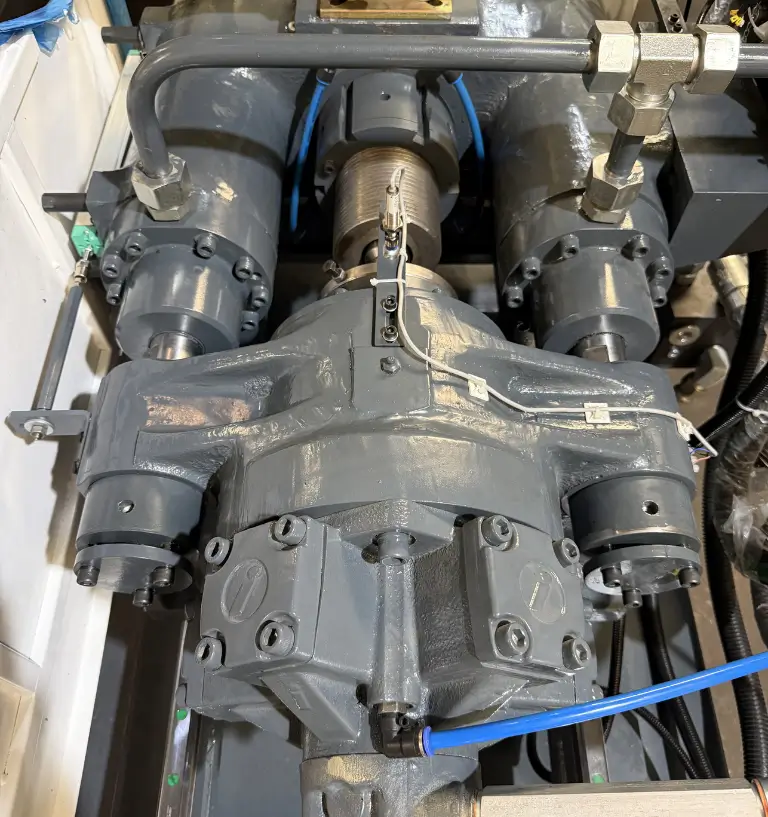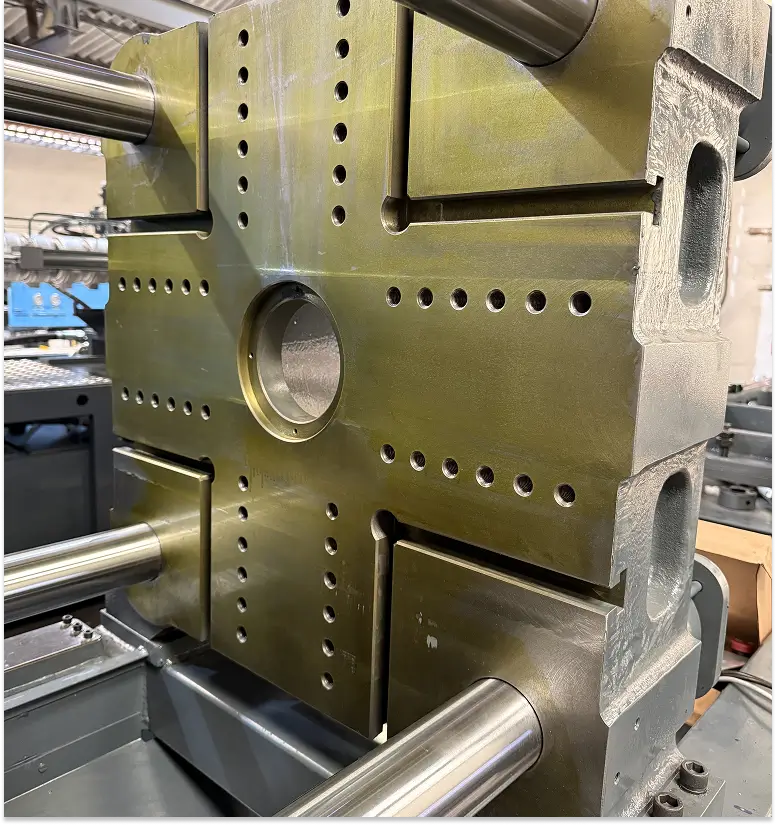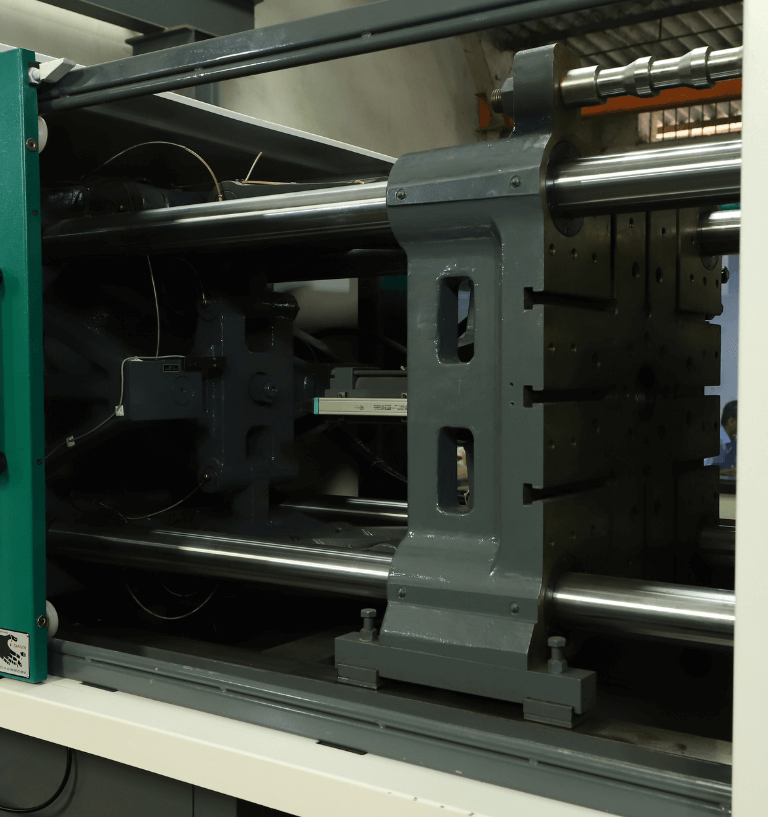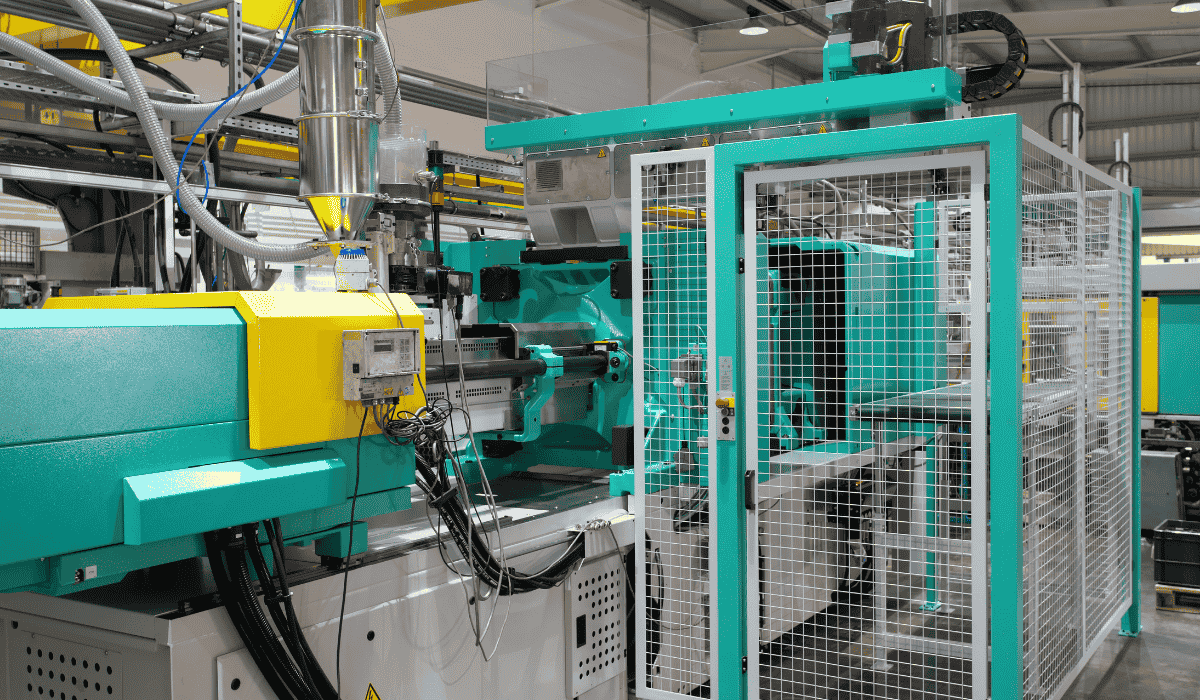
Modern manufacturing demands accuracy measured in microns, repeatability across thousands of cycles, and efficiency that supports large-scale production without compromising quality. In this landscape, plastic injection moulding machine manufacturers in india contribute significantly to the development of advanced equipment capable of delivering complex components with exceptional precision. These systems form the backbone of industries ranging from automotive and medical devices to electronics and consumer goods.
Precision manufacturing relies on controlled melting, high-pressure cavity filling, and consistent cooling processes. Advanced moulding systems integrate automation, digital monitoring, and hydraulic or electric drive mechanisms to achieve reliable, repeatable output. The result is dimensional consistency that meets stringent industrial standards.
Understanding the Technology Behind Precision
At its core, the process involves melting thermoplastic material and injecting it into a carefully engineered mould cavity. Once cooled and solidified, the component is ejected with defined shape and detail. The accuracy of this process depends on several factors, including clamping force, temperature control, and cavity design.
High-performance systems are engineered to provide:
- Uniform temperature distribution
- Controlled material flow
- Stable clamping pressure
- Minimal cycle time variation
Such control ensures that each produced part matches design specifications.
Applications Across Diverse Industries
Precision components are critical in industries where reliability and uniformity cannot be compromised. Automotive dashboards, medical device housings, electronic connectors, and packaging solutions all depend on consistent production.
Modern injection molding machines enable manufacturers to create intricate geometries and lightweight yet durable components. Their ability to process various polymers enhances flexibility in material selection, including engineering-grade resins.
Common application sectors include:
- Automotive assemblies
- Consumer electronics
- Medical equipment components
- Industrial equipment parts
- Packaging solutions
This versatility supports wide-ranging industrial demands.
Enhancing Production Efficiency
Efficiency remains central to competitive manufacturing. Automated feeding systems, robotic part removal, and real-time monitoring reduce manual intervention and minimise downtime.
Advanced systems deliver:
- Faster cycle times
- Reduced material waste
- Improved energy efficiency
- Lower operational costs
Such benefits strengthen production scalability and profitability.
Role in Quality Control
Precision manufacturing requires strict adherence to dimensional tolerances. Modern systems incorporate sensors and data logging tools that monitor parameters such as injection speed, pressure, and cooling duration.
Quality-focused features include:
- Digital process monitoring
- Closed-loop control systems
- Predictive maintenance alerts
- Automated defect detection
These technologies reduce inconsistencies and ensure high-quality output.
Integration of Automation and Smart Technology
Industry 4.0 has transformed manufacturing environments into interconnected ecosystems. Smart moulding systems integrate with enterprise resource planning software and digital dashboards for enhanced transparency.
A technologically advanced plastic injection moulding machine may include:
- Real-time production analytics
- Remote monitoring capabilities
- Energy consumption tracking
- Automated calibration systems
Such integration enhances operational visibility and decision-making efficiency.
Energy Efficiency and Sustainability
Modern production equipment emphasises reduced energy consumption and minimal environmental impact. Electric and hybrid drive systems consume less power compared to traditional hydraulic models.
Energy-conscious features include:
- Servo-driven motors
- Heat recovery systems
- Optimised cooling channels
- Reduced material wastage
Sustainable production supports regulatory compliance and environmental responsibility.
Design Flexibility and Material Innovation
The ability to process diverse thermoplastics, including reinforced and high-performance polymers, expands design possibilities. Lightweight composites and engineering resins enable stronger, more durable components.
Material adaptability supports:
- Complex structural designs
- Thin-wall moulding
- Multi-component integration
- Improved surface finish quality
Flexibility ensures that manufacturers can respond to evolving market demands.
Reducing Production Errors
Advanced moulding systems minimise variability through automated controls and consistent process parameters. Reduced human intervention decreases the likelihood of errors.
Error-reduction advantages include:
- Stable temperature management
- Precise injection pressure control
- Consistent mould alignment
- Improved repeatability across batches
Such reliability ensures predictable production outcomes.
Supporting High-Volume Manufacturing
Large-scale production demands consistency across extended cycles. Robust mechanical construction and advanced control systems maintain performance stability even during prolonged operation.
High-volume advantages include:
- Continuous output capability
- Minimal downtime
- Reduced maintenance interruptions
- Consistent part quality
This capability supports industries with high demand and strict deadlines.
Conclusion
Precision manufacturing depends on advanced equipment capable of delivering consistent, high-quality components at scale. From automotive assemblies to medical devices, modern moulding systems ensure dimensional accuracy, efficiency, and material adaptability. Integration of automation, digital monitoring, and energy-efficient technologies further strengthens industrial performance.
For organisations seeking reliable expertise among plastic injection moulding machine manufacturers, Esemplast Avinya contributes to precision-driven production solutions aligned with modern manufacturing standards. Investing in advanced moulding technology ensures long-term operational excellence and competitive advantage.