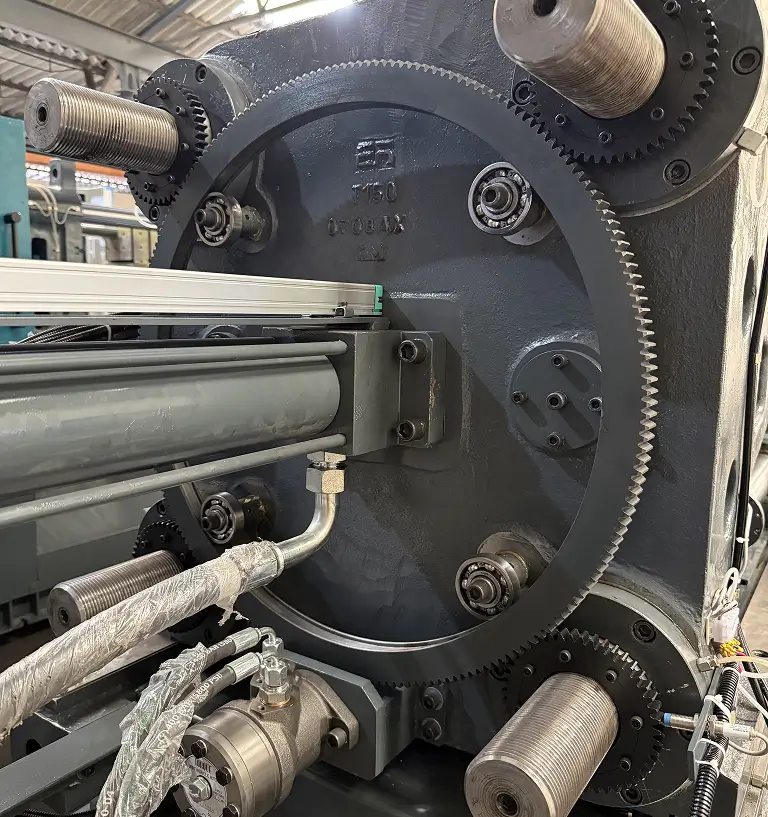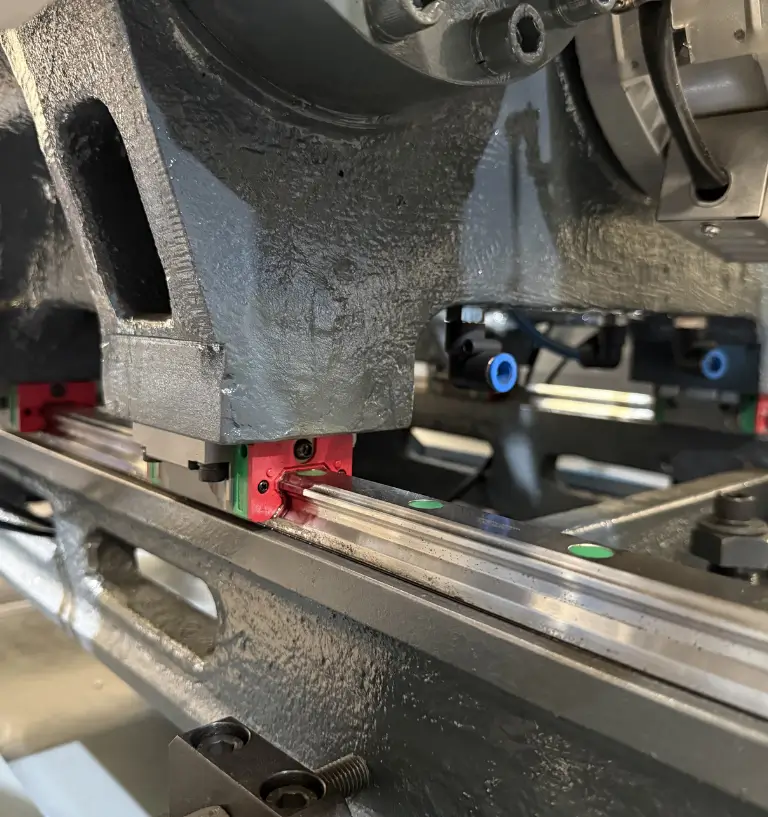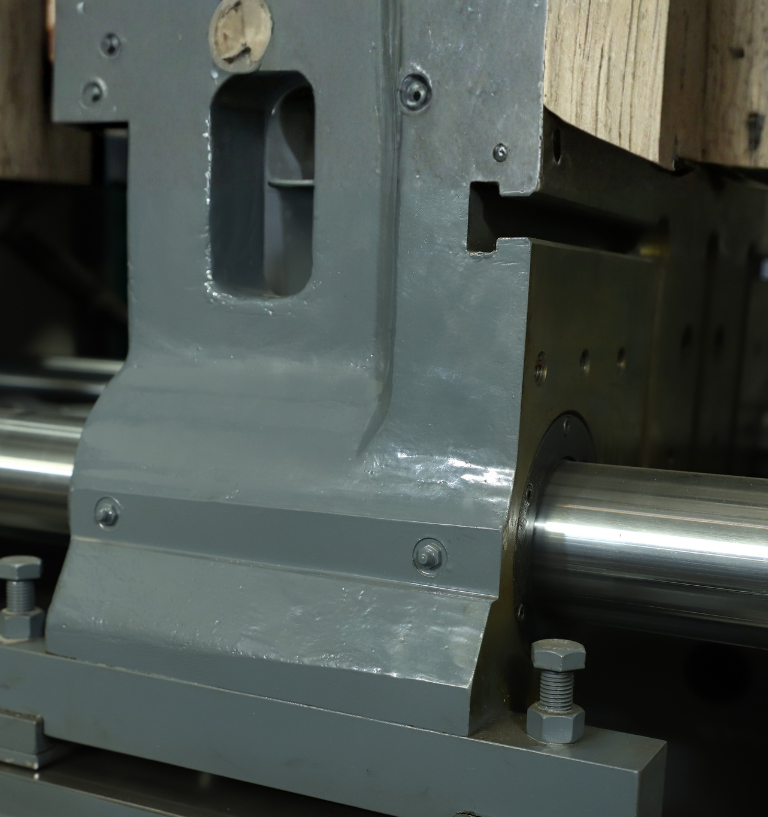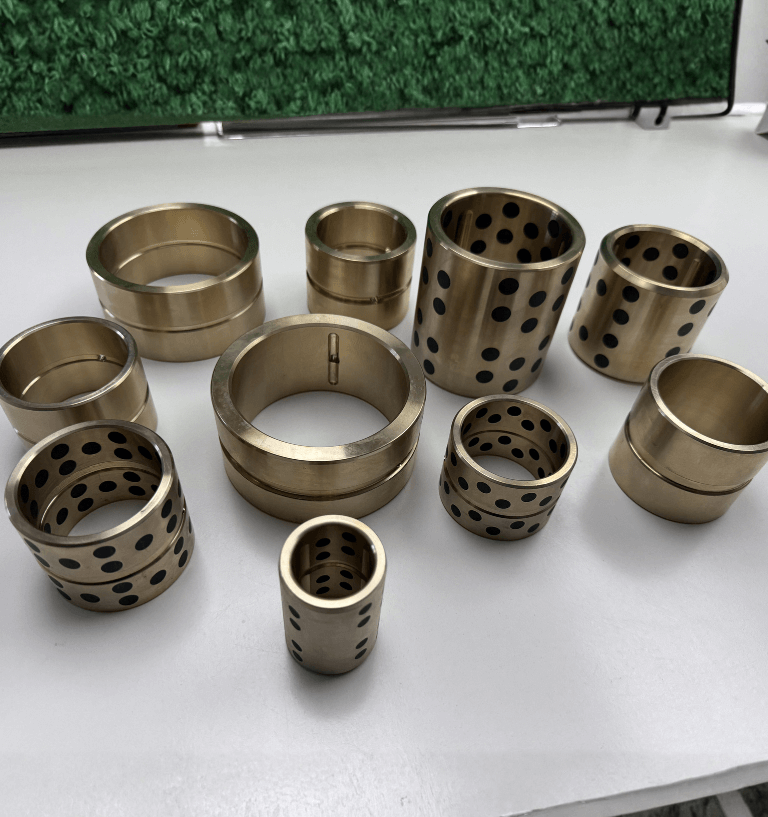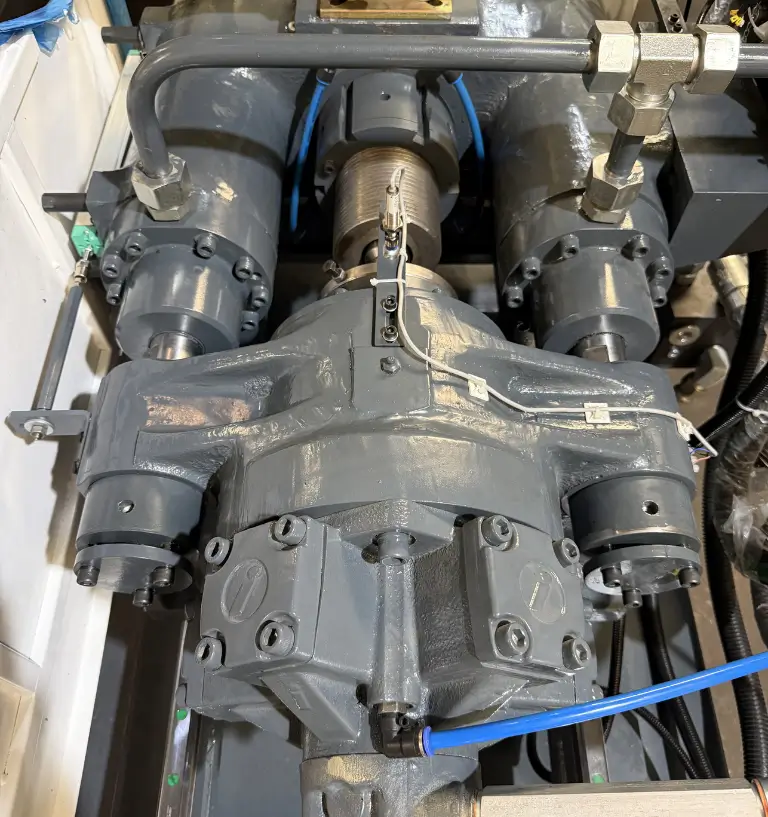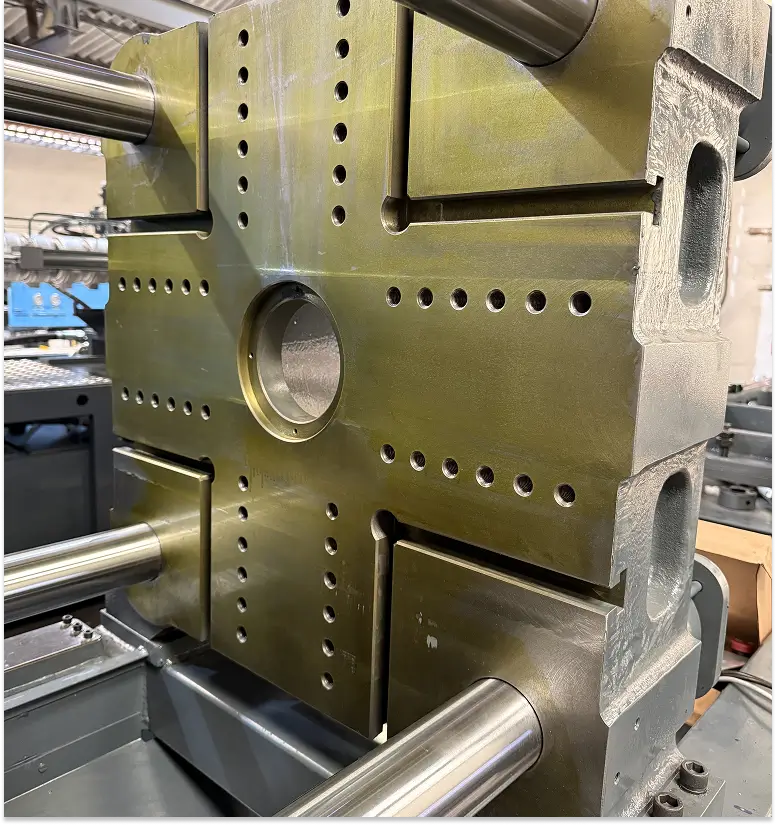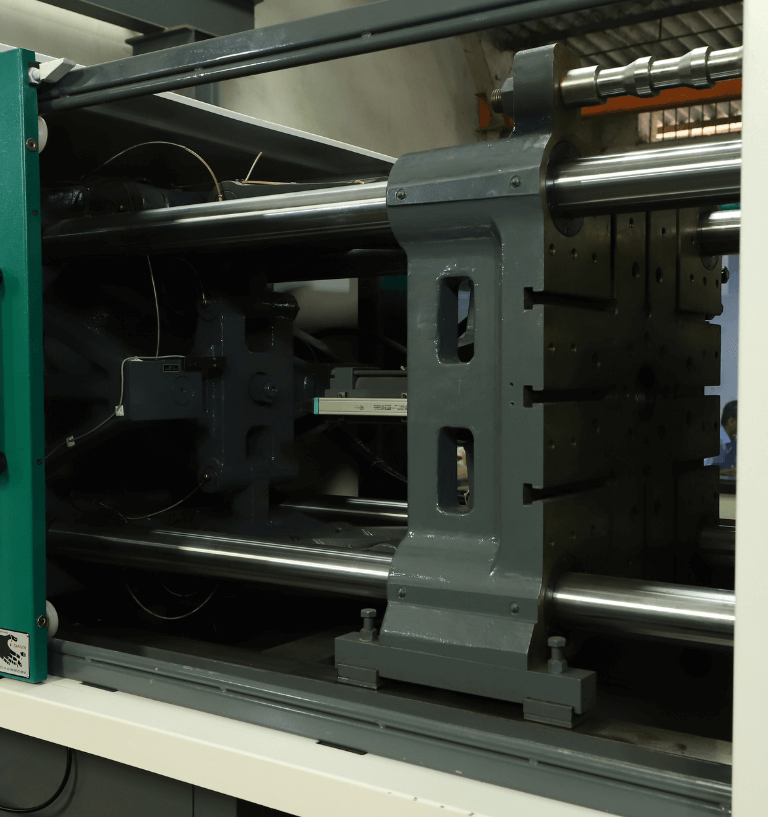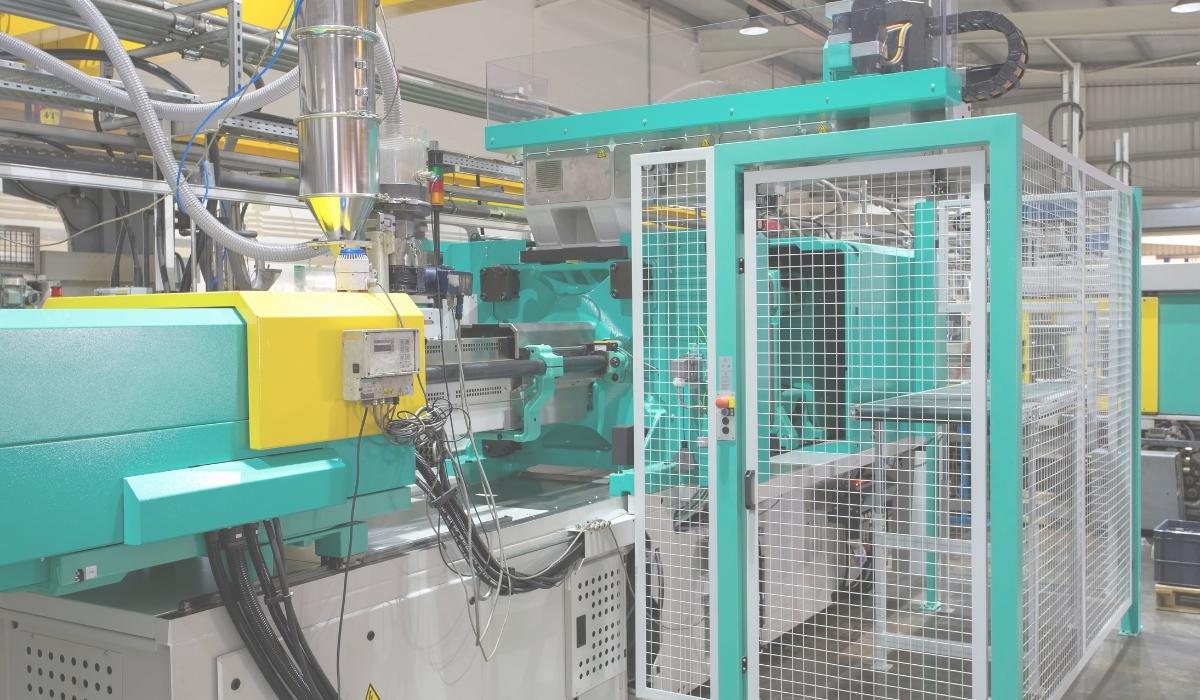
Packaging today is driven by precision, efficiency, and consistency. From beverages and personal care products to pharmaceuticals and household goods, containers must meet strict standards for strength, safety, and appearance. Behind these everyday items lies a highly controlled manufacturing process that transforms raw material into uniform, reliable forms. At the centre of this transformation is the pet injection moulding machine, a system that enables large-scale production while maintaining dimensional accuracy and material integrity across millions of units.
The Role of Precision in Contemporary Packaging
Modern packaging must perform multiple functions simultaneously. It protects contents, supports branding, enables efficient transport, and complies with regulatory requirements. Achieving this balance demands a production method capable of delivering repeatable results with minimal variation.
Injection-based forming systems address this need by producing preforms with exact wall thickness, neck finish accuracy, and structural consistency. These characteristics are essential for downstream processes such as stretch blow forming, where even minor deviations can affect final container quality.
Understanding the Production Workflow
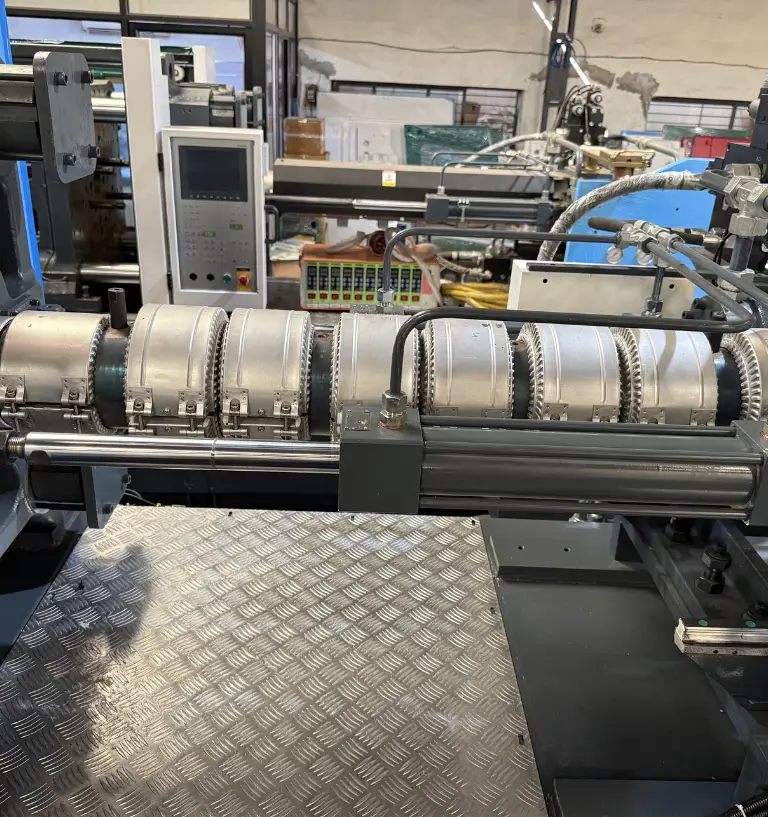
The manufacturing workflow begins with material preparation. Granules are dried to precise moisture levels to prevent defects, then introduced into a heated barrel where controlled melting occurs. The molten material is injected into a mould cavity under carefully regulated conditions.
Cooling and solidification follow a predictable pattern, ensuring that each unit retains its intended shape. Once ejected, preforms are ready for further processing or storage, depending on production requirements.
Consistency Through Controlled Parameters
Consistency is achieved through precise control of temperature, pressure, and cycle time. Advanced control systems monitor these variables continuously, adjusting in real time to maintain stability.
This level of control reduces scrap rates and ensures uniformity across production runs. For industries where packaging compatibility is critical, such reliability is not optional—it is foundational.
Supporting High-Volume Manufacturing
Scalability is a defining advantage of this production approach. Equipment is designed to operate continuously, producing thousands of units per hour without compromising quality.
High cavitation tooling allows multiple components to be formed simultaneously, maximising output while maintaining precision. This efficiency supports large-scale supply chains where demand is constant and timelines are tight.
Material Efficiency and Waste Reduction
Resource efficiency has become a central consideration in packaging manufacture. Controlled forming processes minimise material waste by ensuring accurate distribution within each mould cavity.
Rejected units are reduced through process stability, while excess material can often be reprocessed. This efficiency contributes to lower operating costs and more responsible resource use.
Design Flexibility and Customisation
Packaging design evolves rapidly in response to branding trends and functional requirements. Injection-based systems support this evolution by allowing quick tooling changes and precise adaptation to new specifications.
Thread profiles, neck dimensions, and wall geometry can be modified without altering the fundamental production process. This flexibility allows manufacturers to respond quickly to market shifts.
Structural Integrity and Performance
Packaging must withstand filling, transport, and consumer use without failure. Structural integrity is influenced by material distribution and molecular orientation, both of which are controlled during the forming stage.
Uniform wall thickness and accurate neck finishes ensure compatibility with closures and filling lines. These characteristics reduce leakage risk and enhance overall performance.
Integration With Automated Lines
Modern production environments rely heavily on automation. Forming systems integrate seamlessly with robotic handling, inspection units, and downstream forming equipment.
This integration supports continuous flow, reducing manual intervention and associated variability. Automation also enhances workplace safety by limiting operator exposure to high-temperature processes.
Quality Assurance Through Monitoring
Quality control is embedded within the production cycle rather than applied as an afterthought. Sensors and inspection systems detect deviations early, allowing corrective action before defects propagate.
Dimensional checks, weight verification, and visual inspection ensure that each unit meets predefined criteria. This proactive approach strengthens overall quality assurance frameworks.
Energy Management and Operational Efficiency
Energy consumption is a significant operational factor. Modern systems are designed to optimise heating, cooling, and motion control, reducing overall energy demand.
Efficient thermal management shortens cycle times and stabilises production, contributing to both economic and environmental performance.
Applications Across Diverse Industries
The versatility of injection-based forming extends across multiple sectors. Beverage packaging benefits from lightweight yet strong containers, while pharmaceutical applications demand precision and hygiene.
Personal care and household products rely on consistent aesthetics and functional closures. In each case, production accuracy supports product integrity and brand trust.
Supporting Sustainability Goals
Sustainability considerations increasingly influence packaging decisions. Efficient material use, recyclability, and reduced waste align with broader environmental objectives.
By producing consistent preforms that perform reliably during subsequent processing, these systems contribute to lower rejection rates and more efficient recycling streams.
Maintenance and Long-Term Reliability
Long-term performance depends on maintenance practices and equipment design. Robust construction, accessible components, and predictive maintenance tools support extended service life.
Regular calibration and monitoring preserve accuracy, ensuring that production quality remains stable over time.
Global Standards and Compliance
Packaging manufacture operates within global regulatory frameworks. Equipment must support compliance with safety, hygiene, and material standards across different markets.
Precision forming processes facilitate this compliance by delivering predictable, verifiable results that meet documented specifications.
Driving Innovation in Packaging Design
As packaging requirements evolve, forming technology continues to advance. Improved control systems, faster cycles, and enhanced tooling options expand design possibilities.
Innovation in this space supports lighter containers, improved performance, and reduced environmental impact without sacrificing reliability.
Conclusion
Modern packaging depends on processes that deliver precision, efficiency, and adaptability at scale. Injection-based forming systems underpin this capability by producing consistent components that support downstream shaping, filling, and distribution. Their role extends beyond manufacturing into quality assurance, sustainability, and design innovation. Within this evolving landscape, pet injection moulding machine manufacturers such as Esemplast Avinya contribute to the technological foundation that enables reliable, high-performance packaging across global markets.