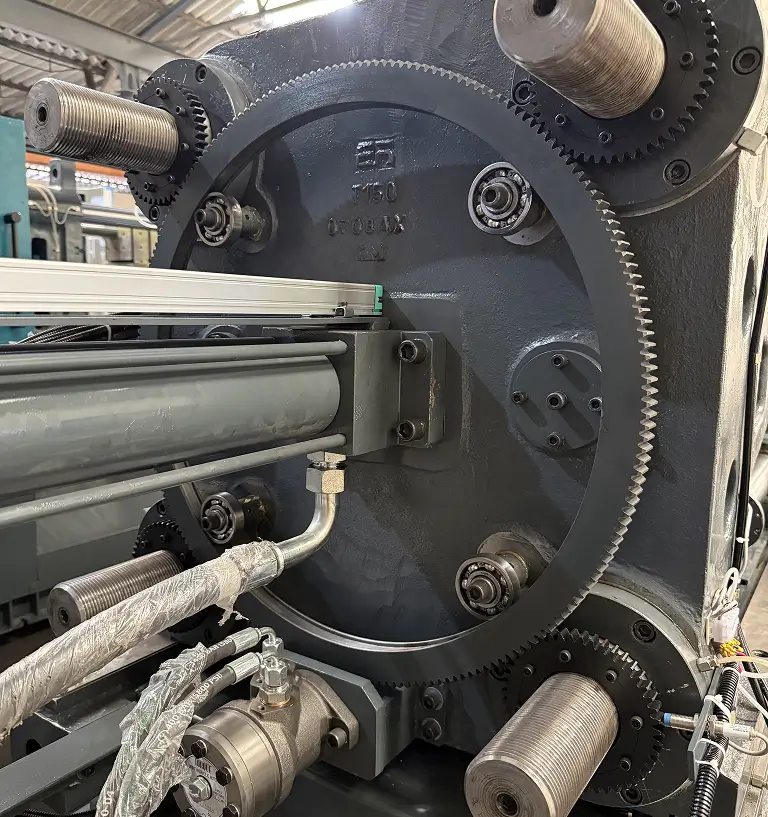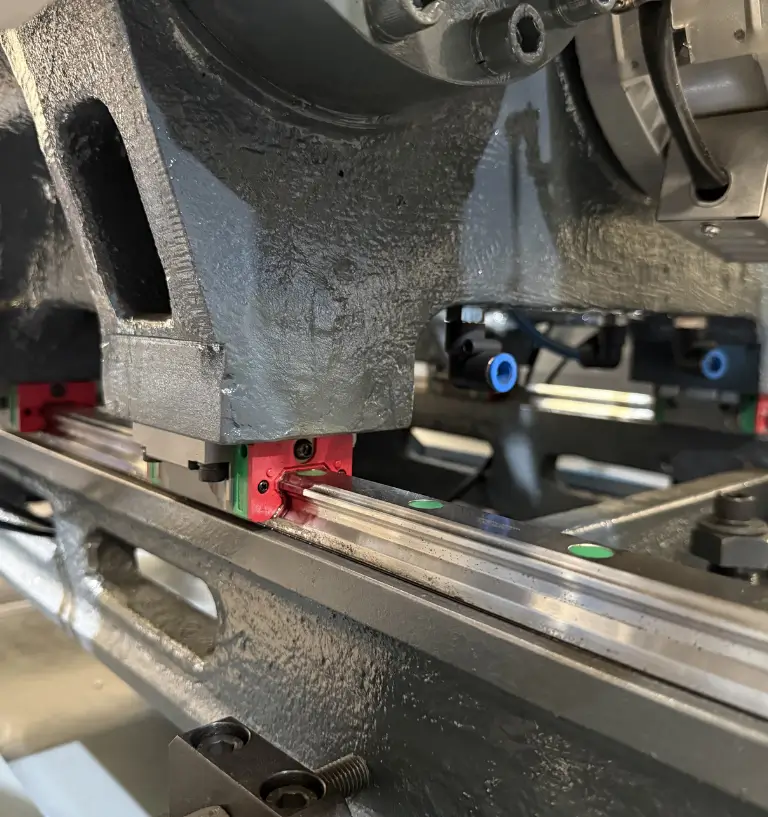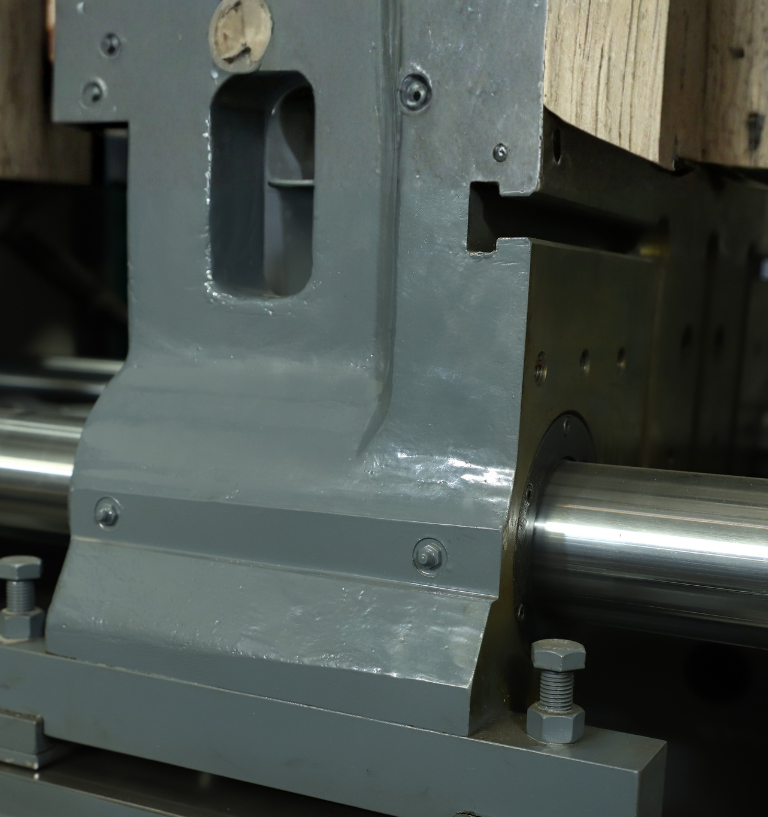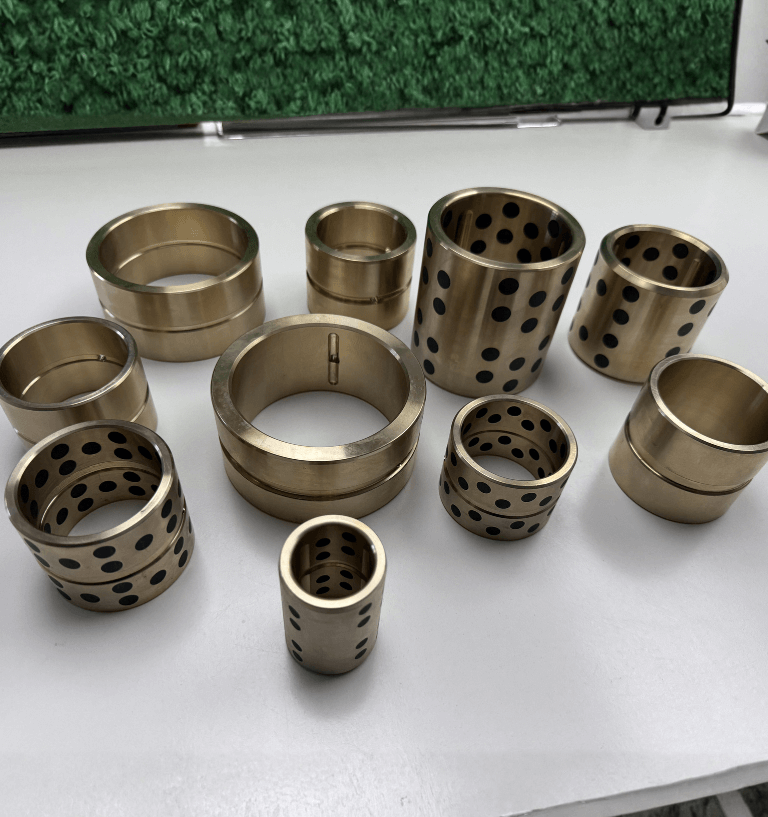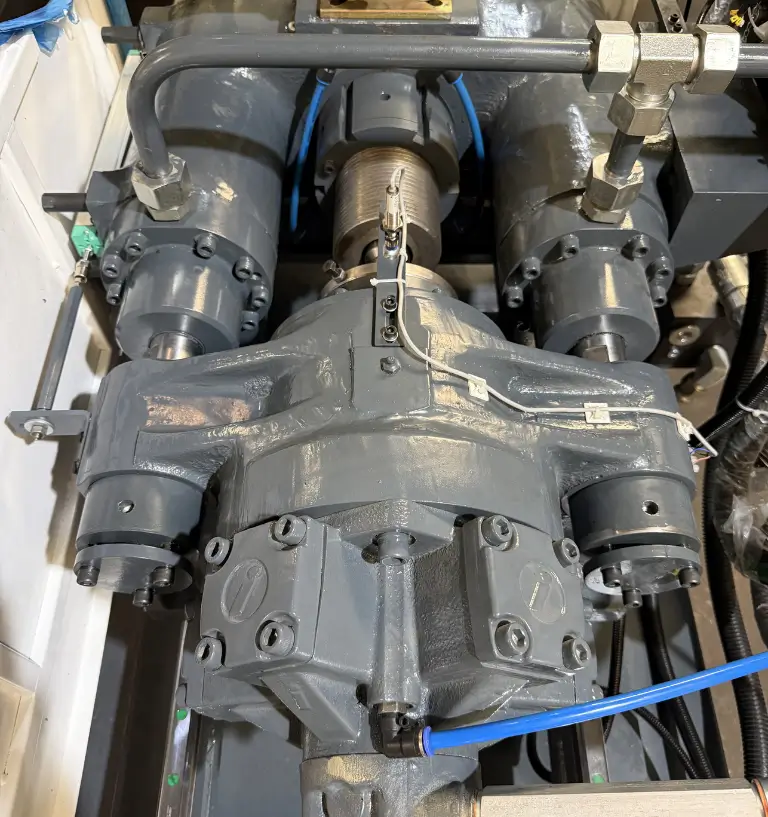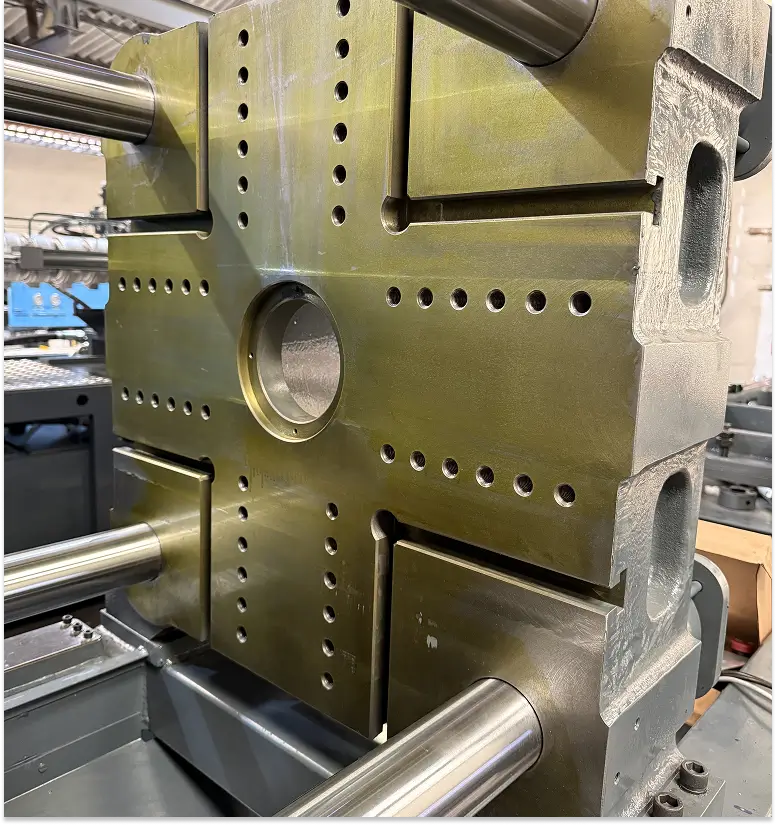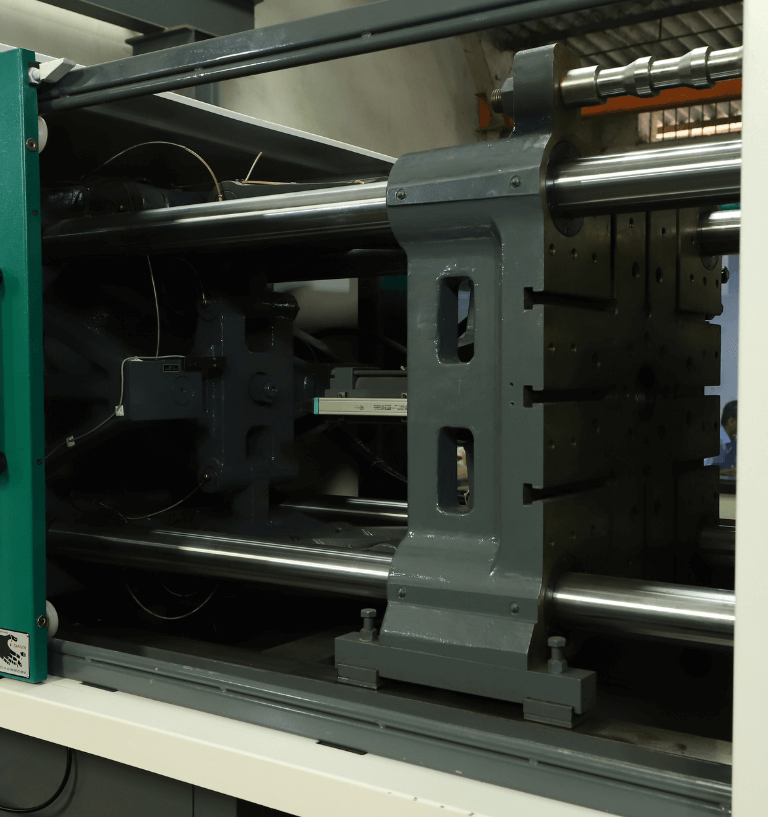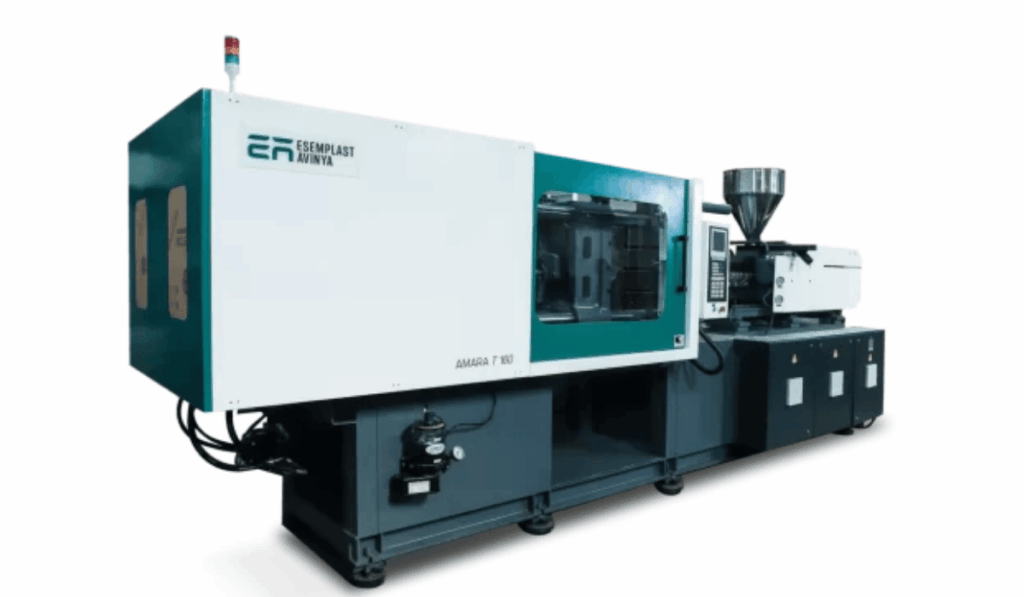
Manufacturing efficiency today is defined by precision, repeatability and the ability to scale without introducing variability. As production environments become more demanding, technologies that reduce waste while maintaining consistency are no longer optional. Among the systems shaping modern factories, injection molding machines play a central role by transforming raw materials into high-accuracy components through controlled, repeatable processes.
Efficiency in manufacturing is not simply about speed. It is about achieving reliable output with minimal downtime, predictable quality and optimal resource use. Injection-based forming systems align closely with these objectives, offering a production method where control and consistency work together rather than compete.
Understanding the Injection Molding Process
Injection molding is a manufacturing method where material is heated, liquefied and introduced into a closed mould under pressure. Once cooled, the formed component retains its shape with high dimensional accuracy.
This approach allows manufacturers to produce complex parts in large volumes while maintaining uniformity across batches. The closed-loop nature of the process limits external variation, which is critical for efficiency-focused operations.
Why Process Control Matters
Efficiency is closely tied to control. When variables such as temperature, pressure and cycle time are managed precisely, output becomes predictable. Injection-based systems are designed to maintain these parameters within narrow tolerances.
This level of control reduces defects, lowers scrap rates and ensures consistent performance throughout extended production runs.
Consistency Across High-Volume Production
High-volume manufacturing often introduces variability due to wear, manual handling or environmental factors. Injection-based systems counter this by automating critical stages of production.
Automation reduces dependency on operator intervention, ensuring that each cycle mirrors the previous one as closely as possible.
Material Optimisation and Reduced Waste
How Injection Systems Support Resource Efficiency
- Accurate material dosing
- Minimal excess material generation
- Reduced rework requirements
- Lower defect-related disposal
- Predictable material behaviour
- Improved yield per batch
Faster Cycle Times Without Compromise
Cycle time directly impacts output capacity. Injection systems are engineered to optimise heating, filling, cooling and ejection stages without sacrificing quality.
Shorter cycles translate into higher throughput, allowing manufacturers to meet demand without expanding physical infrastructure.
Supporting Complex Component Design
Modern product design often demands intricate geometries that are difficult to achieve through traditional forming methods. Injection-based processes accommodate complexity without adding proportional labour or time.
This capability supports innovation while maintaining production efficiency.
Automation and Labour Efficiency
Automation reduces repetitive manual tasks, allowing skilled personnel to focus on oversight rather than intervention. This shift improves labour utilisation and reduces fatigue-related errors.
Automated processes also enhance workplace safety by limiting direct interaction with high-temperature or high-pressure systems.
Integration With Smart Manufacturing
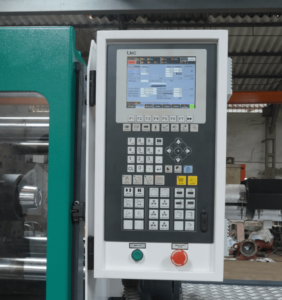
Injection systems integrate seamlessly with digital monitoring and control platforms. Sensors track performance metrics in real time, enabling proactive maintenance and immediate adjustments.
This integration supports data-driven decision-making, a cornerstone of modern efficient manufacturing.
Reliability Through Repeatable Operation
Repeatability is essential for efficiency. Systems designed for injection-based forming deliver consistent output over extended periods, reducing the need for frequent recalibration.
Reliable operation minimises downtime, one of the most significant barriers to efficient production.
Scalability Without Process Disruption
Scaling production often introduces inefficiencies. Injection-based systems scale more smoothly, as increased output relies on cycle optimisation rather than fundamental process changes.
This scalability allows manufacturers to respond to demand fluctuations without compromising quality.
The Role of Equipment Design
Well-engineered systems prioritise durability, accessibility and ease of maintenance. These design considerations reduce service time and extend operational lifespan.
Efficient maintenance supports uninterrupted production schedules and predictable performance.
Impact on Downstream Processes
Consistent output simplifies downstream operations such as assembly, finishing and quality inspection. When components arrive within tight tolerances, subsequent stages require fewer adjustments.
This alignment across processes amplifies overall efficiency.
Reducing Variability Across Shifts
Human factors often introduce variability between shifts. Automated injection systems maintain consistent parameters regardless of operator changes.
This consistency supports stable output across extended production schedules.
Industry Adoption and Standardisation
As industries seek uniformity and predictability, injection-based processes have become standard in many sectors. This standardisation supports compatibility with global supply chains.
Suppliers aligned with standard processes integrate more easily into diverse manufacturing ecosystems.
Supporting Sustainable Manufacturing Goals
Efficiency and sustainability are increasingly linked. Reduced waste, optimised material use and energy-efficient operation support environmental objectives alongside cost control.
Injection-based systems align with these priorities by design.
Technology Evolution and Adaptability
Injection systems continue to evolve, incorporating smarter controls and improved energy management. This adaptability ensures long-term relevance in changing manufacturing landscapes.
Future-ready equipment protects investment and supports continuous improvement.
Evaluating Equipment Partners
Selecting the right technology partner influences efficiency outcomes. Manufacturers often assess experience, technical support and system adaptability when evaluating injection moulding machine manufacturers.
These considerations ensure that equipment aligns with both current needs and future expansion plans.
Regional Manufacturing Strength
Manufacturing hubs play a role in technology adoption and support. The presence of injection moulding machine manufacturers in Ahmedabad reflects regional expertise and infrastructure that supports efficient industrial operations.
Localised support often improves response times and service continuity.
Training and Operational Stability
Efficient systems are supported by effective training. Intuitive interfaces and clear operational workflows reduce learning curves and minimise misuse.
Operational stability emerges when technology and training align.
Quality Assurance as an Efficiency Driver
Quality issues disrupt efficiency. Injection-based processes support consistent quality, reducing inspection time and rework.
Predictable output strengthens confidence across the supply chain.
Long-Term Cost Efficiency
While initial investment matters, long-term efficiency determines value. Reduced waste, lower labour intensity and stable output contribute to favourable lifecycle economics.
Efficiency gains compound over time.
Preparing for Competitive Markets
Manufacturers competing in global markets require efficiency to remain viable. Injection-based systems support competitive pricing without sacrificing quality.
This balance strengthens market positioning.
Final Perspective
Manufacturing efficiency depends on systems that combine control, consistency and adaptability. Injection-based forming technologies deliver these qualities by reducing variability, optimising resources and supporting scalable production. As industries continue to prioritise precision and reliability, collaboration with experienced injection moulding machine manufacturers in india becomes increasingly important. At Esemplast Avinya, this focus reflects an understanding that true efficiency is achieved not through speed alone, but through well-engineered processes that perform consistently across time, volume and application.